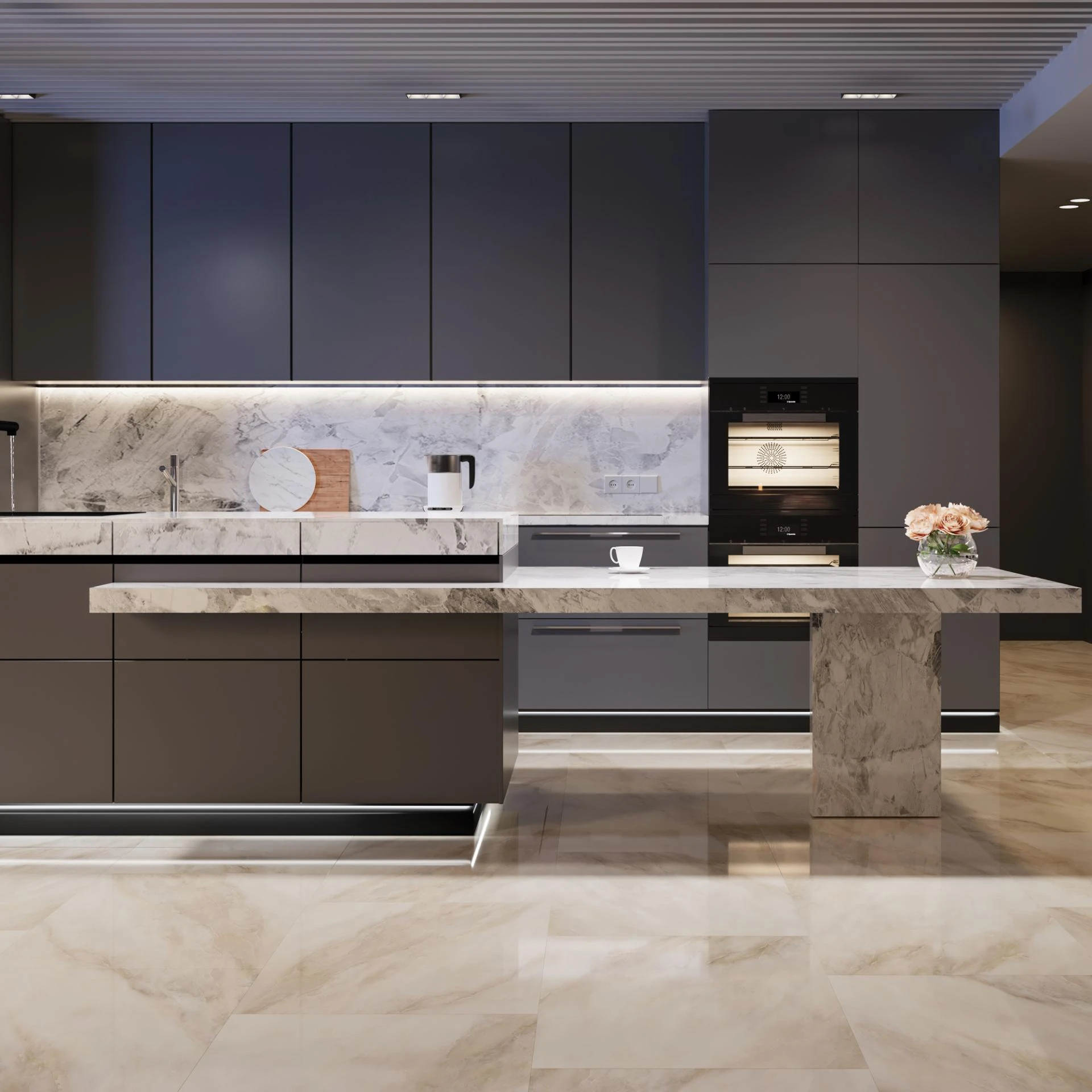
Introduction: The Essential Role of Kitchen Door Hardware
When it comes to kitchen design, small details can make a big difference. Kitchen door knobs and kitchen door hinges are often overlooked, but they play a vital role in both the functionality and aesthetic of your kitchen. Whether you’re remodeling or simply upgrading your existing hardware, the right knobs and hinges can elevate the look of your cabinets and improve ease of use.
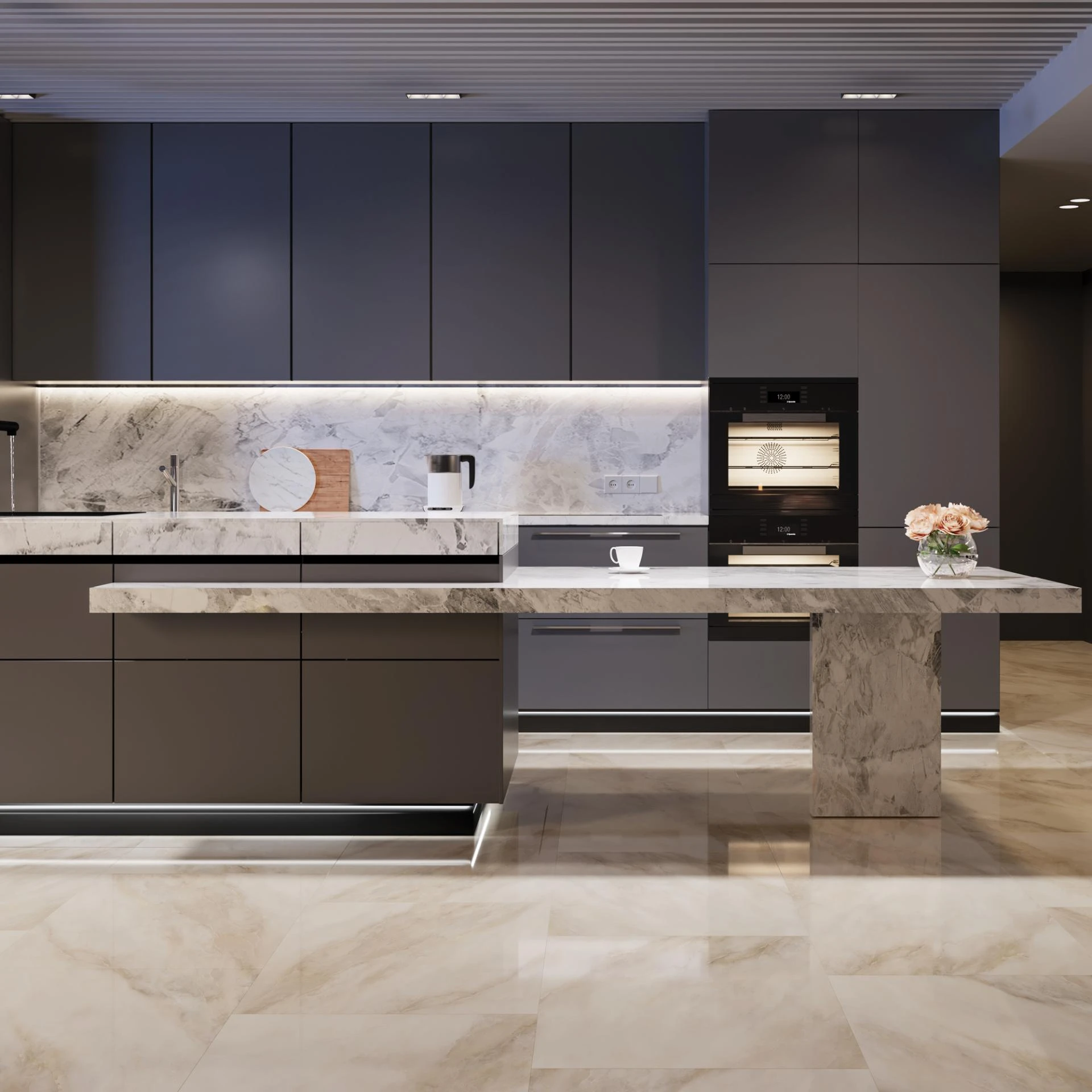
In this guide, we’ll cover everything you need to know about selecting and installing kitchen door knobs and kitchen door hinges, ensuring your kitchen is both stylish and functional.
Why the Right Kitchen Door Knobs & Hinges Matter
Enhancing Kitchen Aesthetics
The hardware you choose for your kitchen doors can significantly impact the overall look of the space. Kitchen door knobs come in various styles, materials, and finishes, allowing you to complement your kitchen’s design, whether it’s modern, rustic, traditional, or contemporary. A well-chosen knob can serve as an accent piece, adding character and charm to your cabinets.
Improving Functionality
Apart from aesthetics, the kitchen door hinges and knobs also serve practical purposes. Hinges ensure smooth operation, while knobs make opening and closing your cabinets easy and convenient. A high-quality hinge ensures that doors open and close properly, while ergonomic knobs prevent strain on your hands.
Types of Kitchen Door Knobs
Selecting the right kitchen door knobs depends on your style preferences and functional needs. Here’s an overview of some popular options:
1. Traditional Knobs
These are simple, timeless, and versatile. Made from materials like wood, glass, or metal, traditional knobs are perfect for classic or farmhouse-style kitchens.
2. Modern Knobs
Sleek, streamlined, and minimalistic, modern kitchen door knobs often feature materials like stainless steel, brushed nickel, or matte black finishes. These are ideal for contemporary kitchens.
3. Glass & Crystal Knobs
If you’re looking to add a touch of elegance, glass or crystal kitchen door knobs can enhance the look of your cabinets. These knobs are often seen in more refined or vintage-inspired designs.
4. Cup Pulls
While technically not a knob, cup pulls are a popular alternative for kitchen drawers. They offer a classic look and are typically more ergonomic for opening larger cabinet doors.
5. Ergonomic Knobs
If you’re looking for practicality, ergonomic knobs with rounded or textured surfaces provide a better grip and can be more comfortable to use, especially for those with limited hand strength.
Types of Kitchen Door Hinges
Kitchen door hinges are just as important as the knobs when it comes to functionality. Here are some popular types:
1. Concealed Hinges (European Hinges)
These hinges are hidden inside the cabinet, offering a sleek and clean look. They are ideal for modern and contemporary kitchens, as they are virtually invisible when the cabinet doors are closed.
2. Butt Hinges
One of the most common types, butt hinges are used in traditional kitchens and are visible when the cabinet door is closed. These hinges come in various finishes like brass, bronze, or stainless steel.
3. Pivot Hinges
Pivot hinges allow the door to rotate open, which is perfect for spaces where you need to save space, like small kitchens with tight cabinet placements.
4. Continuous Hinges (Piano Hinges)
Continuous hinges, also known as piano hinges, run the entire length of the cabinet door. These provide extra durability and are great for larger, heavier cabinet doors.
How to Choose the Right Kitchen Door Knobs & Hinges
Consider Your Kitchen's Style
The first step in selecting the right kitchen door knobs and kitchen door hinges is considering the style of your kitchen. Choose knobs and hinges that match the overall design theme. If you have a modern kitchen, go for sleek and minimalistic knobs. For a traditional kitchen, opt for classic designs.
Focus on Functionality
Besides the appearance, ensure that the knobs and hinges are functional. Choose ergonomic knobs for easy use, and pick hinges that allow smooth opening and closing of your doors. Make sure the hinges can support the weight of your cabinet doors, especially if they are larger or heavier.
Material Matters
Kitchen door knobs and kitchen door hinges come in various materials, each offering different levels of durability and aesthetics. Stainless steel and brass are the most common materials for both knobs and hinges due to their durability and timeless appeal. If you want a unique touch, consider vintage-style knobs made from glass, ceramic, or crystal.
How to Install Kitchen Door Knobs & Hinges
Installing kitchen door knobs and kitchen door hinges is a relatively straightforward DIY project. Here’s how to do it:
Installing Kitchen Door Knobs
- Mark the Placement: Use a pencil and measuring tape to mark where the knob should go on your door. Generally, knobs are placed 2.5 to 3 inches from the edge of the door.
- Drill Pilot Holes: Using a drill and appropriate drill bit, create pilot holes where you marked the placement.
- Attach the Knob: Screw the knob into place using the screws that come with the knob set.
Installing Kitchen Door Hinges
- Mark the Hinge Placement: Hold the hinge in place on the door and mark where the screws will go. For cabinet doors, hinges are typically placed 1-2 inches from the top and bottom of the door.
- Drill Holes for Screws: Drill small pilot holes where you marked the hinge placement.
- Attach the Hinges: Use screws to attach the hinge to both the door and the cabinet frame. Make sure the hinges are aligned before tightening the screws.
Conclusion: Elevate Your Kitchen with the Right Hardware
Choosing the right kitchen door knobs and kitchen door hinges can transform the functionality and aesthetic of your kitchen. Whether you’re renovating or just upgrading, consider the style, material, and functionality of your hardware. Proper installation ensures your cabinets operate smoothly and look great for years to come.
Invest in high-quality, durable hardware that aligns with your kitchen’s design, and you’ll create a space that’s both beautiful and functional.
FAQs: Your Kitchen Hardware Questions Answered
1. What size kitchen door knob should I choose?
Choose a knob that is proportional to your cabinet doors. Smaller knobs are better for smaller cabinets, while larger, more ornate knobs suit bigger doors. Standard sizes range from 1.5 to 2.5 inches in diameter.
2. How do I know which kitchen door hinges to use?
The choice of hinge depends on your cabinet door size and style. For modern kitchens, concealed hinges are ideal, while traditional kitchens may benefit from butt hinges. Larger doors might require continuous hinges for extra durability.
3. Can I replace my kitchen door knobs and hinges myself?
Yes, replacing kitchen door knobs and kitchen door hinges is a simple DIY project that can be done with basic tools. Just make sure to measure properly and use the right screws.
4. How can I make my kitchen door hardware last longer?
To prolong the life of your kitchen door knobs and kitchen door hinges, clean them regularly with a mild detergent and dry them thoroughly to prevent rust. Also, periodically check for loose screws or misalignments and tighten them when needed.
5. What’s the best material for kitchen door knobs and hinges?
Stainless steel, brass, and bronze are popular materials for kitchen door knobs and kitchen door hinges due to their durability and timeless look. Choose a material that complements your kitchen’s style and offers long-lasting performance.
6. How do I choose the right finish for my kitchen door hardware?
Select a finish that matches or complements your kitchen’s color scheme and overall style. Popular finishes include polished chrome, matte black, brushed nickel, and antique brass.