

Your kidneys are vital organs that quietly perform essential functions every day—filtering waste, balancing fluids, regulating blood pressure, and maintaining overall body chemistry. Despite their importance, kidney problems often go unnoticed until they become serious. This is where a kidney function test plays a crucial role.
A kidney function test is a set of simple blood and urine tests that help determine how well your kidneys are working. These tests are commonly recommended during routine health checkups or when symptoms suggest a possible kidney issue.
In this comprehensive guide, we’ll explore everything you need to know about kidney function tests, including types, procedures, normal ranges, and why they matter.
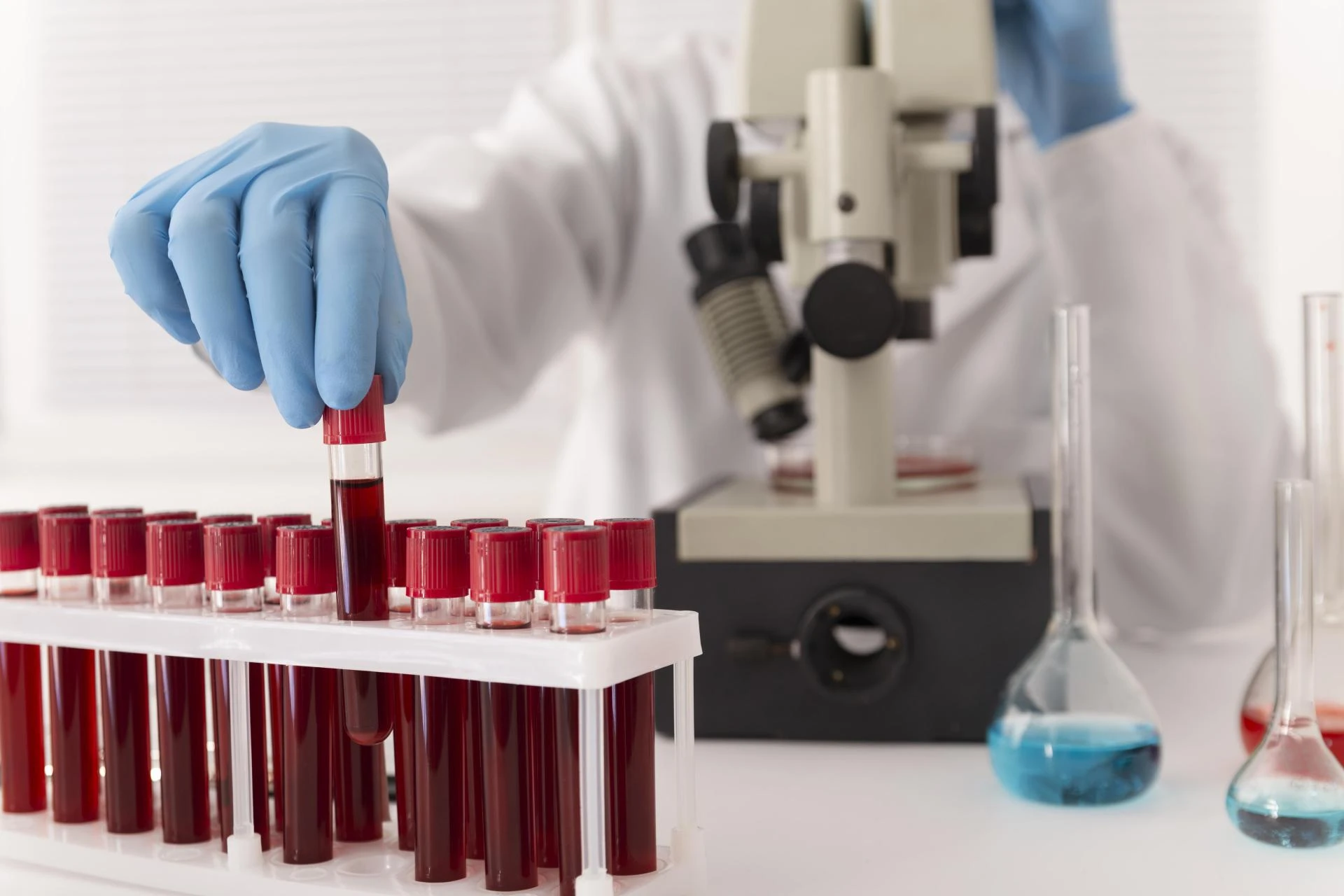
What is a Kidney Function Test?
A kidney function test (KFT) is a group of laboratory tests used to evaluate how efficiently your kidneys filter blood and remove waste. These tests measure specific substances in your blood and urine, such as creatinine, urea, and electrolytes.
Doctors use these results to:
- Detect early signs of kidney disease
- Monitor existing kidney conditions
- Evaluate the effectiveness of treatments
- Check overall health status
Why Are Kidney Function Tests Important?
Kidney diseases often develop slowly and silently. By the time symptoms appear, significant damage may already have occurred. Regular testing helps in:
- Early detection: Identifying problems before symptoms arise
- Preventing complications: Avoiding conditions like kidney failure
- Monitoring chronic diseases: Especially diabetes and high blood pressure
- Guiding treatment decisions: Ensuring medications are safe for your kidneys
Types of Kidney Function Tests
1. Blood Tests
Blood tests are the most common way to assess kidney function.
a. Serum Creatinine
Creatinine is a waste product from muscle activity. Healthy kidneys filter it out efficiently. High levels may indicate kidney dysfunction.
b. Blood Urea Nitrogen (BUN)
BUN measures the amount of nitrogen in your blood from urea, a waste product of protein metabolism. Elevated levels can suggest kidney problems.
c. Glomerular Filtration Rate (GFR)
GFR is one of the most important indicators of kidney function. It estimates how much blood your kidneys filter per minute.
- Normal GFR: 90 mL/min or higher
- Lower values indicate reduced kidney function
2. Urine Tests
Urine tests provide additional insights into kidney health.
a. Urinalysis
Checks for abnormalities such as protein, blood, or glucose in urine.
b. Albumin-to-Creatinine Ratio (ACR)
Detects small amounts of protein (albumin) in urine, which may signal early kidney damage.
c. 24-Hour Urine Test
Measures total waste products and protein excretion over a full day.
Normal Ranges of Key Kidney Test Parameters
TestNormal RangeSerum Creatinine0.6 – 1.2 mg/dLBUN7 – 20 mg/dLGFR90 mL/min or higherUrine AlbuminLess than 30 mg/day
Note: Normal ranges may vary slightly depending on age, gender, and laboratory standards.
Who Should Get a Kidney Function Test?
You may need a kidney function test if you:
- Have diabetes or high blood pressure
- Experience symptoms like fatigue, swelling, or frequent urination
- Have a family history of kidney disease
- Are above the age of 40
- Take medications that may affect kidney health
Regular screening is especially important for high-risk individuals.
Symptoms of Poor Kidney Function
Kidney issues can show subtle signs, including:
- Swelling in feet, ankles, or face
- Persistent fatigue
- Changes in urination (frequency or color)
- Nausea or vomiting
- Muscle cramps
- Difficulty concentrating
If you notice these symptoms, consult a healthcare professional promptly.
How to Prepare for a Kidney Function Test
Preparation is usually simple:
- Stay hydrated unless instructed otherwise
- Avoid heavy exercise before testing
- Inform your doctor about medications
- Follow fasting instructions if required
Urine tests may require collecting samples over a specified period.

Factors That Can Affect Test Results
Certain factors can influence kidney test results:
- Dehydration
- High protein diet
- Certain medications
- Intense physical activity
- Age and muscle mass
Always discuss your results with a healthcare provider for accurate interpretation.
How Often Should You Get Tested?
- Healthy individuals: Once a year during routine checkups
- High-risk individuals: Every 6 months or as advised
- Existing kidney disease patients: More frequent monitoring
Tips to Maintain Healthy Kidneys
To keep your kidneys functioning well:
- Drink plenty of water
- Maintain a balanced diet
- Limit salt and processed foods
- Exercise regularly
- Control blood sugar and blood pressure
- Avoid unnecessary medications
Healthy lifestyle choices can significantly reduce the risk of kidney disease.
Conclusion
Kidney function tests are a simple yet powerful tool for maintaining your overall health. They help detect problems early, monitor ongoing conditions, and guide effective treatment. Since kidney disease often develops without noticeable symptoms, regular testing is essential—especially if you are at risk.