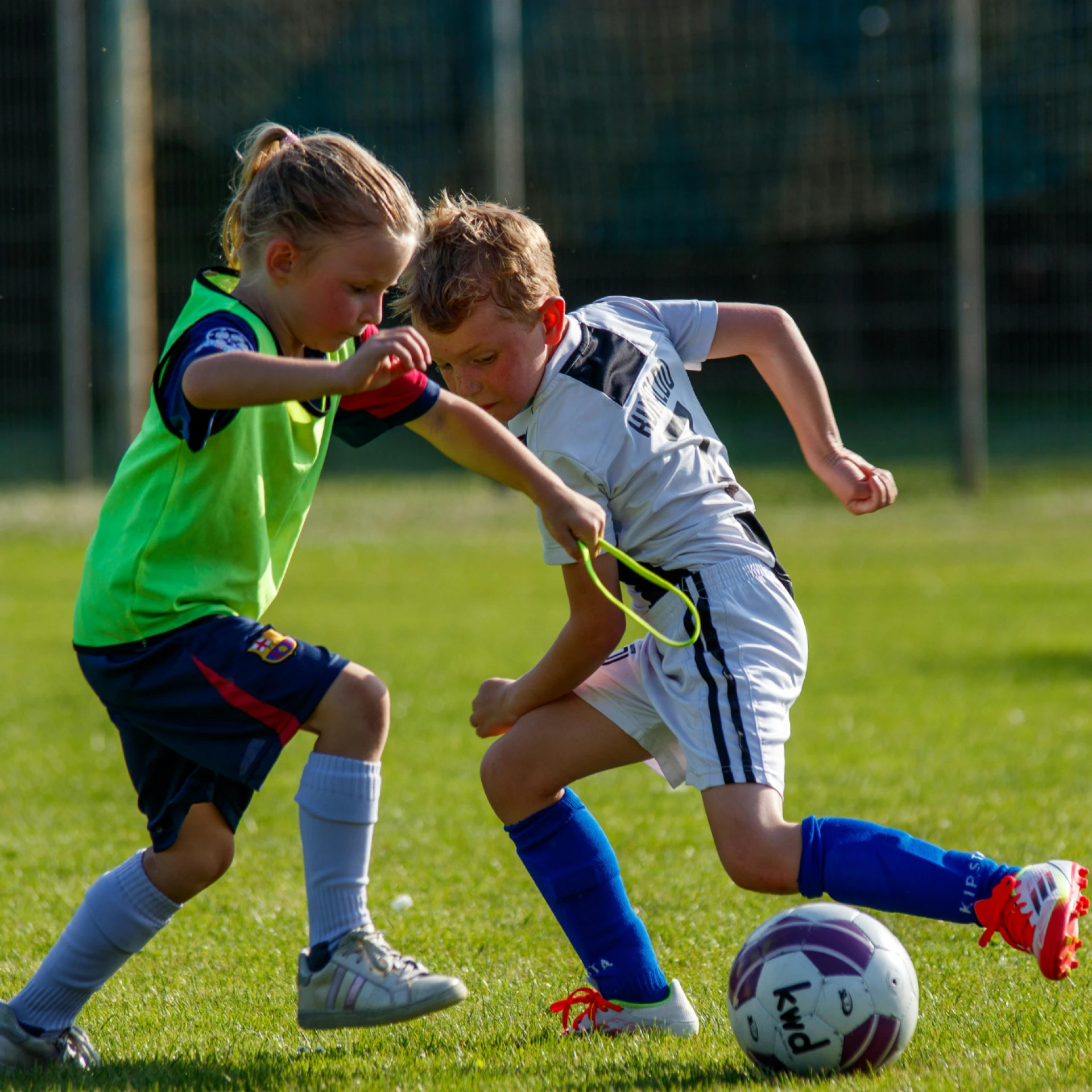
There’s something magical about the moment when you first kick a soccer ball and feel it roll under your foot. It’s the start of a journey filled with sweat, excitement, and countless memories. Whether you’re a total beginner or someone returning to the sport after a break, this guide will help you launch your soccer journey with confidence and enthusiasm.
Finding Your Why: What Drives You to Play Soccer?
Before lacing up your cleats, it’s important to understand what draws you to soccer. Is it the thrill of competition? The joy of teamwork? Or maybe it’s just the simple pleasure of running around with a ball at your feet. Knowing your motivation will keep you focused when the training gets tough. Reflecting on your personal connection to the sport can also help you navigate the ups and downs of your soccer journey. For some, it might be the exhilarating feeling of scoring a goal, while for others, it could be the camaraderie built with teammates during those long training sessions. Understanding these nuances can deepen your appreciation for the game and enhance your overall experience.
Soccer isn’t just a game; it’s a lifestyle. Some people play to stay fit, others to make friends, and some dream of playing professionally. At Barcelona Premier SC, players experience firsthand how the sport brings people together, transcending cultural and geographical boundaries. Whether you're playing in a local park or on an international stage, the shared passion for the game fosters connections that can last a lifetime. Whatever your reason, embracing it fully will make every practice and match more meaningful. Additionally, immersing yourself in the soccer community—attending matches, following your favorite teams, or even volunteering—can enrich your experience and deepen your love for the sport.
Setting Realistic Goals
Goals give your journey direction. Start small—mastering basic ball control, improving your stamina, or learning the rules of the game. As your skills grow, set bigger objectives like joining a local team or competing in a tournament. Remember, progress is a series of small wins. Celebrate these milestones, no matter how minor they may seem, as they are stepping stones on your path to improvement. Keeping a journal of your training sessions can also help you track your progress and reflect on your achievements, providing motivation to push through challenging times.
Moreover, consider setting both short-term and long-term goals. Short-term goals can include attending a certain number of practices each week or improving your passing accuracy, while long-term goals might involve earning a spot on a competitive team or even receiving a scholarship for college soccer. This dual approach not only keeps you engaged but also allows you to visualize your growth over time. Surrounding yourself with supportive teammates and coaches can further enhance your goal-setting experience, as they can provide valuable feedback and encouragement along the way.
Gear Up: What You Really Need to Start Playing
Soccer gear doesn’t have to be complicated or expensive. The essentials are straightforward but choosing the right equipment can make a big difference in your comfort and performance.
The Basics: Ball, Cleats, and Apparel
A good soccer ball is your best friend. For beginners, a size 5 ball is standard for adults, while younger players might start with size 3 or 4. Pick one with a durable cover and good grip. It's also worth noting that different brands may offer varying levels of bounce and control, so trying a few out can help you find the one that feels just right. Additionally, consider the ball's weight; a lighter ball can be easier to handle for younger players, while a heavier ball may provide a more authentic experience for adults.
Cleats provide traction and support. If you’re playing on grass, firm ground cleats are ideal. For indoor soccer, look for flat-soled shoes designed for hard surfaces. Don’t underestimate the importance of comfortable socks and breathable clothing that allows freedom of movement. Investing in moisture-wicking fabrics can keep you dry and comfortable during intense matches. Furthermore, consider the fit of your cleats; they should be snug without being too tight, as this can prevent blisters and allow for better control of the ball.
Optional but Helpful Gear
Shin guards are a must once you start playing matches or practicing with others. They protect your legs from knocks and kicks. When selecting shin guards, look for ones that fit snugly and provide adequate coverage without hindering your mobility. Some players prefer slip-in guards for a more streamlined feel, while others opt for guards with straps for added security. A water bottle and a small first aid kit are also smart additions to your soccer bag. Staying hydrated is crucial, especially during long training sessions or matches, so consider a bottle that can keep your drinks cool and is easy to carry.
Additionally, a good pair of training cones can be beneficial for practicing your dribbling and footwork skills. These can easily be set up in your backyard or at a local park to create your own training course. A small backpack or duffel bag specifically for your soccer gear can also help keep everything organized and ready for your next game or practice. Remember, the right gear not only enhances your performance but also boosts your confidence on the field, allowing you to focus on developing your skills and enjoying the game.
Mastering the Fundamentals: Skills Every Beginner Should Learn
Soccer is a game of skill, strategy, and stamina. Focusing on the basics lays a solid foundation for everything else.
Ball Control and Dribbling
Getting comfortable with the ball at your feet is the first step. Practice dribbling in a straight line, then try weaving through cones or markers. Use both feet to improve your versatility. The more you touch the ball, the better your control will become.
Passing and Receiving
Passing accurately is crucial for teamwork. Start with short passes against a wall or with a partner. Learn to control the ball when receiving it, so you can quickly decide your next move. Good passing opens up the game and creates scoring opportunities.
Shooting and Finishing
Shooting takes practice to develop power and accuracy. Begin by striking the ball with the inside of your foot for control, then experiment with the laces for more power. Aim at different parts of the goal to improve your precision.
Basic Defending
Defense is about positioning and timing. Learn to stay between your opponent and the goal. Practice jockeying-moving side to side to block attacks without diving in recklessly. Good defenders anticipate and react quickly.
Building Fitness and Conditioning for Soccer
Soccer demands endurance, speed, and strength. Improving your fitness will help you perform better and reduce the risk of injury.
Cardiovascular Endurance
Running is the backbone of soccer fitness. Incorporate interval training into your routine-alternate between sprinting and jogging to mimic the stop-and-go nature of the game. Aim for at least 30 minutes of cardio three to four times a week.
Strength and Agility
Strong legs and a stable core improve your balance and power. Bodyweight exercises like squats, lunges, and planks are effective and easy to do at home. Agility drills, such as ladder drills or cone sprints, enhance your quickness and coordination.
Flexibility and Recovery
Don’t skip stretching. Flexibility helps prevent injuries and keeps your muscles supple. Incorporate dynamic stretches before playing and static stretches afterward. Adequate rest and hydration are equally important to keep your body in top shape.
Joining a Team: Finding Your Place on the Field
Playing with others is where soccer truly comes alive. It’s about connection, communication, and shared goals.
Where to Look for Teams
Local community centers, schools, and sports clubs often have teams for all ages and skill levels. Many cities have recreational leagues that welcome beginners. Online platforms and social media groups can also be great resources to find teams or pickup games nearby.
What to Expect at Your First Tryout or Practice
First sessions can be intimidating, but remember everyone was new once. Coaches look for attitude and willingness to learn, not just skill. Focus on listening, following instructions, and giving your best effort. Building relationships with teammates makes the experience more enjoyable.
Balancing Competition and Fun
Winning feels great, but the love of the game should always come first. Celebrate your progress and enjoy the camaraderie. Playing regularly will naturally improve your skills and confidence.
Learning from the Pros: Inspiration and Resources
Watching professional soccer can teach you a lot about the game’s nuances and styles.
Studying Matches and Players
Observe how players position themselves, their movement off the ball, and their decision-making. Try to emulate techniques that fit your style. YouTube channels and sports networks offer plenty of tutorials and match analyses.
Coaching and Training Apps
There are many apps designed to help players improve skills through drills and feedback. Some offer personalized training plans, while others focus on specific skills like shooting or dribbling. Using these tools can accelerate your development.
Staying Motivated: Overcoming Challenges and Keeping the Momentum
Soccer journeys aren’t always smooth. There will be days when progress feels slow or injuries set you back.
Dealing with Setbacks
Injuries or plateaus happen to everyone. Use these moments to rest, reflect, and adjust your training. Patience is key. Remember why you started and focus on the joy of the game rather than just outcomes.
Celebrating Milestones
Every new skill learned, every match played, is a victory. Keep a journal or log your progress. Sharing achievements with friends or teammates can boost your morale and keep you engaged.
Finding Support
Surround yourself with people who encourage your passion. Coaches, teammates, family, or online communities can provide advice, motivation, and friendship. Soccer is as much about people as it is about the ball.
Ready to Take the First Step?
Soccer welcomes everyone with open arms. The ball is at your feet-now it’s time to move. Start practicing today, join a team, or simply kick around in your backyard. The journey is yours to create, full of challenges and triumphs.