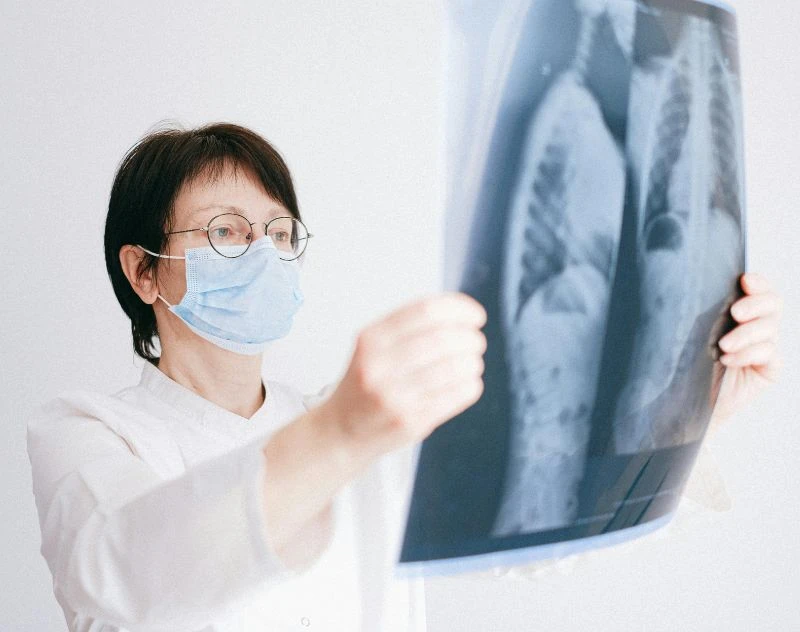
Understanding the symptoms lung cancer stages is essential because early detection can improve treatment options and outcomes. Many people ignore or misread the first signs, assuming they are linked to a cold, infection, or long-term smoking irritation. By knowing what to look for and how symptoms change as lung cancer progresses, you can respond faster and seek professional care when needed. In this guide, we break down early warnings, stage-wise symptoms, and helpful insights, drawing on reliable sources such as Manaaki Healthcare to make the information simple and actionable.
Why Understanding Symptoms Matters
Lung cancer often grows quietly in the early phase. People may go months without noticing anything unusual. This makes awareness vital. When you understand the symptoms lung cancer stages commonly show, you can identify what feels normal and what should be checked by a doctor. Early signs are usually subtle, while later stages show more intense changes in breathing, energy, and overall comfort.
Early Warning Signs That Should Never Be Ignored
The first signals can look harmless, but spotting them early makes a difference. Below are the most common early signs.
Persistent Cough
A cough that lasts more than a few weeks, especially if it worsens over time, may indicate irritation in lung tissue. Many people consider it seasonal or allergy-related, but a progressive cough deserves attention.
Shortness of Breath
This may appear during routine tasks such as walking, climbing stairs, or carrying light items. Even a slight shift in breathing capacity may be a sign of early obstruction or pressure inside the lungs.
Chest Discomfort
In the early stages, lung cancer may cause mild chest pain or tightness, especially when coughing or taking deep breaths. While not always severe, it is often persistent and should be addressed.
Voice Changes
Some people notice a raspy or hoarse voice. This occurs when the tumor affects nerves connected to the vocal cords. If hoarseness continues for more than a few weeks, it should be checked.
Unexplained Weight Changes
Sudden weight loss or reduced appetite can appear even before advanced symptoms become clear. It may hint at internal metabolic changes your body is responding to.
Symptoms of Lung Cancer Stages: Detailed Breakdown
Here is how symptoms typically differ across the primary stages of lung cancer. These patterns help you understand which signals may appear first and which occur as cancer grows.
Stage 1: Mild and Often Overlooked
Stage 1 lung cancer is still limited to one area of the lung. Many people do not feel anything unusual. At most, they may experience a light cough, slight fatigue, or reduced stamina. Because the discomfort is minimal, this stage often goes unnoticed. Regular screenings, especially for smokers or people exposed to pollutants, are key at this point.
Stage 2: Noticeable Changes in Breathing
At this stage, symptoms become clearer. People may feel:
- Moderate coughing episodes
- Breathing difficulties during routine movement
- Chest pressure or mild pain
- More frequent infections
Since the cancer has spread to nearby tissues, the body reacts more strongly to the obstruction and irritation in the lungs. These symptoms lung cancer stages show in Stage 2 are a sign that medical evaluation is necessary.
Stage 3: Stronger Discomfort and Systemic Signs
Stage 3 involves further spread into lymph nodes or deeper lung tissues. People may notice:
- Severe and persistent cough
- Wheezing
- Visible breathing effort
- Repeated infections
- Greater fatigue
Some individuals may also experience shoulder pain or discomfort in the upper back due to nerve involvement. This stage often prompts individuals to seek emergency help because symptoms become too disruptive to ignore.
Stage 4: Advanced and Widespread Signals
When lung cancer reaches Stage 4, symptoms affect multiple areas of the body. These may include:
- Swelling in the face or neck
- Bone pain
- Headaches
- Loss of coordination
- Coughing up blood
- Severe breathlessness
At this point, cancer may have spread to the brain, liver, or bones, leading to a wide range of physical discomforts. Treatment focuses on comfort and slowing progression.
How Early Signs Differ From Later Symptoms
It helps to compare both phases side by side.
Early symptoms are soft and subtle—usually mild coughs, slight shortness of breath, or minor fatigue. These often resemble common respiratory issues.
Later symptoms show more intensity. Breathing becomes harder, pain becomes consistent, and the cough becomes disruptive. The body also begins to show effects in other organs, changing how you eat, sleep, and move.
When to Seek Professional Help
If you feel any of the earlier signs for more than three weeks, talk to a healthcare professional. Even if symptoms seem small, early evaluation is always better. Reliable providers, including services that follow strong care standards like Manaaki Healthcare, stress the importance of timely checks when changes continue for too long.
What Causes These Symptoms?
Symptoms develop when:
- A tumor blocks airflow
- Cancer irritates the lung tissues
- Infections form around areas of obstruction
- Nerves become affected
- Cancer spreads to other parts of the body
Understanding why symptoms happen helps you see why some signs start early while others appear only in advanced stages.
How Doctors Diagnose Symptoms Across Lung Cancer Stages
Diagnosis usually involves:
- Medical history review
- Physical examination
- Chest X-ray or CT scan
- Biopsy when needed
- Blood tests to check overall health
Doctors look at how long symptoms have lasted, whether they are worsening, and if they are connected to lifestyle factors such as smoking, pollution exposure, or family history.
Treatment Options by Stage
While each case is unique, treatments vary by stage:
Stages 1 and 2: Surgery and targeted therapies may be effective.
Stage 3: Combined treatments like radiation and chemotherapy.
Stage 4: Care focuses on management, symptom relief, and improving comfort.
Healthcare providers like those aligned with Manaaki Healthcare often guide patients through options based on the stage and overall health.
Living With Symptoms: Practical Tips
- Monitor your breathing patterns
- Record changes in cough intensity
- Maintain hydration
- Avoid smoke and pollutants
- Keep your home environment clean
- Follow your doctor’s treatment plan
These simple steps help you stay alert to changes and improve everyday comfort.
FAQ
1. Are early lung cancer symptoms easy to spot?
Not always. Early signs are usually mild and may look like a normal cough or slight fatigue. Awareness helps you notice changes faster.
2. Does every cough mean lung cancer?
No. Most coughs come from infections or irritation. But a persistent or worsening cough lasting more than a few weeks should be evaluated.
3. Can young people experience lung cancer symptoms?
Yes, although less common. Anyone exposed to pollution, smoke, or family history risks can show symptoms depending on their lung health.
Conclusion
Understanding the symptoms lung cancer stages show at each phase helps you respond early and with confidence. Since early signs are often quiet and easy to miss, staying informed protects your long-term well-being. Guidance from trusted sources such as Manaaki Healthcare supports clearer decision-making throughout the process.