
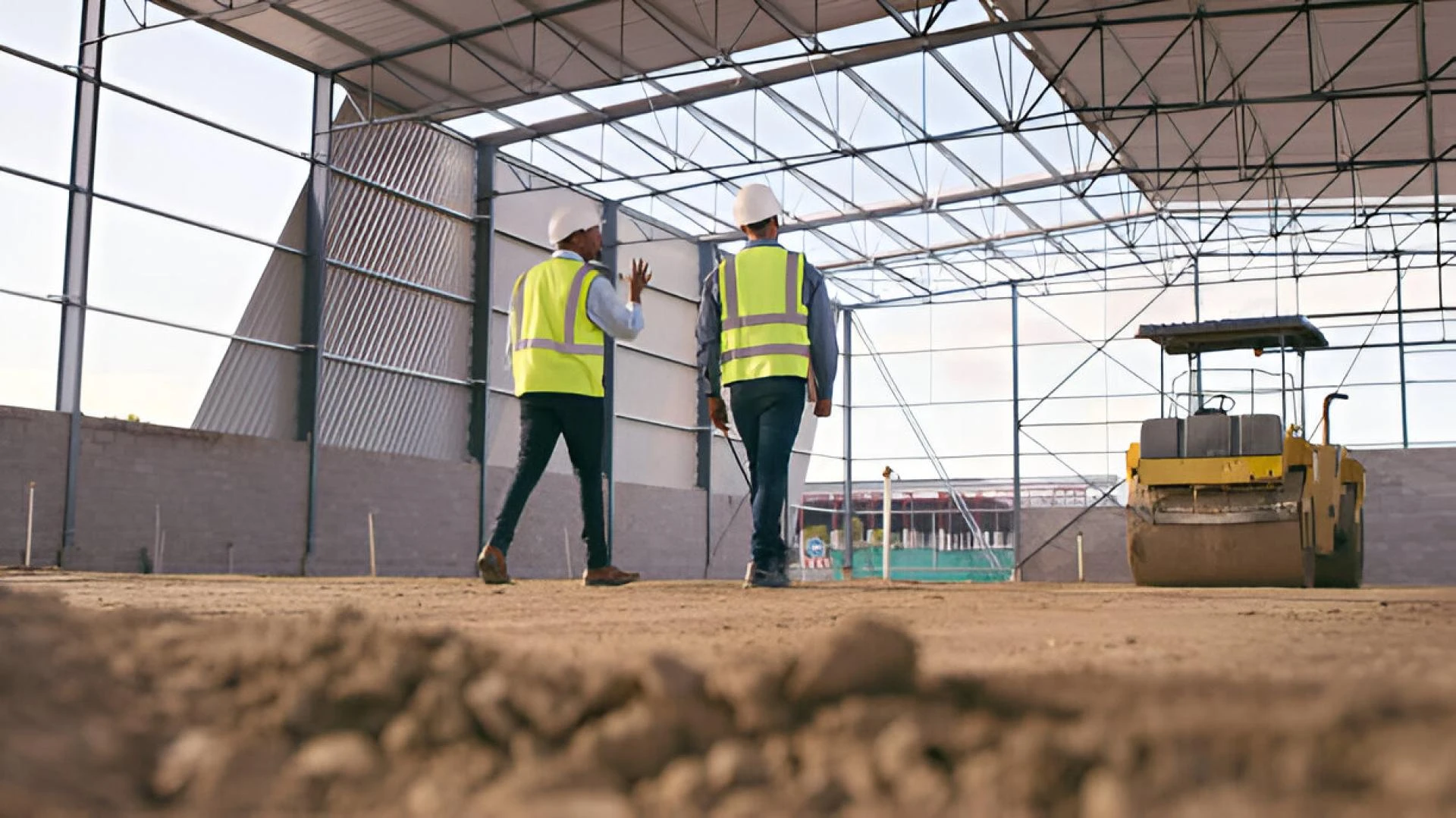
Warehouse safety is vital for establishing a secure and productive working atmosphere. In warehouses, where numerous tasks are performed under tight deadlines, ensuring safety is crucial to minimise risks and prevent accidents. A well-managed safety program can help foster a safe workspace, boost employee morale, and reduce costly downtime due to injuries.
Here are seven key points to consider when implementing or improving warehouse safety measures.
1. Organise the Warehouse Layout
A safe warehouse begins with a well-organised layout. A clear and structured warehouse design helps prevent accidents, such as trips, falls, and collisions. It is essential to plan pathways and storage areas carefully, ensuring sufficient space for workers and machines, such as forklifts, to move around without obstruction. Regularly check that aisles remain clear and that goods are stored securely at appropriate heights. This simple yet effective strategy significantly reduces hazards and promotes a smoother workflow.
2. Use of Warehouse Safety Signs and Labels
Clear and conspicuous signage is one of the most important components of warehouse safety. Warehouse safety signs and labels provide essential information about potential hazards, guiding workers to take the necessary precautions. These visual indicators can help alert staff to dangers such as electrical areas, wet floors, or hazardous materials. Placing these signs in strategic locations, like near fire exits, safety equipment, and machinery, ensures that everyone is constantly reminded of safety procedures. Well-placed warehouse safety signs and labels improve awareness and minimise the risk of preventable accidents.
3. Regular Inspections with a Warehouse Safety Checklist
Routine inspections are a fundamental part of any warehouse safety program. A warehouse safety checklist can help identify issues before they become serious hazards. These checks should be done frequently to assess the condition of equipment, shelving units, and structural integrity. Crucially, consistent checks of fire safety gear and first-aid posts aren't just good practice; they're the lifelines. Workers should be trained to spot and report potential risks to ensure immediate action is taken. Inspections allow warehouses to operate efficiently while maintaining a high level of safety.
4. Enforce Warehouse Safety Rules
To create a culture of safety, it is crucial to implement and enforce clear warehouse safety rules. From the intricacies of safe lifting practices to the strict protocols for hazardous material handling, these standards need to leave no stone unturned. Equipping your team with comprehensive knowledge of personal protective equipment (PPE), operational best practices, and robust emergency protocols is the bedrock of a safe workplace. Regular training and refreshers will keep the workforce aware of these rules and make them part of daily practice. Reinforcing these rules ensures that everyone knows their responsibilities in maintaining a safe warehouse environment.
5. Comprehensive Employee Training on Warehouse Safety Guidelines
Effective warehouse safety begins with comprehensive training. It is important that employees at all levels are trained in warehouse safety guidelines. Such foundational training must encompass the secure operation of all equipment, the keen identification of potential hazards, and precise emergency response techniques. Training should also focus on the importance of using PPE and ensuring that safety rules are followed to the letter. In addition, emergency drills should be conducted periodically so employees know how to respond quickly in case of an emergency. By investing in training, warehouses not only reduce accidents but also enhance overall operational efficiency.
6. Proper Maintenance of Equipment and Machinery
Regular, proactive maintenance of all machinery and equipment is essential for ensuring comprehensive warehouse safety. Regular maintenance checks ensure that all equipment is functioning properly and reduce the likelihood of machinery failure. Malfunctioning equipment, whether forklifts, pallet jacks, or conveyor belts, can lead to serious accidents. It's essential to have a scheduled maintenance plan that includes checking the integrity of machines and replacing parts as needed. Ensuring that employees are trained in using the equipment properly is equally important in preventing accidents caused by human error.
7. Be Prepared for Emergencies
Despite comprehensive preventative measures, the reality is that emergencies are an ever-present possibility. Having a well-prepared response plan is essential for warehouse safety. Clear emergency procedures should be established for various scenarios, including fires, medical emergencies, and machinery malfunctions. Workers should know the locations of fire exits, first-aid stations, and emergency equipment like fire extinguishers and eye-wash stations. Regular emergency drills should be scheduled to ensure employees can act swiftly and efficiently in critical situations. The quicker and more organised the response, the better the chance of minimising harm.
Conclusion
The importance of warehouse safety cannot be overstated. When safety is paramount, efficiency naturally follows, creating a workspace where staff are not only secure but also empowered and appreciated. Experienced warehouse builders know that implementing a solid safety plan requires attention to detail in the layout, signage, inspections, training, and maintenance.
By following warehouse safety guidelines, enforcing clear warehouse safety rules, and ensuring that emergency procedures are in place, businesses can create a secure environment that minimises risks and keeps employees safe