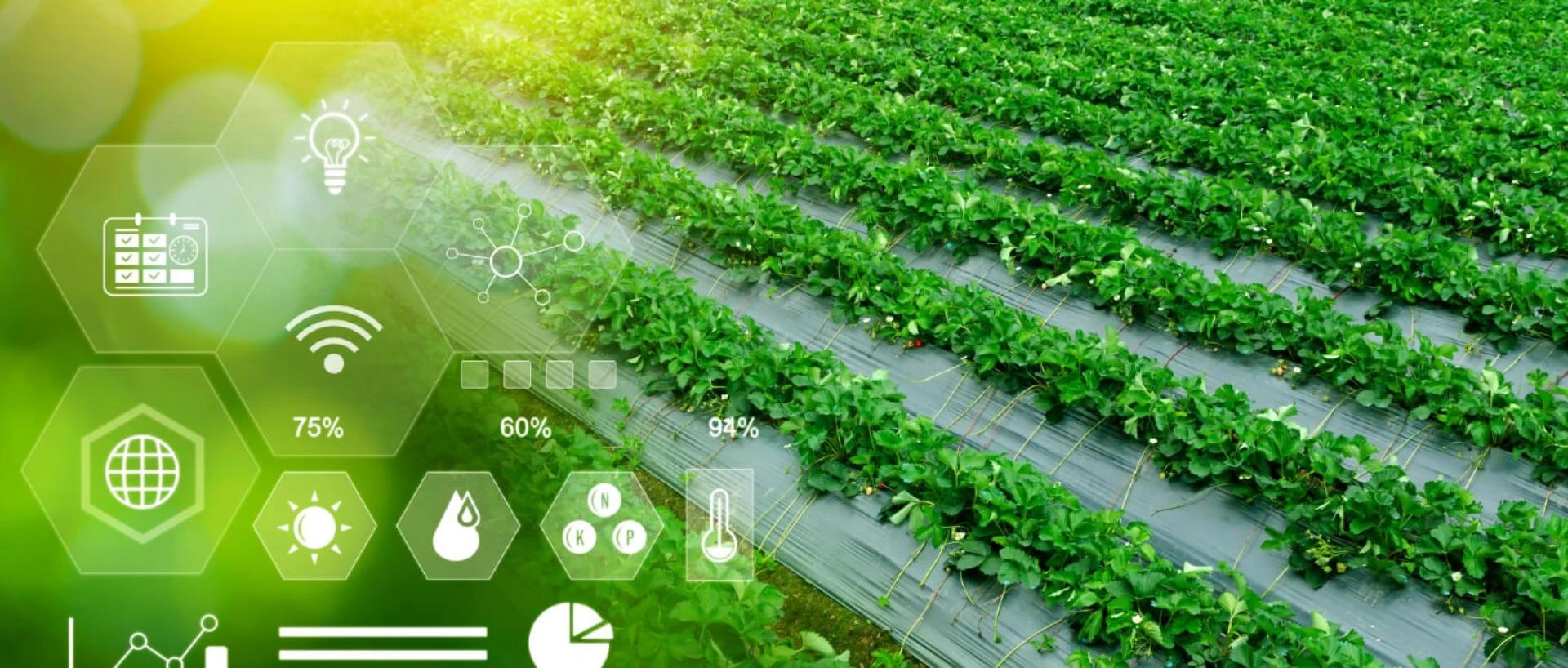
In the fast-changing field of agriculture, technology is essential in boosting efficiency, productivity and sustainability. AgTech tools are leading this change and providing farmers with the tools required to maximise each aspect of their business. For everything from precise farming to crop management, solutions utilise cutting-edge technology like real-time data, machine learning and IoT to improve procedures and boost decision-making efficiency.
This blog will discuss the essential features that any AgTech software application should have. By better understanding the core components of these platforms, farmers, agribusinesses and developers can more effectively harness the potential of technology to address modern agriculture's challenges. Whether optimising the use of resources and yield forecasts or reducing the burden of managing farms using the appropriate software, it can be the key to implementing more efficient, sustainable farming practices. Let's look at the key features of an efficient AgTech software development.
Introduction to AgTech Software Solutions
Software solutions for AgTech are changing the agriculture industry by integrating advanced technologies to simplify agricultural operations and improve efficiency. The software platforms use the power of real-time information, artificial intelligence (AI), machine learning and technology like the Internet of Things (IoT) to optimize all aspects of farming processes, including crop management and resource allocation. In the face of the increasing need for sustainable farming practices, AgTech solutions have been created to give farmers the tools to boost yields while minimising environmental impacts.
The primary goal of AgTech Software is to provide farmers with actionable information that will lead to better decisions. The software gathers information from various sources, like sensors, satellite images and forecasts for weather, which are then analysed to create predictive analytics and suggestions to increase the yield of crops and yield, fertilisation and pest control.
Why AgTech Software is Crucial for Modern Agriculture?
AgTech software is fast becoming the foundation in modern farming, assisting farmers to overcome a variety of issues while increasing overall efficiency, productivity and sustainability. As the world is confronted with increasing population expansion, climate change and the requirement to feed more people using less sources, AgTech tools provide required tools to meet the demands and transform the way that farming is conducted.
Data-Driven Decision-Making for Better Farming
One of the primary reasons why AgTech software is essential is its capacity to collect the information, analyse it and make use of huge amounts of data. Traditional methods of farming depend on intuition and experience which may result in inefficiencies and missed opportunities. Contrarily, AgTech software harnesses data from a variety of sources, such as soil sensors, satellite imagery, weather forecasts and IoT devices to offer instantaneous information.
This information can help farmers make more informed decisions about fertilisation, irrigation, planting and pest control, which results in better resource utilisation and better yields from crops.
Precision Farming for Sustainable Agriculture
AgTech software permits precise farming, which is focused on making agriculture more precise and efficient. With the help of detailed information farmers can apply fertiliser, water and pesticides when and where they are necessary, not uniformly all over the farm. This reduces waste, but also reduces the environmental impacts associated with farming, which makes farming more eco-friendly.
For example, smart irrigation systems that are powered by AgTech software can alter the use of water based on current soil moisture information, thus reducing the amount of water wasted and making sure that crops get the proper amount of water.
Automation: Enhancing Efficiency and Reducing Labor
Another benefit that comes with AgTech Software is the capability to automate processes. Through the integration of equipment and machinery, AgTech solutions can automate tasks such as fertilisation, irrigation and even monitoring of crops. This helps reduce the requirement to use manual labour, reduces the chance of human error and improves the efficiency of overall farming operations. Automation also frees farmers their time, which allows them to concentrate on important tasks such as strategising and planning.
Predictive Analytics for Smarter Planning
AgTech software is a key component for predictive analysis. Through algorithmic machine learning, this software is able to analyse real-time and historical data to predict the future developments, including yields of crops or pest outbreaks as well as the weather conditions. This helps farmers anticipate their future needs and reduce the risk associated with unpredictable weather patterns and market fluctuations.
Scalability and Customisation for Different Farm Sizes
Additionally, AgTech software provides scalability and customisation to suit different kinds of farms. It doesn't matter if it's a small family farm or a manufacturing facility, AgTech products can be customised to meet the specific demands and requirements of any size farm.
Key Features to Include in an AgTech Software Solution
AgTech software solutions modernise farming operations and dealing with the complexity of the current agricultural challenges. In order to maximise their effectiveness they must incorporate important features that aid in effectiveness, efficiency, data-driven decision-making and sustainable development. Here are a few of the key elements that should be integrated into the AgTech application:
Real-Time Data Tracking and Monitoring
The collection of real time data is among the main features in AgTech software. Through the use of sensors as well as IoT devices the software is able to continuously check various parameters like temperatures, moisture in the soil and the health of crops. These data provide farmers with current information on the health of their crops and surrounding environment, which allows them to make informed choices regarding fertilisation, irrigation and the control of pests.
Predictive Analytics and AI
By utilising Artificial Intelligence (AI) as well as machine-learning (ML) techniques, AgTech software can predict future trends using historical data. For instance predictive analytics are able to forecast the yield of crops and weather patterns as well as pest outbreaks. This lets farmers make plans ahead and develop optimal methods for planting, harvesting and resource management which reduces risks and increases yield.
Integration with IoT Devices
The Internet of Things (IoT) is now a game changer in the field of agriculture. AgTech software must seamlessly integrate with different IoT devices like drones, soil sensors as well as weather stations. This integration allows farmers to collect real-time data from a variety of sources, allowing them to track the condition of the farm, manage equipment and automate processes like fertilisation and irrigation.
Mobile Access and Cloud Storage
Farmers are frequently in motion, so accessing mobile devices to AgTech software is vital. Cloud-based platforms let farmer’s access crucial data and monitor farm operations remotely using tablets or smartphones. Mobile access also allows farmers to make adjustments in real-time that are based on the latest data regardless of where they are at the farm.
User-Friendly Dashboards and Reporting Tools
In order for AgTech technology to become efficient It must be simple to understand and navigate. A simple dashboard can provide farmers with a comprehensive view of the performance of their farms providing key metrics such as the health of the soil, the growth of crops and the use of resources. Flexible reporting tools let farmers produce reports that are tailored to their particular requirements, be it keeping track of crop performance or monitoring the costs of inputs.
Scalability and Customisation
As farms expand in size and diversity, AgTech software needs to be able to adapt to various types of farming operations. Small-scale farming or large-scale industrial agriculture AgTech software must be adaptable to different size farms and be able to meet the specific requirements. The flexibility to customise the software allows farmers to alter the software to meet their particular agricultural practices and goals.
How AgTech Software Optimises Farming Efficiency?
On-demand agriculture app development revolutionises the agriculture industry by dramatically improving farm efficiency. Utilising cutting-edge technologies such as live data gathering, analytics in real time along with automation. These tools help farmers streamline their processes as well as reduce waste. They also allow farmers to make better informed choices.
Real-Time Data Tracking for Immediate Action
One of the most important methods AgTech software improves efficiency in farming is by utilising real-time data monitoring. By analysing data from a variety of sources like sensor sensors for soil, stations to monitor weather as well as IoT equipment, AgTech software provides farmers with the most current information about their cultivation's health and soil conditions as well as environmental conditions. This allows farmers to act immediately to improve the amount of irrigation, apply fertilisers or manage pests, instead of using outdated or incorrect data.
Automation of Manual Tasks
Another major benefit for AgTech software lies in its capability to automate processes. Things that used to require manual labor, for example fertilisation or irrigation, could now be automated using the latest information. For example, smart irrigation systems backed by AgTech software can alter the amount of water used according to the level of soil moisture, ensuring that crops receive the appropriate amounts of irrigation at appropriate timing. This decreases the amount of water wasted, saves resources and boosts the overall efficiency of farms.
Predictive Analytics for Smarter Planning
Furthermore, predictive analytics play crucially in enhancing the efficiency of farming. Through the analysis of recent data as well as the current weather circumstances, AgTech software can forecast the yield of crops as well as weather patterns and possible outbreaks of pests. This helps farmers plan ahead and optimise the timing of planting, resource use and harvesting methods and reduce the risks caused by unpredictable weather conditions.
Supply Chain Optimisation
AgTech software also improves efficiency of the supply chain. In integrating the logistics and inventory management systems it assists farmers in tracking the production of their crops from field to the market, making sure that their produce arrives at the right time and in good state. This can reduce spoilage, waste and delays, leading to greater profits and better market position.
Crop Health Monitor by Remote Sensing
Utilising remote sensing technology, AgTech software enables farmers to track the health of their crops across large areas rapidly and with precision. Drones and satellite imagery can help detect issues like pests, diseases or nutritional deficiencies and allow for quick intervention and targeted treatment. This helps reduce the need for general treatments and makes sure that resources are utilised more effectively.
Farm Financial Management and Cost Tracking
AgTech software can also enhance the management of finances by providing tools to budget, track expenses and forecasting. It aids farmers to keep track of their operational expenses, input costs and the potential savings, enabling more efficient financial planning and profit analysis. This complete financial transparency lets farmers make more informed decisions regarding expansions, investments and the allocation of resources.
The Key Takeaway
In the end, AgTech software is revolutionising the landscape of agriculture by enhancing efficiency in farming and encouraging more sustainable methods. Utilising live data monitoring, automated predictive analytics, as well as remotely sensing technology, AgTech solutions empower farmers to make educated choices, increase yields of crops and reduce waste of resources.
Furthermore, features such as finance management and supply chain optimisation can help farmers improve their operations and increase the profitability of their operations. In the face of growing challenges, including the effects of climate changes, resource scarcity and increasing demands, AgTech software provides the instruments needed to deal with these challenges effectively.
The future of agriculture is based on data-driven and smart solutions. AgTech is leading this change. Partnering with an AgTech software development company can not only increase productivity, but also help create a more sustainable and robust agriculture system for generations to follow.