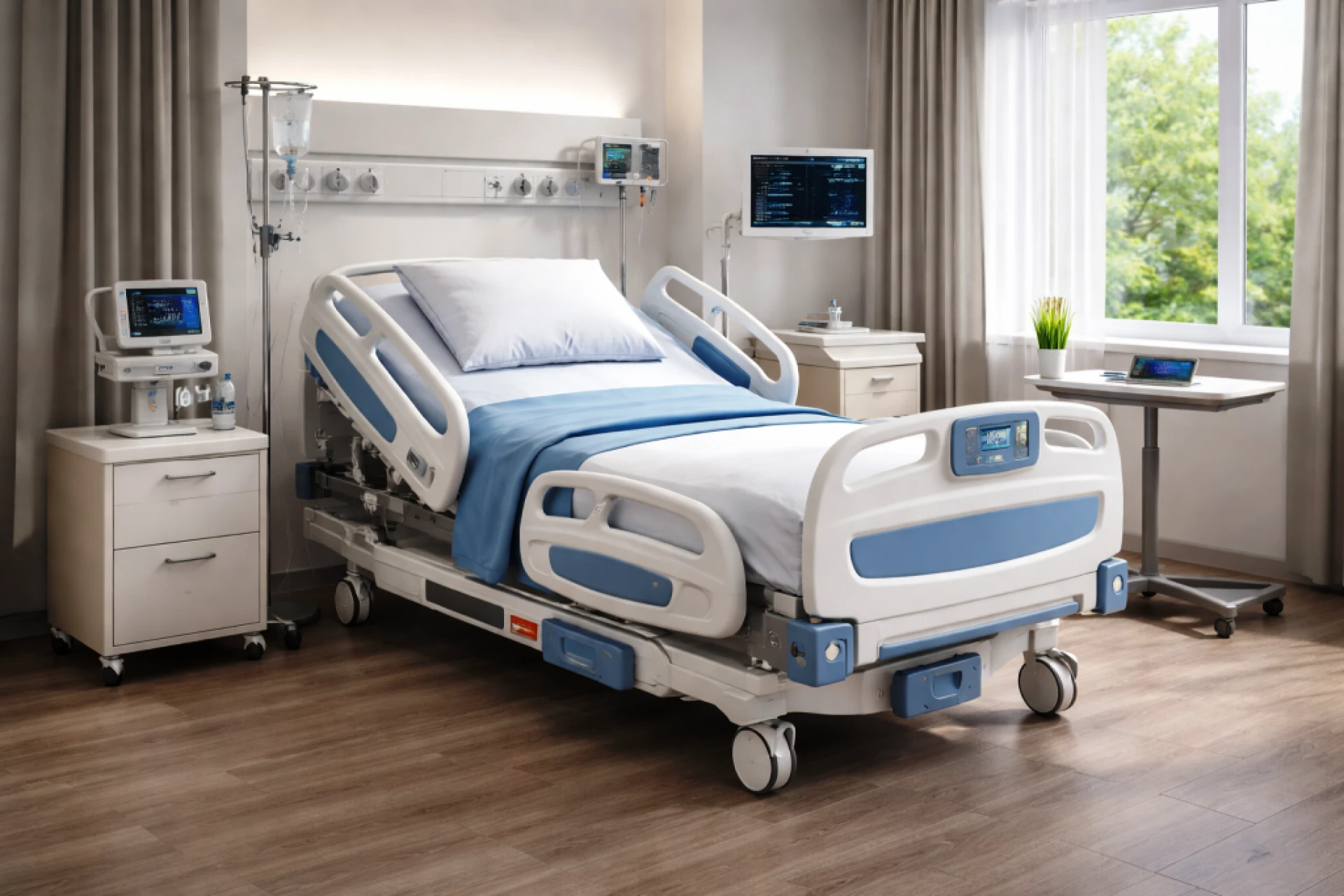
Patient cots and beds are fundamental components of healthcare infrastructure, playing a crucial role in patient care, comfort, recovery, and safety. Whether in hospitals, clinics, nursing homes, or home care environments, the design and functionality of these beds directly impact both patients and caregivers. Understanding the key factors of patient cots and beds is essential for selecting the right equipment and ensuring optimal healthcare outcomes.
1. Patient Comfort and Ergonomics
Comfort is one of the most critical aspects of a patient bed. Patients often spend extended periods lying down, especially during recovery or long-term care. Beds must provide adequate support to prevent discomfort, pain, and complications such as pressure ulcers. High-quality mattresses, adjustable positions, and cushioning materials contribute significantly to patient well-being.
Ergonomics also plays a role in ensuring that the bed supports natural body posture. Features like adjustable headrests, leg elevation, and lumbar support help reduce strain on the body and promote better circulation. Comfortable beds can improve sleep quality, which is essential for healing.
2. Adjustability and Functionality
Modern patient beds are designed with multiple adjustable features to accommodate different medical needs. Adjustable height, backrest, and leg sections allow caregivers to position patients appropriately for feeding, treatment, or rest. Electric or semi-electric beds enable easy adjustments with minimal physical effort, enhancing efficiency in caregiving.
Specialized positions such as Fowler’s position or Trendelenburg position are often necessary in medical care. Beds that can achieve these positions help in respiratory support, circulation management, and surgical recovery.
3. Safety Features
Safety is a paramount concern in patient bed design. Features such as side rails prevent accidental falls, especially for elderly or unconscious patients. Lockable wheels ensure stability when the bed is stationary while allowing mobility when required.
Additional safety features may include alarm systems that alert caregivers if a patient attempts to leave the bed, anti-slip surfaces, and rounded edges to prevent injuries. Electrical safety is also important, particularly in powered beds, to avoid hazards.
4. Durability and Material Quality
Patient beds must be durable enough to withstand frequent use and cleaning. High-quality materials such as stainless steel, reinforced plastic, and coated metals are commonly used to ensure longevity. Durability is particularly important in hospitals where beds are used continuously by different patients.
Materials should also be resistant to corrosion, easy to clean, and capable of withstanding disinfectants. This ensures that hygiene standards are maintained without compromising the bed’s structural integrity.
5. Hygiene and Infection Control
Maintaining hygiene is critical in healthcare environments. Patient beds must be designed to minimize the risk of infection transmission. Smooth surfaces, antimicrobial coatings, and removable components facilitate thorough cleaning and disinfection.
Mattresses often come with waterproof and antibacterial covers to prevent contamination. Proper hygiene design helps in reducing hospital-acquired infections (HAIs), which are a major concern in healthcare facilities.
6. Mobility and Portability
Mobility is another important factor, especially in hospitals and emergency settings. Beds with wheels allow easy transportation of patients between rooms or departments. Lightweight cots are particularly useful in emergency situations, field hospitals, and ambulances.
Portable cots should be easy to fold, store, and transport while still providing adequate support and stability. This flexibility is essential in situations where space and time are limited.
7. Weight Capacity and Size
Patient beds must accommodate individuals of varying sizes and weights. Standard beds are suitable for most patients, but bariatric beds are designed for heavier individuals, offering increased width and weight capacity.
The size of the bed should also align with the available space in the facility. Compact designs are beneficial in smaller rooms, while larger beds provide more comfort in spacious settings.
8. Ease of Use for Caregivers
Healthcare providers interact with patient beds frequently, making ease of use a crucial factor. Beds should be designed to reduce the physical strain on caregivers. Features like electric controls, adjustable height, and easy maneuverability help in minimizing effort and preventing workplace injuries.
Intuitive controls and user-friendly design ensure that caregivers can operate the bed efficiently, even in high-pressure situations.
9. Technological Integration
Advancements in technology have significantly improved patient bed functionality. Modern beds may include features such as remote controls, automated positioning, patient monitoring systems, and integration with hospital management systems.
Smart beds can track patient movement, monitor vital signs, and provide alerts for potential issues. These innovations enhance patient care and improve overall healthcare efficiency.
10. Cost and Budget Considerations
Cost is an important factor when selecting patient beds, especially for healthcare institutions with budget constraints. While advanced beds with multiple features offer significant benefits, they may also be expensive.
It is essential to balance cost with functionality and durability. Investing in high-quality beds may reduce long-term maintenance and replacement costs, making them more economical over time.
11. Customization and Specialized Needs
Different medical conditions require specialized bed features. For example, ICU beds are equipped with advanced monitoring systems, while pediatric beds are designed for children’s safety and comfort. Rehabilitation beds may include features to assist with mobility and therapy.
Customization options allow healthcare providers to choose beds that meet specific patient needs, improving the quality of care.
12. Environmental Considerations
Sustainability is becoming increasingly important in healthcare equipment design. Eco-friendly materials, energy-efficient components, and recyclable parts contribute to reducing the environmental impact of patient beds.
Hospitals and healthcare facilities are now considering environmentally responsible options as part of their procurement processes.
Conclusion
Patient cots and beds are more than just furniture; they are essential tools in delivering effective healthcare. Factors such as comfort, safety, adjustability, durability, and technological integration play a vital role in their design and selection. By carefully considering these aspects, healthcare providers can ensure better patient outcomes, improved caregiver efficiency, and overall enhanced quality of care.
As healthcare continues to evolve, patient beds will likely incorporate even more advanced features, further improving the standards of patient comfort and safety. Investing in the right patient cot and bed are, therefore, a critical decision that impacts both immediate care and long-term recovery.