
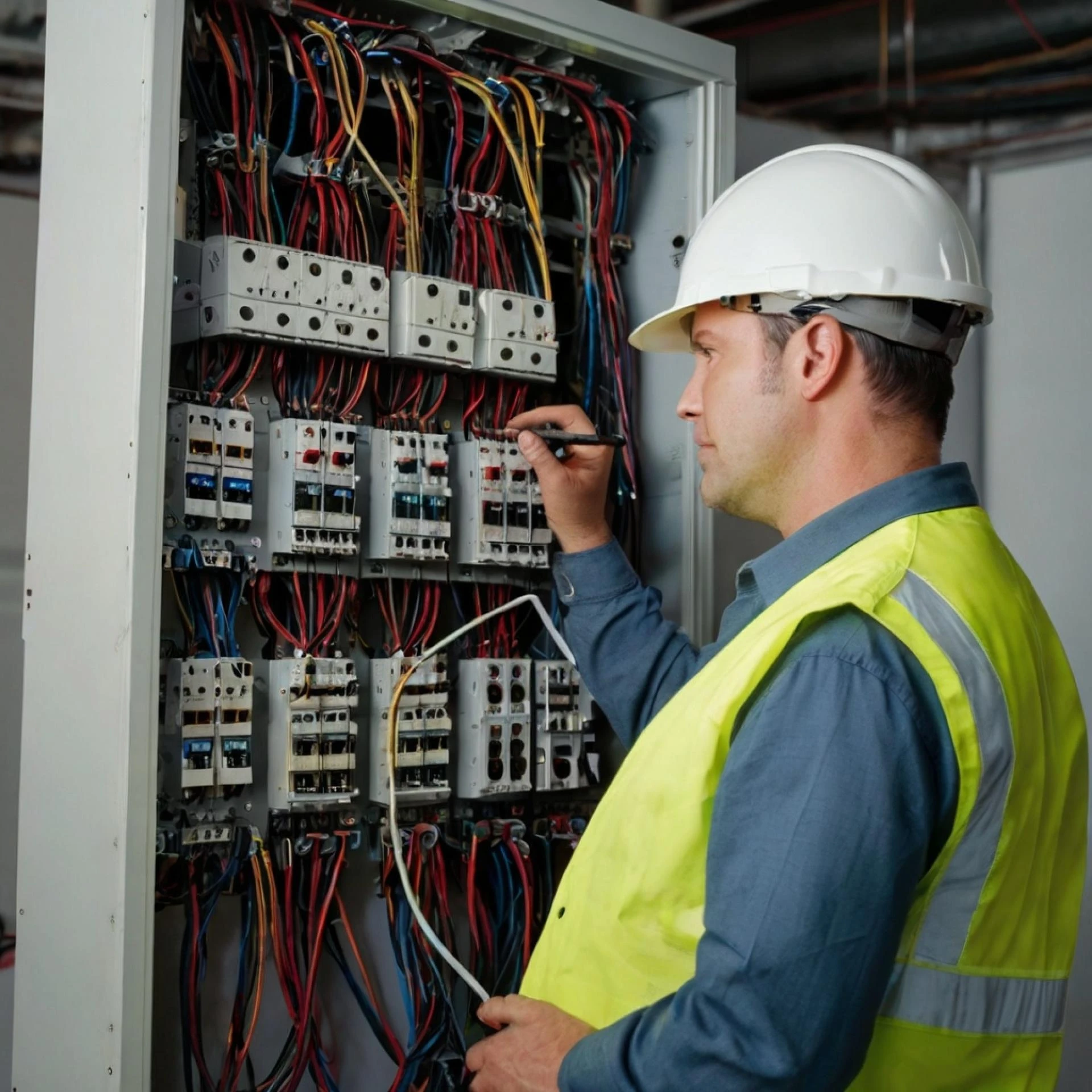
When it comes to commercial properties, electrical systems are not just about functionality—they're integral to safety, compliance, and business continuity. Unlike residential properties, commercial buildings face more complex electrical demands due to larger equipment, higher usage, and stricter legal requirements.
Understanding the key electrical requirements for commercial properties ensures a safer working environment, protects valuable equipment, and keeps businesses running efficiently. Whether you own an office, retail unit, or industrial facility, meeting these requirements should be a top priority.
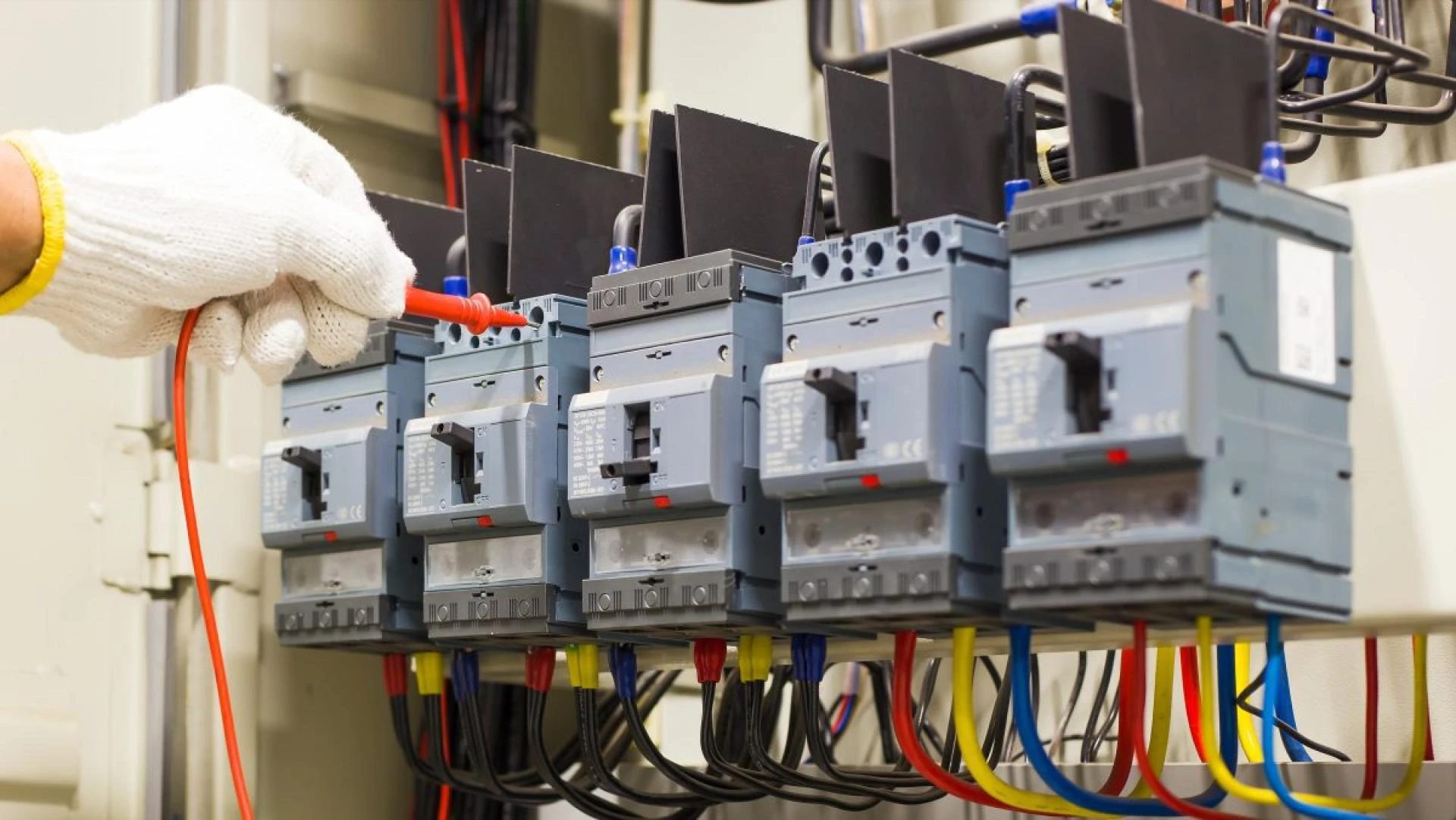
1. Compliance with Electrical Safety Regulations
Commercial properties in the UK must adhere to strict regulations, including the Electricity at Work Regulations 1989, which outline responsibilities to ensure systems are maintained in a safe condition. One of the most important requirements is ensuring that all electrical installations and systems comply with BS 7671 – The IET Wiring Regulations.
These regulations cover everything from circuit design and cable selection to earthing and protection systems. Non-compliance can result in severe penalties, insurance issues, or even closure of business premises. Regular inspections and testing by certified electricians are essential for legal and safety compliance.
2. Commercial Electrical Installation Condition Reports (EICRs)
An EICR is a vital part of maintaining a safe electrical system in a commercial setting. It involves a thorough inspection of the property’s electrical systems to identify deterioration, defects, or non-compliance with current standards.
For commercial properties, it’s recommended that EICRs are conducted every five years, or more frequently if the environment demands it (e.g., factories, kitchens, or wet environments). An Electrician Tunbridge Wells can provide these inspections, ensuring your business remains compliant and safe.
3. Emergency Lighting Systems
All commercial buildings must have functional emergency lighting to guide occupants to safety in the event of power failure or fire. Emergency lights should automatically switch on when the main power fails, illuminating exit routes and critical areas.
UK regulations, including BS 5266-1, require that emergency lighting is installed and maintained in workplaces, particularly where artificial lighting is used. Emergency lighting must also be tested regularly—typically monthly function tests and annual full-duration tests.
4. Fire Alarm and Detection Systems
Fire safety regulations require all commercial properties to have appropriate fire alarm systems, which vary depending on the building size, use, and risk level. These systems must include detectors, alarms, and manual call points, all powered and supported by the property’s electrical infrastructure.
Installing and maintaining a compliant fire alarm system ensures early detection, allowing staff and customers to evacuate safely in emergencies. Periodic servicing by qualified professionals is required to meet BS 5839-1 standards.
5. Adequate Power Supply and Load Management
Commercial properties often require significantly more power than residential ones, especially when operating machinery, computer networks, or commercial kitchens. It is essential to design the electrical system to handle the required load capacity without overloading circuits.
Proper load balancing and power distribution help prevent energy waste, circuit trips, and potential fire hazards. In many cases, a 3-phase power supply is used to support high-power equipment.
If you're unsure whether your electrical system can meet your growing business needs, consulting a qualified Electrician Southborough can help you assess and upgrade your infrastructure accordingly.
6. Data Cabling and Networking Requirements
Modern commercial operations depend heavily on robust IT systems, making structured data cabling a critical electrical requirement. From server rooms to workstations, the layout and quality of cabling can affect productivity, data transfer speeds, and system reliability.
All network cabling should be installed away from electrical cables to avoid interference, and consideration should be given to future scalability. Using professional electricians who understand both power and data infrastructure ensures a seamless integration.
7. Energy Efficiency Measures
Energy efficiency isn't just good for the environment—it's essential for managing operational costs. Modern commercial electrical systems incorporate energy-efficient lighting (LEDs), smart controls, motion sensors, and automated heating and cooling systems to reduce energy use.
Conducting an energy audit can highlight inefficiencies in your current setup and provide actionable recommendations to lower electricity consumption.
8. Electrical Accessibility and Safety Features
Commercial spaces must be designed to be safe and accessible to all users. This includes:
- Clearly labeled fuse boxes and isolators
- Safe placement of sockets and switches
- Residual Current Devices (RCDs) for protection against electric shock
- Appropriate signage around electrical installations
- Tamper-proof fittings in high-traffic or public areas
Additionally, facilities must provide enough electrical outlets to avoid over-reliance on extension leads, which can pose safety risks.
9. Ongoing Maintenance and Support
Electrical systems in commercial buildings should be supported by a routine maintenance plan. This includes scheduled inspections, system testing, component upgrades, and prompt repairs when issues arise.
Having a long-term relationship with a trusted commercial electrician ensures continuity and peace of mind. They're familiar with your setup and can offer tailored advice as your business evolves.
Conclusion
The electrical requirements for commercial properties go far beyond wiring a few sockets and lights. From legal compliance and safety to energy efficiency and system design, a well-maintained and properly designed electrical system is foundational to the smooth operation of any business.
Whether you're opening a new premises, upgrading an existing one, or planning for expansion, working with qualified professionals ensures you meet all regulatory requirements while future-proofing your investment. For businesses in Kent, seeking help from experienced professionals such as an Electrician in Tunbridge Wells or a certified Electrician in Southborough can make all the difference.
Also Prefer our other Article :
https://mcdonaghnicola.livepositively.com/how-to-plan-electrical-work-in-a-new-office-build/