Urban apartment development has emerged as a key characteristic of contemporary cities, driven by population growth and evolving lifestyles. Accelerated urban expansion, economic transformation, and shifting housing expectations have increased the need for thoughtfully designed residential projects. Alongside this rising demand, developers face multiple challenges that require careful management, while also encountering valuable opportunities for progress and innovation.
A primary challenge in urban apartment development is the shortage of available land. In large metropolitan areas, desirable plots are limited and costly, making it challenging to maintain a balance between development viability and affordability. Elevated land prices often result in higher selling prices, reducing access for middle-income buyers. To overcome this, developers must adopt space-efficient planning, vertical development, and intelligent layouts that deliver functionality and comfort within compact footprints.
Regulatory requirements present another significant obstacle. Urban projects must comply with complex zoning regulations, construction standards, environmental guidelines, and approval procedures. These processes can be time-consuming and expensive if not managed efficiently. Successful developers rely on experienced planning teams and proactive collaboration with regulatory bodies to avoid delays and ensure full compliance.
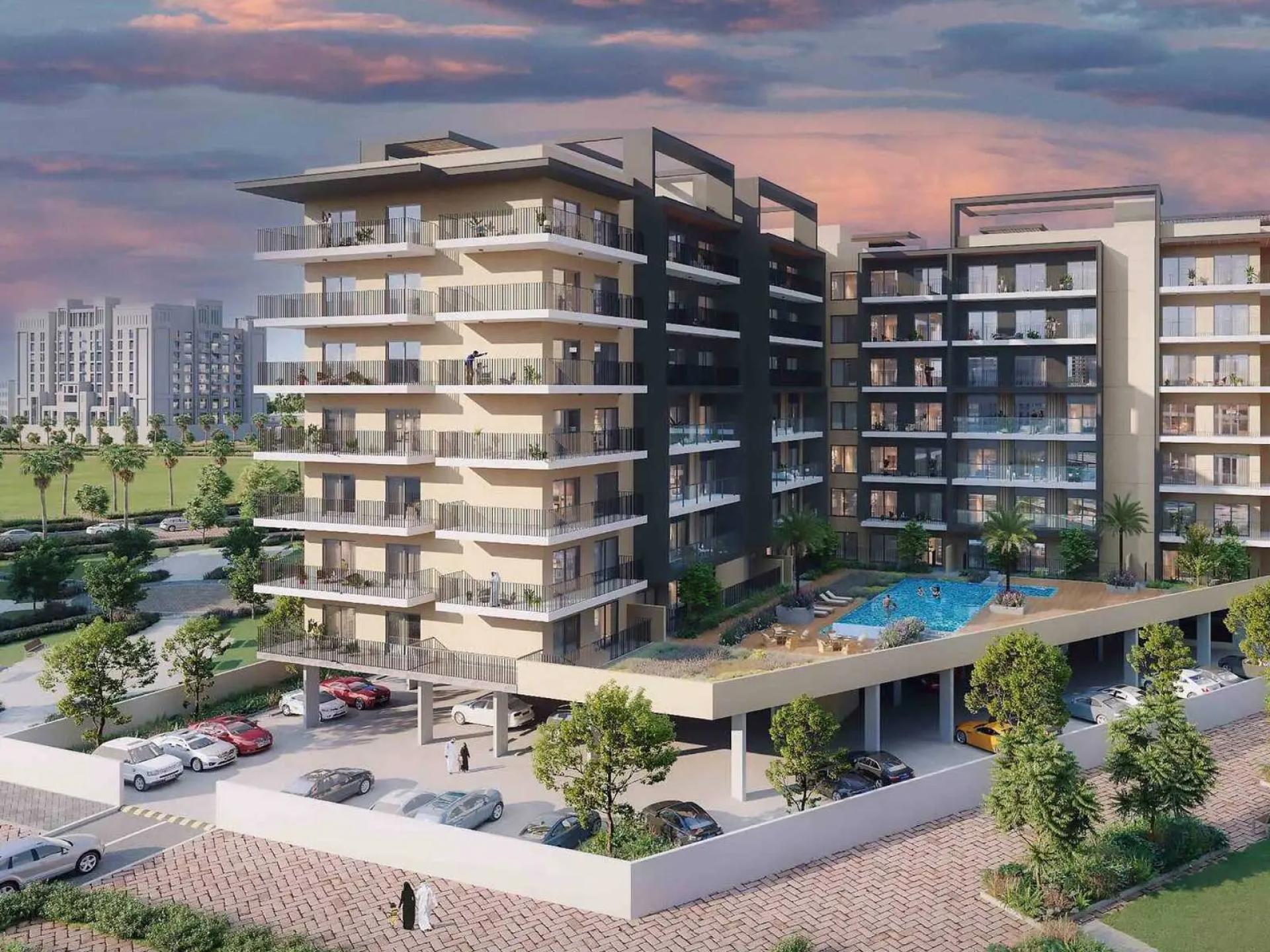
Pressure on urban infrastructure further complicates development efforts. Cities frequently struggle with traffic congestion, limited parking, and overburdened utility networks. Apartment projects must therefore be designed to align with existing infrastructure or incorporate solutions such as basement parking, optimized circulation systems, and energy-saving technologies.
Despite these challenges, urban apartment development offers substantial opportunities. A major growth area is the increasing preference for luxury and lifestyle-oriented residences. Today’s buyers value amenities such as fitness centers, shared workspaces, green zones, and smart home features. This trend has strengthened demand for premium apartment developers in GCC capable of delivering high-quality living experiences in prime urban locations.
Sustainable development also represents a strong opportunity. Eco-friendly construction methods, energy-efficient designs, and sustainable materials appeal to environmentally aware buyers while reducing long-term operational costs. Such developments often achieve higher market value and investor interest.
Additionally, technology adoption is transforming urban residential projects. Smart building systems, digital property management, and modern construction techniques enhance efficiency, lower expenses, and improve resident comfort. Developers who embrace these advancements are better positioned for long-term success.
In essence, urban apartment development requires a strategic balance between overcoming constraints and embracing innovation. By addressing challenges effectively and capitalizing on emerging trends, the top apartment developers in UAE continue to create dynamic, sustainable urban communities designed for the future.