
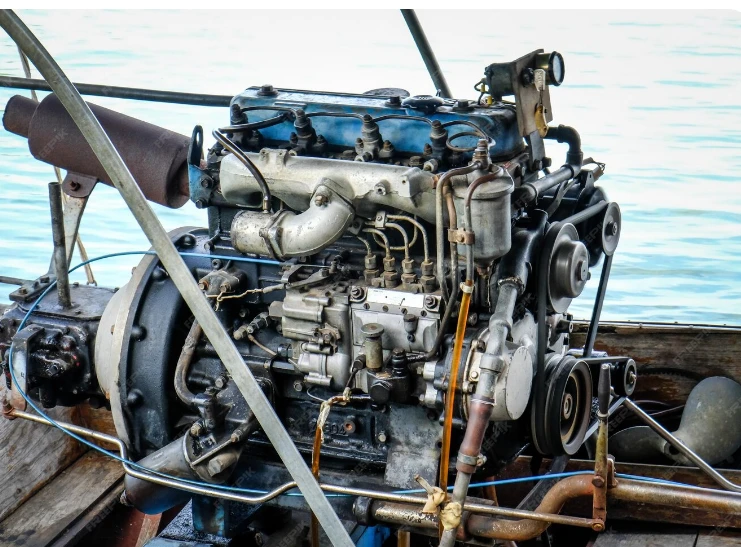
Marine transportation has played a major role in the global economy for centuries. This stays the same in the present as well. Marine routes handle nearly 80–90% of international trade. It is, in fact, one of the most cost-effective and efficient ways to transport goods across continents.
Regardless, transportation in the marine industry is not without challenges. Especially the harsh weather conditions, high waves, and long operating hours make it difficult to maintain safety and efficiency. That is why the demand for high-performance marine commercial engines has increased over the years.
This article explores the challenges in the ocean, the advantages of durable marine engines, and the features engines should have:
The Challenges Mariners Face at Sea
Operating in the open sea is not the same as running a truck on the highway. One moment everything is fine, and the next you will find yourself in a really dangerous situation. Let’s take a look at the everyday challenges mariners face:
Unpredictable Weather and Rough Seas
Storms, high waves, and sudden changes in weather can put tremendous strain on a vessel. So, it becomes very important to look for powerful engines that work smoothly in these conditions without faltering.
Long Operational Hours
Commercial vessels often run non-stop for weeks or even months. So, you need an engine that delivers consistent performance without overheating or breaking down.
Heavy Loads and High Fuel Consumption
Cargo ships carry thousands of tons of goods. These can increase the fuel consumption. So, mariners search for marine commercial engines that not only provide high torque but also fuel efficiency to keep operational costs in check.
Safety and Emergency Situations
Breakdowns are always a hassle. But when it occurs in the middle of the ocean, it becomes life-threatening.
Maintenance and Downtime Issues
Frequent breakdowns or the need for intensive maintenance can delay voyages, increase costs, and compromise the credibility of shipping companies.
How a Strong Marine Commercial Engine Helps
A powerful marine commercial engine helps operators in various ways, including:
- Withstands Harsh Conditions: Marine engine manufacturers especially design these engines to endure high pressure and continuous strain. The engines are made of high-quality corrosion resistant materials that can withstand exposure to constant salt water and extreme conditions.
- Delivers Reliability: A reliable engine means fewer breakdowns. You don’t have to worry about unpredictable maintenance, and you can meet the deadline with ease. This also increases trust with clients.
- Improves Operational Efficiency: Engines that consume less fuel per nautical mile bring down operational expenses significantly.
- Enhances Safety: When situations are hard and help is far away, a robust marine commercial engine gives a sense of safety to the marine crew. These engines ensure that the vessels maintain speed and maneuverability when it matters most.
Advantages of a High-Performance Marine Engine
A high-performance engine doesn’t just run smoothly without breaking down; it also has several advantages, such as:
Save on Fuel Cost
High-performing marine commercial engines usually consume less fuel. These engines optimize combustion and power output, which reduces fuel consumption without compromising speed. When you consider the long hours the machines will operate, it will reduce your fuel cost massively.
Greater Power-to-Weight Ratio
When you are running a commercial vessel, the more space you have to carry commodities, the higher the profit. Modern engines are engineered to deliver more power while occupying less space. This allows ships to carry heavier loads without sacrificing efficiency.
Comply with emission laws
Global regulation, such as the IMO (International Maritime Organization), demands that marine vessels reduce pollution. Modern marine commercial engines are designed to comply with these demands.
Lower Downtime and Maintenance
Durable components and smart design reduce wear and tear. With fewer breakdowns and easier servicing, vessels spend more time moving cargo and less time at dockyards.
Extended Engine Life
When you choose a high-performance engine, it comes with superior cooling systems, corrosion-resistant materials, and advanced lubricating mechanisms. These extend the life of marine engines, making them a more profitable long-term investment.
Exclusive Features a High-Performance Marine Commercial Engine Should Have
- Turbocharging and Advanced Fuel Injection systems maximize fuel efficiency. These systems make sure the engine delivers consistent power even under heavy loads.
- High-performance models are often manufactured with marine-grade alloys and coatings. This is especially helpful to withstand corrosion, since the machines are in constant exposure to saltwater, rain, and air.
- Long voyages and high workloads generate immense heat. That is why modern engines come with advanced cooling systems to ensure the engine runs at optimal temperatures, which prevents overheating.
- Digital monitoring systems provide real-time performance data, fuel consumption reports, and predictive maintenance alerts. This reduces surprise breakdowns and increases reliability.
- Excessive noise and vibration cause discomfort for the crew and wear down engine parts. High-quality engines are designed to minimize these factors.
- High Torque at Low RPM is a feature that allows vessels to push heavy loads at lower speeds without wasting fuel. It is very important for cargo carriers and fishing vessels.
Final Thoughts
The ocean is vast. When a vessel is set to be out on the ocean, it becomes very important that it has a powerful and high-performing marine commercial engine. Because that is how you can maintain the safety of your crew while also maintaining efficiency and reducing the chance of sudden breakdown.
FAQs
Q.1. How can a high-performance engine save me money when fuel prices keep rising?
Modern marine engines optimize combustion and deliver high torque at lower RPM, which reduces fuel consumption per nautical mile. Over long voyages, this significantly lowers operational fuel costs.
Q.2. How does engine performance affect cargo delivery deadlines?
Unreliable engines may cause breakdowns, forcing unplanned downtime at dockyards. A high-performance marine commercial engine ensures consistent operation over long hours, helping vessels stay on schedule and maintain credibility with clients.
Q.3. Do advanced engines require more maintenance?
Not necessarily. While older engines often face frequent repairs, modern engines come with predictive digital monitoring systems. These provide real-time performance insights and alert operators before small issues become major problems, reducing downtime.
Q.4. Is it worth upgrading an older vessel with a new high-performance engine?
Yes. Upgrading ensures compliance with new emission laws, reduces fuel costs, and enhances safety. In the long run, the investment pays off by lowering operational expenses and extending the vessel’s service life.