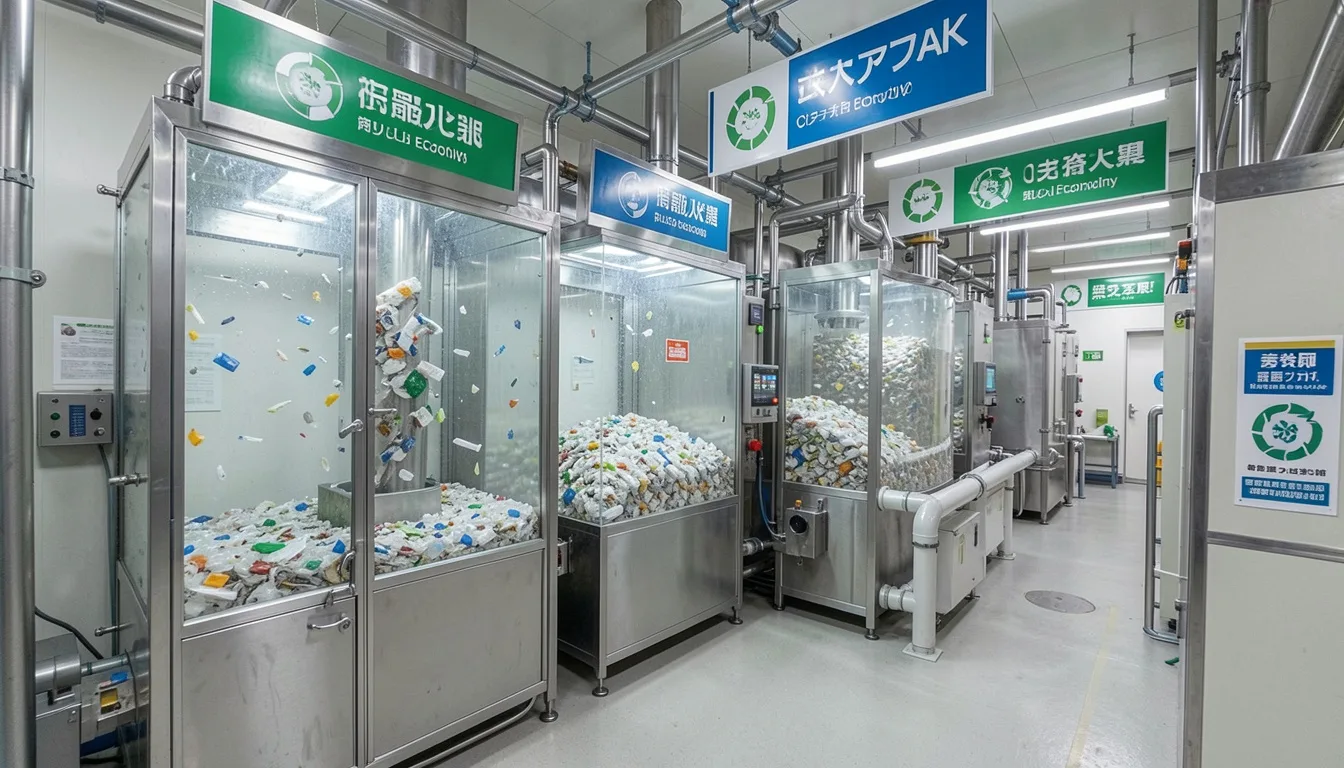
According to Dimension Market Research, The Japan Recycled Ocean Plastics Market is emerging as a vital segment within the country’s sustainability and environmental management landscape. As concerns surrounding marine pollution continue to intensify, the adoption of recycled ocean plastics is gaining momentum across packaging, consumer goods, automotive, textiles, and industrial applications. The Japan Recycled Ocean Plastics Market reflects the nation’s commitment to reducing plastic waste, protecting marine ecosystems, and advancing circular economy principles.
Japan has long been recognized for its strong environmental awareness and efficient waste management systems. However, increasing attention toward ocean pollution and plastic leakage has prompted both public and private stakeholders to invest in innovative recycling technologies and sustainable material solutions. Recycled ocean plastics are increasingly being incorporated into product manufacturing as organizations seek environmentally responsible alternatives to virgin plastic materials.
The market is also benefiting from evolving consumer preferences, corporate sustainability commitments, and government regulations designed to reduce environmental impact. As awareness of marine conservation grows, demand for recycled ocean plastic products is expected to strengthen steadily over the coming decade.
Market Overview
The Japan Recycled Ocean Plastics Market is projected to reach USD 100 million in 2025 and is expected to grow steadily to USD 200 million by 2034, registering a compound annual growth rate (CAGR) of 8.1% during the forecast period.
This growth is being driven by increasing environmental regulations, expansion of circular economy initiatives, rising demand for sustainable packaging, advancements in marine waste recycling technologies, and growing adoption of eco-friendly materials across multiple industries.
As businesses and consumers continue prioritizing sustainability, recycled ocean plastics are expected to play a growing role in Japan’s material sourcing and manufacturing ecosystem.
Download a Complimentary PDF Sample Report:
https://dimensionmarketresearch.com/request-sample/japan-recycled-ocean-plastics-market/
Understanding Recycled Ocean Plastics
Recycled ocean plastics refer to plastic materials collected from oceans, coastlines, rivers, ports, and marine environments that are processed and converted into reusable raw materials.
These materials are subsequently used to manufacture:
- Sustainable packaging
- Consumer products
- Automotive components
- Textile fibers
- Household goods
- Industrial products
By transforming marine waste into valuable resources, recycled ocean plastics help reduce environmental pollution while supporting resource conservation efforts.
Importance of Ocean Plastic Recycling
Reducing Marine Pollution
Ocean plastic pollution remains one of the most significant environmental challenges globally.
Recycling ocean plastics helps:
- Remove waste from marine ecosystems
- Protect aquatic biodiversity
- Improve coastal environments
- Reduce microplastic contamination
These benefits contribute directly to long-term environmental sustainability.
Supporting Circular Economy Goals
Japan continues to promote circular economy principles focused on minimizing waste and maximizing resource utilization.
Recycled ocean plastics support these objectives by:
- Extending material lifecycles
- Reducing landfill dependence
- Conserving natural resources
- Encouraging responsible consumption
Lowering Carbon Footprints
Using recycled materials often requires less energy compared to producing virgin plastics.
As a result, recycled ocean plastics can help manufacturers reduce greenhouse gas emissions and support broader climate goals.
Key Market Growth Drivers
Rising Environmental Regulations
Government agencies continue implementing stricter environmental policies to address plastic pollution and waste management challenges.
These regulations encourage businesses to:
- Increase recycled content usage
- Improve waste collection systems
- Reduce plastic leakage
- Adopt sustainable manufacturing practices
Regulatory support remains a major growth driver for the market.
Growing Consumer Demand for Sustainable Products
Consumers are becoming increasingly conscious of environmental issues and product sustainability.
Many buyers now actively seek products made from:
- Recycled materials
- Sustainable packaging
- Environmentally friendly resources
This shift in purchasing behavior is encouraging manufacturers to incorporate recycled ocean plastics into their product portfolios.
Corporate Sustainability Commitments
Companies across various industries are setting ambitious sustainability targets.
Many organizations are focusing on:
- Plastic reduction initiatives
- Circular economy programs
- Sustainable sourcing strategies
- Carbon footprint reduction
These commitments are driving greater adoption of recycled ocean plastic materials.
Advancements in Recycling Technologies
Technological innovations are improving the efficiency and quality of ocean plastic recycling processes.
Modern recycling solutions enable:
- Enhanced material recovery
- Improved sorting accuracy
- Better contamination removal
- Higher-quality recycled outputs
These advancements are increasing market viability and commercial adoption.
Emerging Market Trends
Sustainable Packaging Adoption
Packaging remains one of the largest application areas for recycled ocean plastics.
Brands are increasingly introducing:
- Recycled plastic bottles
- Sustainable food containers
- Eco-friendly packaging materials
- Recyclable shipping solutions
Growing demand for sustainable packaging continues to support market expansion.
Increased Collaboration Across Supply Chains
Organizations are forming partnerships to strengthen ocean plastic collection and recycling initiatives.
These collaborations involve:
- Manufacturers
- Recycling companies
- Environmental organizations
- Retailers
- Logistics providers
Partnership-based approaches are helping scale recycling efforts more effectively.
Product Innovation Using Recycled Ocean Plastics
Manufacturers are developing innovative products using recycled marine plastics.
Examples include:
- Footwear
- Apparel
- Consumer electronics
- Furniture
- Automotive interiors
These innovations are increasing awareness and creating new commercial opportunities.
Digital Traceability Solutions
Companies are increasingly utilizing digital technologies to track recycled materials throughout supply chains.
Traceability systems improve:
- Transparency
- Quality assurance
- Sustainability reporting
- Consumer trust
Market Opportunities
Expansion of Eco-Friendly Packaging Markets
As sustainability regulations become stricter, demand for environmentally responsible packaging solutions is expected to increase significantly.
Recycled ocean plastics offer an attractive material alternative for packaging manufacturers.
Growth in Consumer Goods Applications
Consumer product manufacturers are increasingly incorporating recycled ocean plastics into:
- Personal care products
- Household goods
- Fashion accessories
- Sports equipment
This diversification is expanding market opportunities.
Automotive Industry Adoption
Japan’s automotive sector is actively exploring sustainable materials to improve environmental performance.
Recycled ocean plastics may be used in:
- Interior components
- Trim materials
- Storage compartments
- Decorative elements
Growing adoption within the automotive industry represents a promising growth avenue.
Export Opportunities
Japan’s expertise in recycling technologies and sustainable manufacturing may support future export opportunities for recycled ocean plastic materials and products.
Market Challenges
Collection and Recovery Complexity
Collecting plastics from marine environments can be challenging and resource-intensive.
Factors affecting collection efforts include:
- Geographic dispersion
- Material contamination
- Weather conditions
- Logistics constraints
Material Quality Variability
Ocean plastics are often exposed to environmental degradation, making quality consistency a challenge.
Advanced processing technologies are necessary to maintain product standards.
High Processing Costs
Recycling ocean plastics generally requires additional cleaning, sorting, and treatment processes compared to conventional recycling.
These requirements can increase production costs.
Supply Chain Limitations
Ensuring a reliable and scalable supply of recovered ocean plastics remains an important challenge for market participants.
Competitive Landscape
The Japan Recycled Ocean Plastics Market is characterized by increasing investment in recycling infrastructure, sustainable material innovation, and environmental partnerships.
Industry participants are focusing on:
- Recycling technology development
- Sustainable packaging solutions
- Material quality improvements
- Circular economy integration
- Strategic collaborations
- Environmental certification programs
Companies are continuously expanding their sustainability initiatives to meet growing market demand.
Purchase the report for comprehensive details:
https://dimensionmarketresearch.com/checkout/japan-recycled-ocean-plastics-market/
Regional Analysis
Coastal Regions Driving Market Activity
Japan’s extensive coastline and strong maritime economy position coastal regions as key contributors to recycled ocean plastic collection and processing activities.
Major coastal areas benefit from:
- Access to marine waste recovery programs
- Advanced recycling infrastructure
- Strong environmental initiatives
- Collaboration between public and private sectors
These factors support ongoing market development throughout the country.
Urban Manufacturing Centers
Large industrial and manufacturing hubs are increasingly utilizing recycled ocean plastics in product development and packaging applications.
These regions benefit from:
- Advanced production capabilities
- Strong consumer demand
- Sustainability-focused corporate strategies
- Established supply chain networks
Urban centers continue to drive adoption across multiple end-use industries.
Future Regional Development
As recycling infrastructure expands and collection systems improve, broader regional participation is expected to strengthen market growth across Japan.
Future Outlook
The future of the Japan Recycled Ocean Plastics Market remains highly promising as sustainability becomes a central priority for businesses, consumers, and policymakers.
Key growth factors expected to influence the market include:
- Increasing environmental regulations
- Expansion of circular economy initiatives
- Growing demand for sustainable packaging
- Advancements in recycling technologies
- Rising consumer awareness
- Greater corporate sustainability investments
As Japan continues to strengthen its environmental leadership and waste management capabilities, recycled ocean plastics are expected to become an increasingly important component of the country's sustainable materials ecosystem.
Frequently Asked Questions (FAQs)
1. What are recycled ocean plastics?
Recycled ocean plastics are plastic materials recovered from oceans, coastlines, rivers, and marine environments that are processed into reusable raw materials for manufacturing.
2. What is driving growth in the Japan Recycled Ocean Plastics Market?
Key drivers include environmental regulations, circular economy initiatives, rising consumer demand for sustainable products, and advances in recycling technologies.
3. What is the projected market size by 2034?
The market is expected to grow from USD 100 million in 2025 to approximately USD 200 million by 2034 at a CAGR of 8.1%.
4. Which industries use recycled ocean plastics?
Major industries include packaging, consumer goods, automotive, textiles, electronics, and industrial manufacturing.
5. Why are recycled ocean plastics important?
They help reduce marine pollution, support resource conservation, lower environmental impact, and promote sustainable manufacturing practices.
Key Insights Summary
The Japan Recycled Ocean Plastics Market is projected to expand from USD 100 million in 2025 to USD 200 million by 2034, growing at a CAGR of 8.1%. Increasing environmental regulations, circular economy initiatives, sustainable packaging demand, and advances in marine waste recycling technologies are driving market growth. The market is benefiting from strong corporate sustainability commitments and rising consumer awareness regarding ocean conservation. As Japan continues to invest in sustainable resource management and environmental innovation, recycled ocean plastics will play an increasingly important role in supporting a cleaner and more circular economy.