Exploring the "Golden City" of Rajasthan is a journey through time where every sandstone brick tells a tale of valor, trade, and artistic brilliance. For travelers with a tight schedule, a professional Jaisalmer tour Operator can curate an immersive experience that captures the soul of this desert jewel in just a few hours. This guide explores the must-visit landmarks that define the historical and cultural landscape of Jaisalmer, ensuring you don't miss the essence of the Thar Desert’s most iconic settlement.
The Living Fort: A Citadel Like No Other
Your journey into the past begins at the Jaisalmer Fort, a UNESCO World Heritage site and one of the very few "living forts" left in the world. Unlike other historical monuments that serve merely as museums, this 12th-century marvel is home to nearly a quarter of the old city's population. Built by Rawal Jaisal in 1156 AD on Trikuta Hill, the fort was a strategic powerhouse along the ancient Silk Route. As you navigate the narrow, winding alleys, you'll encounter the Raj Mahal, where the echoes of royal lineage still resonate. The fort’s unique yellow sandstone walls earn it the name Sonar Quila or Golden Fort, as they transform into a brilliant honey hue under the desert sun. Inside, the intricate Jain Temples, built between the 12th and 15th centuries, showcase Dilwara-style architecture with carvings so delicate they resemble lace rather than stone.
Architectural Grandeur of the Patwa Merchants
Just a short walk from the fort's massive gates lies the architectural pride of Jaisalmer’s merchant class: Patwon Ki Haveli. This isn't just one house, but a cluster of five separate mansions built by a wealthy trader, Guman Chand Patwa, for his five sons in the early 1800s. To make your transit between these heritage sites seamless, many visitors opt for a reliable Jaisalmer taxi service to navigate the busy streets comfortably. The havelis are famous for their gold-colored facades, ornate jharokhas (balconies), and exquisite stonework that reflects the immense wealth accumulated through the trade of gold and silver threads. Walking through these halls provides a deep dive into the 19th-century lifestyle of the elite, complete with wall paintings, mirror work, and artifacts that have survived the test of time.
Gadisar Lake: The Spiritual Heart of the Desert
A half-day tour would be incomplete without a visit to the serene Gadisar Lake. Once the only source of water for the entire city, this man-made reservoir was constructed by Maharawal Gadsi Singh in the 14th century. Today, it serves as a peaceful retreat surrounded by small temples and shrines. The entrance is marked by the magnificent Tilon Ki Pol, a sandstone gateway commissioned by a royal courtesan. The lake is particularly enchanting during the early morning or late afternoon, when the reflection of the surrounding chhatris (cenotaphs) dances on the water’s surface. It is a hub for local culture where you might spot migratory birds or witness local musicians playing traditional Rajasthani instruments on the ghats.
Planning Your Perfect Jaisalmer Half-Day Tour
Efficiency is key when you have limited time to witness the grandeur of Jaisalmer. A Jaisalmer Half-Day Tour typically focuses on the city's inner core, allowing you to experience the fort, the havelis, and the lake without the rush of a full-day itinerary. This compact schedule is ideal for those who want to balance historical exploration with a sunset experience at the sand dunes later in the evening. Most guided tours start around 9:00 AM to beat the midday heat, or in the late afternoon to conclude with the golden hour views that make the city live up to its name.
Cultural Insights and Local Flavors
Beyond the stone and mortar, Jaisalmer’s culture is found in its vibrant markets and traditional crafts. Between sightseeing stops, take a moment to explore the local bazaars like Manak Chowk. Here, you can find authentic Rajasthani textiles, leather goods made from camel hide, and intricate silver jewelry. Sampling a glass of local Makhaniya Lassi or tasting Pyaaz Kachori at a street stall adds a sensory layer to your historical journey. The interaction with local artisans, whose families have lived within these walls for generations, offers an authentic perspective that no history book can replicate.
Practical Tips for Travelers
When embarking on a short tour of Jaisalmer, comfort and preparation are essential. Since most of the historic sites require a fair amount of walking through cobbled streets and narrow lanes, wearing sturdy, comfortable footwear is a must. The Rajasthan sun can be intense even in the winter months, so carrying a hat, sunglasses, and a bottle of water is highly recommended. To truly appreciate the history, hiring a local guide who can share the legends of the Bhati Rajputs and the mysteries of abandoned villages like Kuldhara can significantly enrich your experience.
Why a Half-Day Experience Works
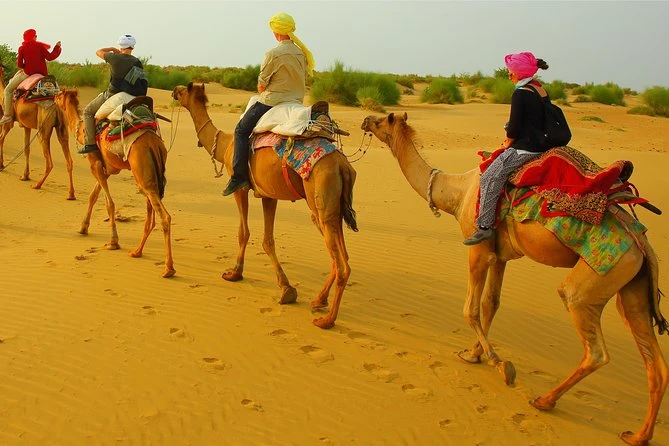
While Jaisalmer has enough history to fill a week, a half-day focus allows you to see the "must-see" highlights with depth rather than breadth. It gives you the morning to explore the structural wonders and the afternoon to relax or head out into the Thar Desert for a camel safari. This balance ensures that you leave the city feeling inspired by its past rather than exhausted by its geography. Jaisalmer remains a testament to human resilience and artistic ambition in the heart of one of the world's harshest environments.