Exploring the vibrant royal heritage of Jaipur alongside the serene spiritual atmosphere of Pushkar creates one of the most rewarding travel circuits in northern India. Situated roughly 145 kilometers apart via the NH-48 highway, these two iconic destinations offer contrasting yet complementary cultural experiences. Whether you are planning a quick weekend getaway or an extended cultural expedition, partnering with a seasoned tour operator in Rajasthan helps ensure smooth intercity transfers, accurate monument timings, and authentic local insights.
At Rajasthan Yatra, our ground coordinators and local chauffeurs regularly guide travelers along this classic route. Based on firsthand on-road logistics and seasonal crowd patterns, combining Jaipur's architectural grandeur with Pushkar's sacred ghats requires smart pacing—starting early at hill forts before daytime temperatures rise and reserving twilight hours for lakeside rituals.
Top Must-Visit Sightseeing Places in Jaipur
Known globally as the Pink City, Jaipur was founded in 1727 by Maharaja Sawai Jai Singh II and designed according to the ancient principles of Vastu Shastra. The city's historic core and surrounding Aravalli hills showcase centuries of Rajput craftsmanship and astronomical innovation.
Amer Fort and Palace
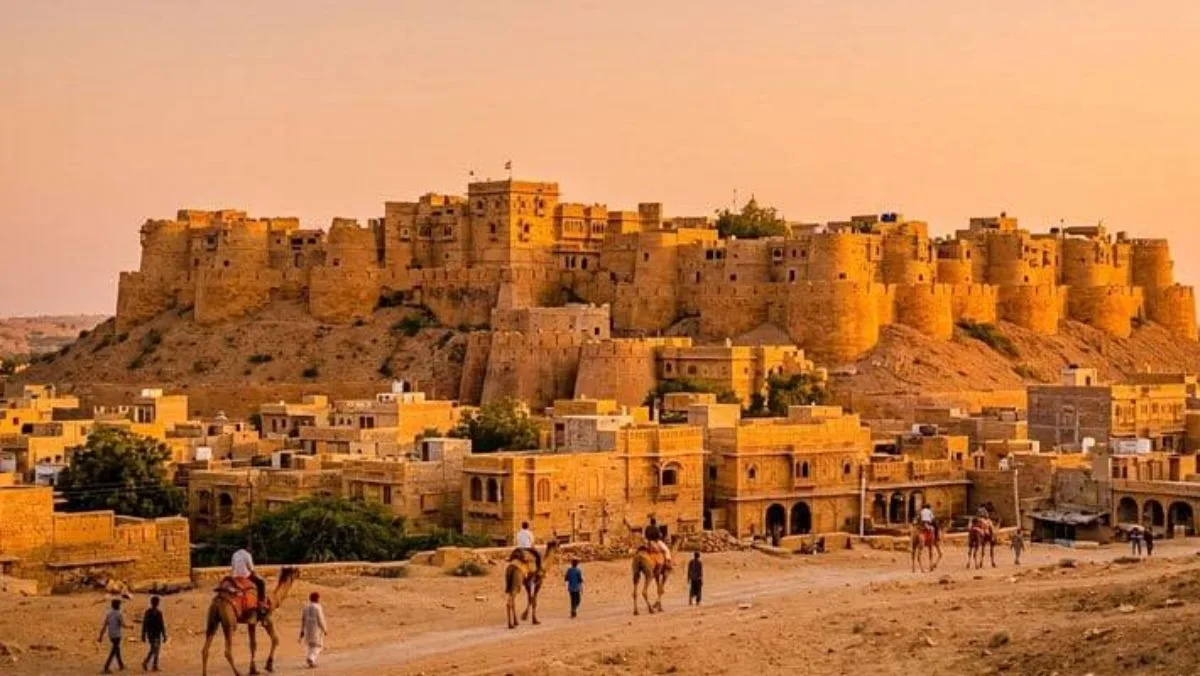
Perched high on a rocky hill overlooking Maota Lake, Amer Fort is an essential stop for any Jaipur itinerary. Built from pale yellow and pink sandstone alongside white marble, the complex features expansive courtyards, the ornate Ganesh Pol gateway, and the dazzling Sheesh Mahal (Mirror Palace). Arriving right at opening time around 8:00 AM allows visitors to explore the intricate mirror-work halls in cool morning light before tour buses fill the main courtyard.
Hawa Mahal (Palace of Winds)
Standing prominently in the heart of the old walled city, Hawa Mahal is a five-story honeycomb facade constructed in 1799 by Maharaja Sawai Pratap Singh. Its 953 small lattice windows, known as jharokhas, allowed royal women to observe street processions while remaining unseen and kept the interior cool through natural air circulation. Visiting from the street side during early morning provides the clearest golden sunlight on the red and pink sandstone facade.
City Palace and Jantar Mantar
Located steps away from Hawa Mahal, the City Palace remains a living royal residence housing museums filled with royal textiles, historic weaponry, and the famous giant silver urns in Sarvatobhadra Chowk. Adjacent to the palace gates lies Jantar Mantar, a UNESCO World Heritage site housing nineteen monumental stone astronomical instruments, including the Samrat Yantra, the world's largest stone sundial. Hiring a government-approved guide at Jantar Mantar transforms these geometric structures from abstract sculptures into precise timekeeping and celestial tracking tools.
Nahargarh Fort and Local Bazaars
For panoramic sunset views stretching across the entire Pink City, Nahargarh Fort sits along the edge of the Aravalli hills. Afterward, descending into Johari Bazaar and Bapu Bazaar introduces travelers to traditional Kundan jewelry, block-printed textiles, and handcrafted mojari footwear.
Essential Spiritual and Cultural Attractions in Pushkar
A scenic two-and-a-half-to-three-hour drive southwest from Jaipur leads through Kishangarh and over the winding Nag Pahar hills into Pushkar. Encircled by sand dunes and hills, this ancient temple town operates at a distinctly tranquil rhythm. Travelers booking a curated Jaipur city tour with Pushkar can comfortably cover these major landmarks within a well-paced day or overnight stay.
Pushkar Lake and the 52 Ghats
Pushkar Lake forms the spiritual center of the town, bordered by 52 stone bathing ghats where pilgrims gather for ritual purification. Walking barefoot along the marble steps at Varaha Ghat or Gau Ghat during dusk reveals the evening Maha Aarti, where priests chant hymns and floating oil lamps illuminate the calm water. Visitors should dress modestly covering shoulders and knees, remove footwear before stepping onto the ghats, and avoid photography near active bathing areas.
Jagatpita Brahma Mandir
Located a short walk from the main lakefront, the Brahma Temple is one of the very few temples in the world dedicated to Lord Brahma, the creator deity in Hindu tradition. Recognizable by its red spire and white marble steps inlaid with silver coins offered by devotees, the temple typically closes during midday between 1:30 PM and 3:00 PM, making morning or late afternoon visits ideal.
Savitri Mata Temple on Ratnagiri Hill
Rising behind the Brahma Temple, Ratnagiri Hill is crowned by the Savitri Mata Temple. Travelers can either climb the stone staircase or take the passenger ropeway cable car to reach the summit. From the top, the terrace delivers sweeping 360-degree views over Pushkar Lake, the whitewashed town, and the edge of the Thar Desert—especially memorable at sunrise or sunset.
Rangji Temple and Pushkar Bazaar
Pushkar's main market street runs parallel to the lake and connects several historic shrines, including the Rangji Temple, which blends South Indian Dravidian gopuram architecture with Rajput and Mughal design elements. Along the bustling bazaar lanes, stalls display embroidered textiles, brassware, rosewater products distilled from local Pushkar rose farms, and traditional malpua sweets.
Practical Planning Tips for Your Jaipur and Pushkar Journey
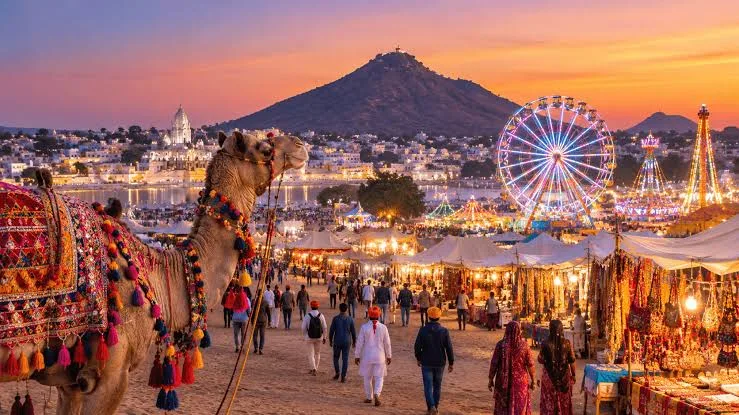
- Best Time to Visit: October through March offers pleasant daytime weather between 15°C and 26°C, ideal for walking fortress ramparts and lakeside ghats. November also hosts the famous Pushkar Camel Fair, though hotels and highway routes experience heavy crowds and require advance reservations.
- Ideal Trip Duration: Allocating two full days for Jaipur's forts and markets plus one overnight stay in Pushkar prevents rushed transit and allows you to experience both sunrise and evening rituals by the lake.
- Smart Budget Management: Booking private chauffeur-driven sedans or shared group itineraries under Rajasthan budget tour packages helps travelers control fuel, toll, and parking expenses while keeping monument schedules flexible.
- Local Etiquette: Always carry small currency denominations for shoe-keeping stalls outside temples, verify government guide badges at major monuments, and stay hydrated when climbing hill forts during afternoon hours.