Jacket Manufacturers in Pakistan: What to Check Before Placing a Bulk Order
Finding the right clothing manufacturer is one of the most important decisions for any fashion business. Whether you operate an established clothing brand, manage a wholesale distribution company, or are launching a new apparel label, choosing a reliable manufacturing partner can directly affect your product quality and business reputation.
Pakistan is an established destination for textile and apparel sourcing. Its manufacturing industry offers opportunities for international buyers looking for custom jackets, private label clothing, and bulk garment production.
However, not every supplier offers the same manufacturing capabilities. Before working with jacket manufacturers in Pakistan, buyers should evaluate several important factors to make an informed decision.
1. Evaluate the Manufacturer's Product Experience
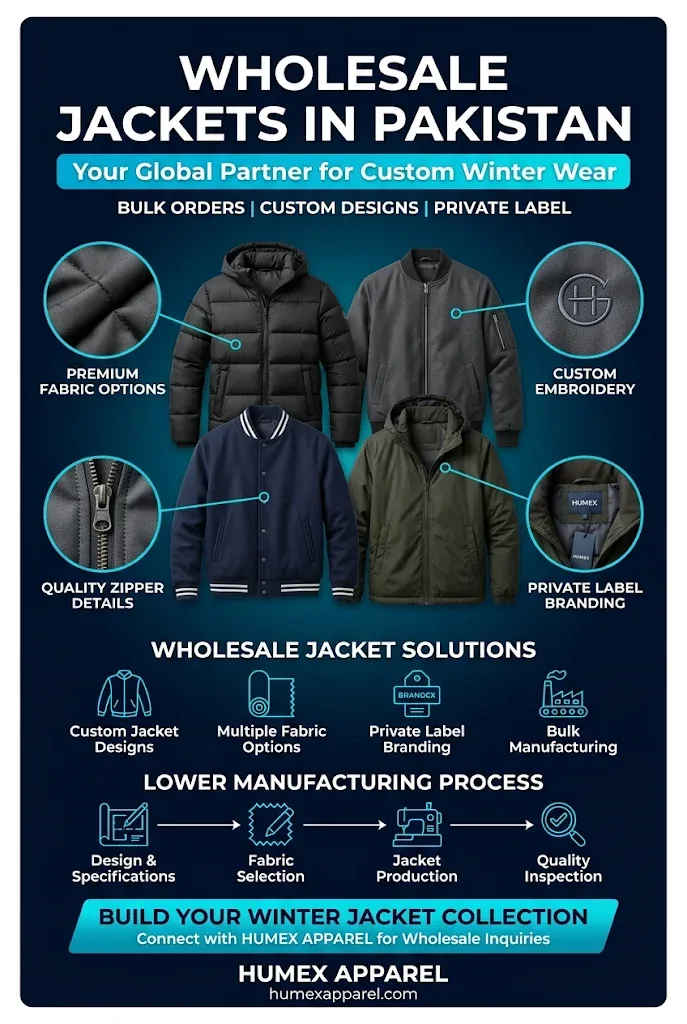
Start by understanding the manufacturer's experience with different jacket styles. Producing a lightweight windbreaker requires different materials and production methods compared with manufacturing a winter puffer or varsity jacket.
Ask the manufacturer which jacket categories it produces and whether it can handle your specific design requirements.
Popular jacket styles include:
- Bomber jackets
- Varsity jackets
- Puffer jackets
- Windbreaker jackets
- Denim jackets
- Custom streetwear jackets
- Sports and outdoor jackets
Reviewing previous product samples or manufacturing portfolios can help you understand the supplier's capabilities.
2. Examine Fabric Quality and Material Options
Fabric quality has a major impact on jacket durability, comfort, and appearance. A manufacturer should be able to explain the available materials and recommend suitable options based on your product requirements.
Common materials include polyester, cotton, nylon, denim, fleece, and blended fabrics.
You should also check the quality of other components, including zippers, buttons, linings, elastic cuffs, stitching, and finishing.
Always request a physical sample before approving a large production order. This allows you to examine the actual product rather than relying only on photographs.
3. Check Customization and Private Label Services
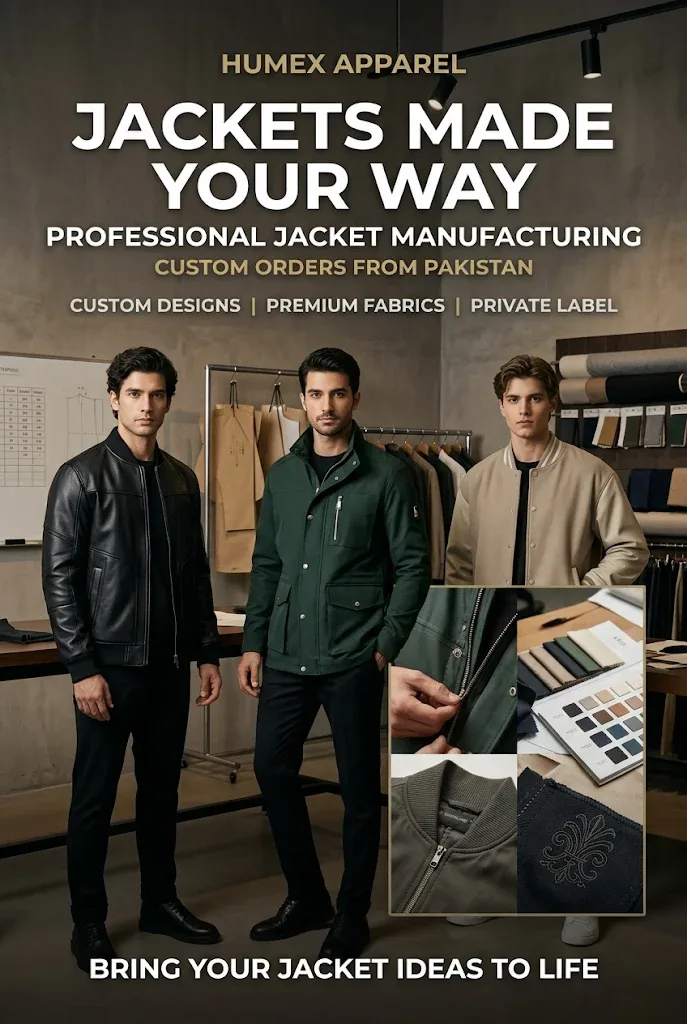
Many international fashion brands prefer custom-designed jackets instead of generic wholesale products. Private label manufacturing allows businesses to sell garments under their own brand names.
Before selecting a supplier, ask whether it supports:
- Custom designs and measurements
- Embroidery and screen printing
- Logo placement and branding
- Custom fabric and color selection
- Woven labels and neck tags
- Private label packaging
A manufacturer with flexible customization options can help your business create distinctive clothing collections.
4. Understand Minimum Order Quantity and Pricing
Minimum order quantity (MOQ) is an important factor when comparing jacket manufacturers in Pakistan.
Some suppliers focus on large wholesale orders, while others may accept smaller custom production runs. Your ideal manufacturer should match your business size and purchasing requirements.
Request a detailed quotation that includes fabric, accessories, stitching, customization, packaging, and other production costs.
Do not select a supplier based only on the lowest quotation. A cheaper product may use lower-quality materials or offer fewer customization options.
5. Verify Production Capacity and Delivery Time
Before placing a bulk order, understand how the manufacturer manages production schedules.
Ask about its estimated production time, available manufacturing capacity, sample approval process, and quality inspection procedures.
If you are ordering seasonal jackets, delivery timing is especially important. Late shipments can affect your inventory planning and sales opportunities.
A professional supplier should communicate realistic timelines and provide updates when necessary.
6. Check Quality Control Procedures
Quality control helps ensure that finished products meet the agreed specifications.
Ask the manufacturer how it checks garments during and after production. Important inspection points include:
- Stitching strength and consistency
- Correct measurements and sizing
- Fabric defects and color consistency
- Zipper and button functionality
- Printing and embroidery quality
- Final garment finishing
For international buyers, agreeing on product specifications and inspection requirements before production can prevent unnecessary disputes.
7. Consider Sourcing from Sialkot, Pakistan
Sialkot is recognized for its sports goods, textile, and apparel manufacturing industries. Buyers exploring jacket manufacturers in Pakistan may consider suppliers based in this industrial city.
The region has businesses involved in garment production, customization, and export-oriented manufacturing.
However, location alone does not guarantee quality. International buyers should still evaluate each manufacturer's experience, samples, communication, and production standards.
8. Choose a Manufacturing Partner for Long-Term Business
A reliable manufacturer should understand your requirements and provide clear communication throughout the sourcing process.
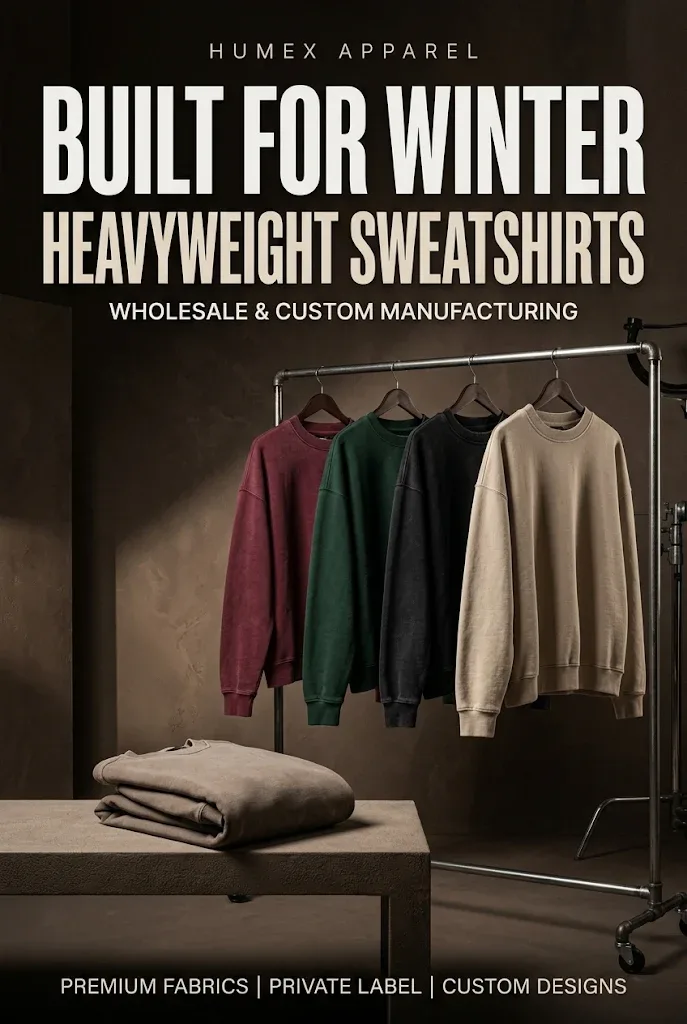
Humex Apparel is a Pakistan-based clothing manufacturer and exporter offering custom apparel solutions for international clothing brands and wholesale buyers. Its product range includes jackets, hoodies, sweatshirts, T-shirts, and streetwear.
Businesses looking for custom apparel manufacturing can visit Humex Apparel to explore its products and manufacturing services.
Final Thoughts
Choosing among jacket manufacturers in Pakistan requires more than comparing prices. Product experience, fabric quality, customization, minimum order quantities, production capacity, and quality control all play important roles in successful sourcing.
Before placing a bulk order, request samples, confirm specifications, and discuss delivery expectations. Taking these steps can help your clothing business find a suitable manufacturing partner and build a more reliable apparel supply chain.