
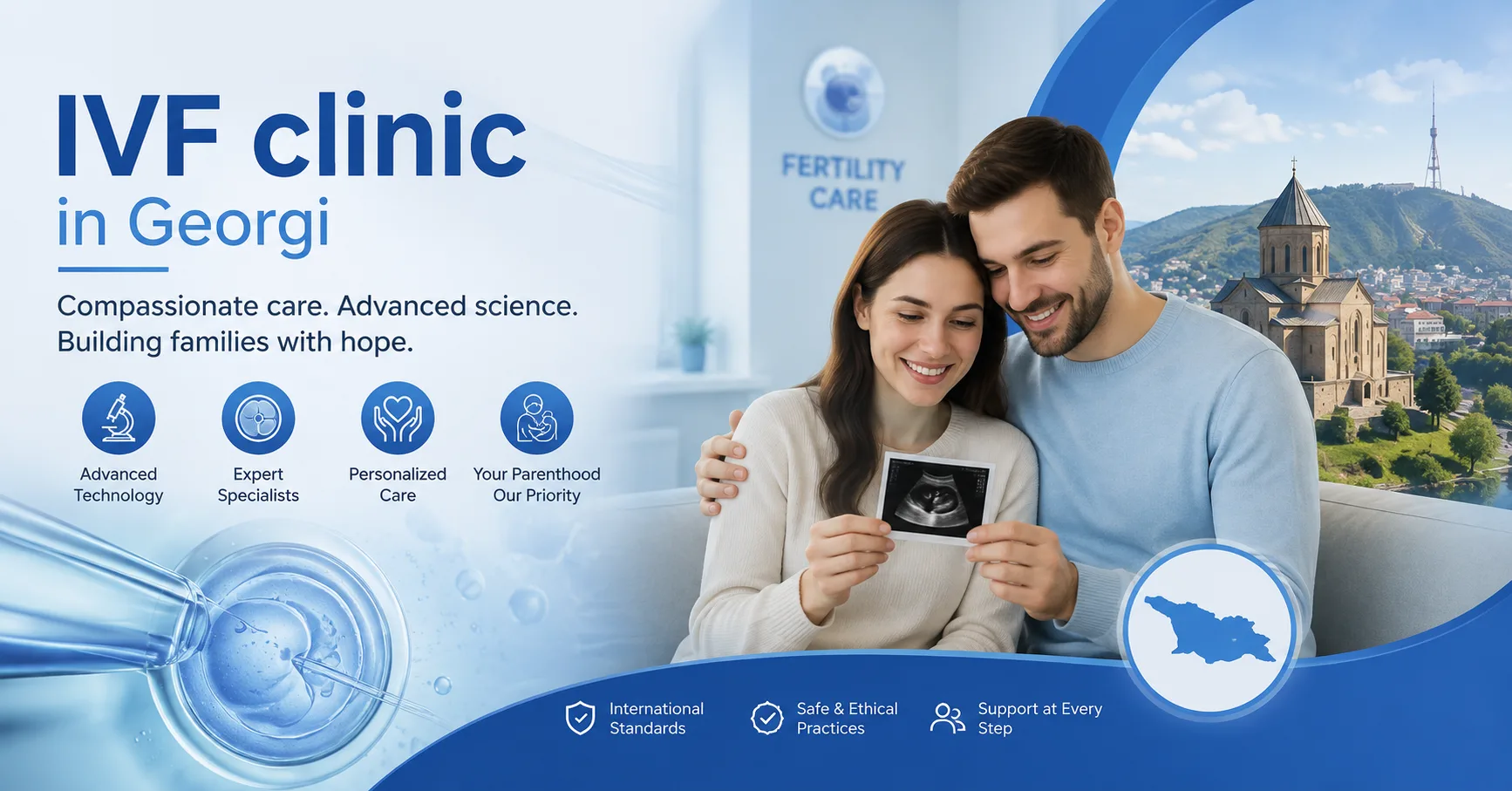
Starting fertility treatment can involve many questions, especially when patients are considering treatment abroad. In vitro fertilization, commonly known as IVF, is an assisted reproductive technology in which eggs are retrieved and fertilized with sperm in a laboratory before an embryo is considered for transfer. Understanding the medical process, preparation, embryo care, and follow up can help individuals and couples approach treatment with clearer expectations.
Fertility care should always be personalized. Factors such as age, reproductive history, ovarian reserve, sperm health, previous treatment, medical conditions, and the reason for seeking assistance can influence the treatment plan. For people considering IVF clinic in Georgia, it is also useful to understand practical arrangements, communication with the medical team, emotional support, and the additional considerations that may arise when donor conception or gestational surrogacy is involved.
Understanding the IVF journey
IVF usually begins with an evaluation designed to understand the reproductive health of the intended parents or genetic contributors. Depending on the circumstances, assessment may include medical history, blood tests, ultrasound, ovarian reserve testing, semen analysis, infectious disease screening, and other investigations considered appropriate by the fertility team.
Once the treatment plan is established, ovarian stimulation may be used to encourage the development of multiple follicles. The response is monitored through appointments and testing, allowing the clinical team to adjust treatment when necessary. Egg retrieval is then performed using a procedure planned by the fertility specialist.
From fertilization to embryo transfer
After retrieval, eggs can be fertilized with sperm in the laboratory. Depending on the treatment plan, fertilization may involve conventional insemination or intracytoplasmic sperm injection, commonly known as ICSI. Embryos are observed as they develop, and suitable embryos may be selected for transfer or cryopreservation.
Embryo transfer is generally performed through a thin catheter placed through the cervix into the uterus. The timing and preparation of the uterine lining depend on the individual treatment plan. Patients should ask their fertility team why a particular transfer approach has been recommended and what follow up will involve.
Medical preparation before treatment
Good preparation begins before medication is started. A detailed review of previous fertility treatment, medical conditions, medications, allergies, surgeries, and reproductive history can help the clinical team understand the patient's circumstances.
Genetic screening may also be considered for genetic contributors, depending on medical history and professional recommendations. ASRM guidance for gestational carrier arrangements includes medical evaluation, genetic screening, infectious disease testing, and psychological counseling where appropriate.
Patients preparing for treatment can also focus on practical habits that support general wellbeing. Taking prescribed medicines correctly, attending monitoring appointments, maintaining balanced nutrition, avoiding smoking, and discussing alcohol or other lifestyle factors with a healthcare professional are sensible steps.
Preparing for treatment in another country
International fertility treatment requires planning beyond medical appointments. Patients may need to organize medical records, understand communication arrangements, plan travel around treatment milestones, and know how follow up will be managed after returning home.
It can be helpful to prepare these points before beginning treatment:
- Keep copies of previous fertility reports, laboratory results, imaging, and medication records.
- Ask the medical team to explain each stage, including monitoring, retrieval, embryo development, and transfer.
- Confirm how urgent medical questions will be handled during and after the treatment period.
- Discuss emotional support, travel planning, and follow up arrangements before starting the cycle.
When gestational surrogacy is considered
Some intended parents may be unable to carry a pregnancy because of medical or reproductive circumstances. Gestational surrogacy involves transferring an embryo created through IVF to a gestational carrier who has no genetic relationship to the child. Professional guidance recommends appropriate medical, psychological, and legal preparation for everyone involved.
People researching a Surrogacy clinic in Georgia should therefore look beyond the basic treatment description and understand how fertility care, embryo preparation, carrier screening, counseling, and legal coordination fit together. Medical decisions should remain under the direction of qualified fertility professionals.
Understanding the role of a gestational carrier
A surrogate mother in Georgia should be discussed in medically appropriate terms as a gestational carrier when the arrangement involves an embryo created through IVF. Screening generally includes medical history, physical assessment, laboratory testing, infectious disease screening, uterine evaluation, and psychosocial counseling. ASRM also recommends legal counseling as part of appropriate gestational carrier arrangements.
The wellbeing and informed decision making of the gestational carrier are important throughout the process. Pregnancy carries its own medical considerations, so expectations, communication, consent, and access to appropriate care should be addressed before embryo transfer.
Emotional wellbeing and family preparation
Fertility treatment can bring excitement as well as uncertainty. Waiting between treatment milestones, managing medical appointments, and considering different outcomes can be emotionally demanding for intended parents.
Counseling can provide a supportive space to discuss expectations and coping strategies. When treatment involves a gestational carrier, psychological support can also help participants understand boundaries, communication, and the emotional aspects of the arrangement. ASRM recommends psychosocial education and counseling for intended parents and gestational carriers in appropriate circumstances.
Legal and practical awareness
Legal requirements surrounding assisted reproduction and surrogacy can depend on the jurisdiction and the specific circumstances of the intended parents. International patients should obtain current advice from a qualified legal professional who understands the applicable laws rather than relying on general online information.
This is particularly important when donor gametes, embryos, gestational carriers, international travel, or parentage documentation are involved. Legal planning should be considered separately from medical decision making so that families understand their responsibilities before treatment progresses.
Making informed fertility decisions
Choosing fertility care should involve careful questions, realistic expectations, and clear communication. Patients can ask about the proposed treatment plan, medical evaluation, embryo handling, monitoring, potential risks, follow up, and which professionals will be responsible for different aspects of care.
Evidence based treatment cannot guarantee a particular outcome. Every fertility journey is different, and a plan that is appropriate for one patient may not be appropriate for another. Personalized assessment remains central to responsible reproductive care.
Moving forward with informed care
An IVF clinic in Georgia may provide access to assisted reproductive treatment, but choosing fertility care should be based on appropriate medical evaluation, clear communication, qualified professional guidance, and thoughtful preparation. Patients considering IVF or gestational surrogacy should understand the treatment process, emotional considerations, practical arrangements, and relevant legal issues before making decisions.
This article is intended for general educational purposes and does not replace personalized medical or legal advice. Anyone considering fertility treatment should discuss their individual circumstances with qualified fertility and legal professionals. With careful preparation and appropriate support, patients can approach their family building journey with greater understanding, confidence, and realistic expectations.