In a digital-first world, where data is more valuable than oil and security breaches make international headlines, organizations can’t afford to cut corners when it comes to protecting sensitive information. Whether you’re a tech startup, an eCommerce brand, or a global enterprise, securing your data isn’t just a responsibility—it’s a strategic advantage.
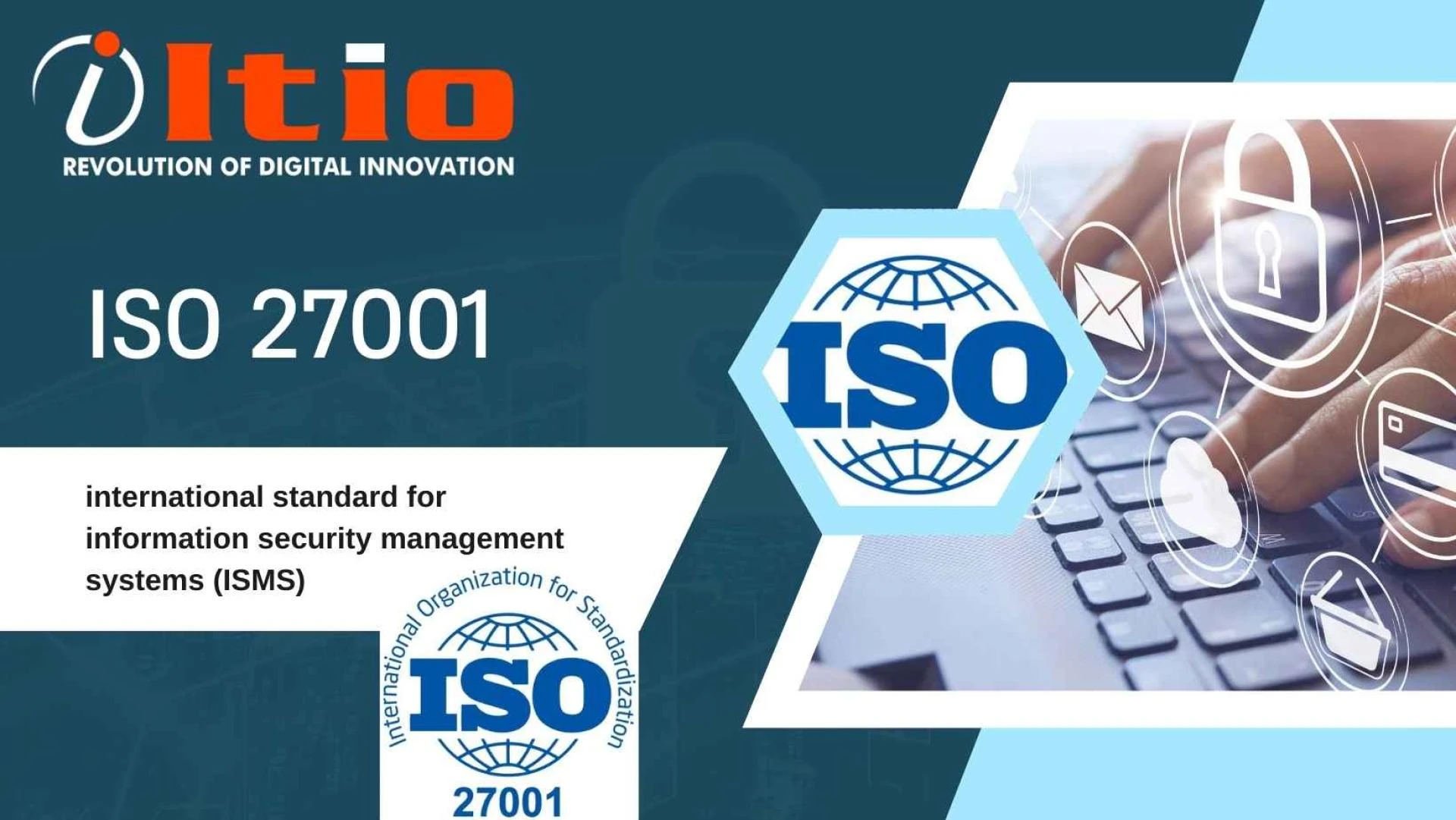
Enter ISO/IEC 27001, the internationally recognized standard for information security management. It's not just a certification; it's a complete framework to help you build, maintain, and continually improve an Information Security Management System (ISMS).
But what does ISO 27001 really mean for businesses? Why is it becoming a must-have rather than a nice-to-have? Let’s explore.
🌐 What Is ISO 27001?
ISO 27001 is a globally recognized standard published by the International Organization for Standardization (ISO) and the International Electrotechnical Commission (IEC). It defines how to manage information security in a structured, effective way.
At the heart of ISO 27001 is the Information Security Management System (ISMS)—a systematic approach to managing sensitive company information so that it remains secure. It covers people, processes, and IT systems through the application of risk management.
💡 Why ISO 27001 Is More Relevant Than Ever
In the past, only big corporations and IT firms focused heavily on cybersecurity standards. Today, the game has changed. Data is everywhere. Every organization—regardless of size or sector—handles sensitive information, whether it’s customer data, financial records, or internal documents.
Here's why ISO 27001 is crucial:
✅ 1. Builds Customer Trust
With increasing awareness of data privacy, customers now ask: “Can I trust you with my data?”
Being ISO 27001 certified says a clear and confident YES.
✅ 2. Minimizes Cyber Risks
By identifying potential threats and creating strategies to mitigate them, businesses can prevent data breaches before they happen.
✅ 3. Enhances Business Reputation
In today’s competitive landscape, security credentials matter. ISO 27001 certification shows your business meets the highest security standards.
✅ 4. Helps Meet Regulatory Requirements
Whether you're trying to comply with GDPR, HIPAA, or industry-specific data laws, ISO 27001 gives you a strong foundation.
🧱 What Does ISO 27001 Cover?
ISO 27001 is built around the Plan-Do-Check-Act (PDCA) model, encouraging continuous improvement:
- Plan – Identify risks and define policies.
- Do – Implement security measures.
- Check – Monitor performance and conduct internal audits.
- Act – Improve based on audit results and feedback.
In addition to management requirements (clauses 4 to 10), ISO 27001 includes Annex A, which outlines 114 security controls across 14 domains such as:
- Access control
- Cryptography
- Physical and environmental security
- Supplier relationships
- Incident management
- Business continuity
These controls aren’t all mandatory—you select based on your organization’s risk profile.
🚀 The Path to Certification
Thinking of getting ISO 27001 certified? Here's a simplified roadmap:
📌 Step 1: Gap Analysis
Assess your current security posture vs. ISO 27001 requirements.
📌 Step 2: Risk Assessment
Identify your information assets and potential threats. Document risks and develop a treatment plan.
📌 Step 3: Build the ISMS
Create policies, controls, and a management framework that reflects your organization's needs.
📌 Step 4: Employee Training
Security awareness is key—everyone in the organization must understand their role.
📌 Step 5: Internal Audit
Test the effectiveness of your ISMS before the formal audit.
📌 Step 6: External Audit
Conducted in two stages by an accredited body:
- Stage 1: Document review
- Stage 2: On-site assessment
📌 Step 7: Certification and Surveillance
Certification lasts three years, with annual surveillance audits to ensure continued compliance.
⚠️ Common Challenges (and How to Overcome Them)
Like any big initiative, implementing ISO 27001 isn’t without hurdles:
- Lack of Resources: Budget, time, and expertise can be limiting.
- Solution: Appoint a dedicated ISO 27001 project manager or hire an external consultant.
- Resistance to Change: Teams may see security processes as a burden.
- Solution: Involve employees early and communicate benefits clearly.
- Complex Documentation: The volume of required documentation can be overwhelming.
- Solution: Use templates and tools to streamline documentation.
🏆 Who Benefits from ISO 27001?
If your business handles any kind of sensitive data, ISO 27001 is for you. Industries where this standard is particularly valuable include:
- Information Technology (IT & SaaS)
- Healthcare
- Finance & Banking
- Government & Defense
- Legal & Consulting
- E-commerce
- Education & Research
📊 ISO 27001 vs. Other Standards
While ISO 27001 focuses on information security, it can complement other standards like:
- ISO 9001 – Quality Management
- ISO 22301 – Business Continuity
- ISO 27701 – Privacy Information Management
- NIST Framework – U.S.-based cybersecurity best practices
An integrated management system can help reduce duplication, streamline processes, and improve overall efficiency.
🧭 Final Thoughts: ISO 27001 Is a Long-Term Investment
In a world increasingly driven by data, being proactive about security isn't just smart—it's essential. ISO 27001 offers a comprehensive, flexible, and effective framework to protect your business and your customers.
And here’s the real secret: ISO 27001 isn’t just about technology—it’s about culture. It encourages companies to shift their mindset from reactive to proactive. From seeing cybersecurity as a cost to viewing it as a catalyst for growth, trust, and competitive edge.
Whether you're looking to secure your data, win new business, or build customer trust—ISO 27001 helps you get there.
So, what are you waiting for? The path to smarter, safer, and more secure operations starts now.