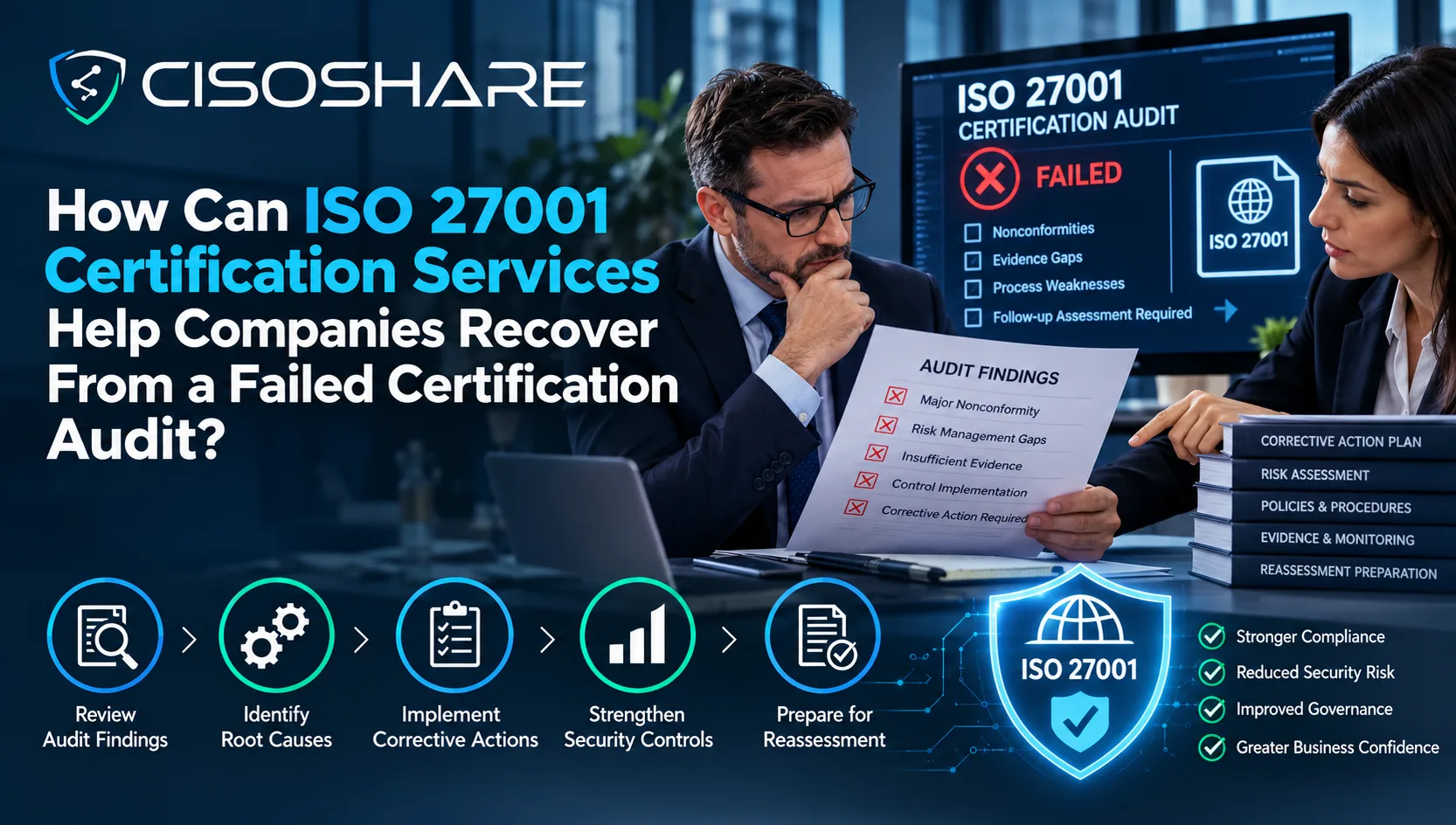
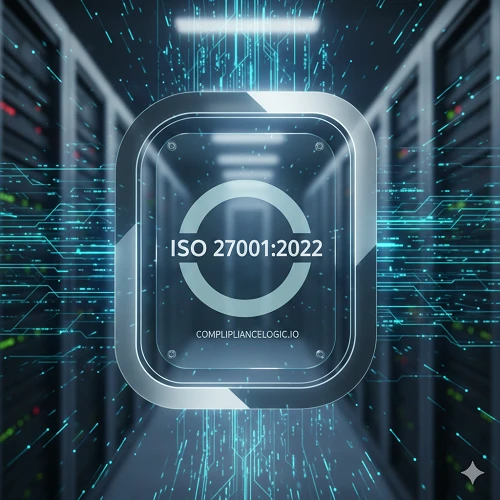
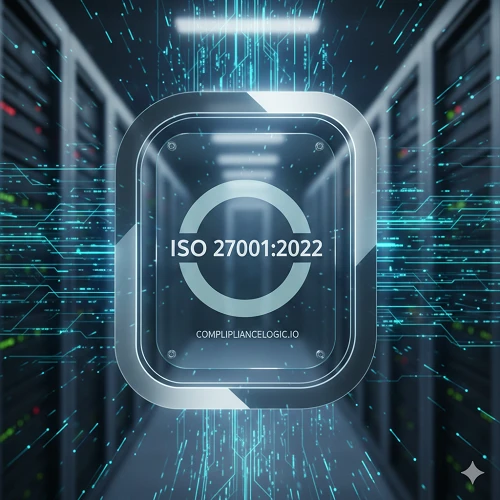
ISO 27001:2022 is more than just a compliance requirement — it is a globally recognised framework that helps organisations protect sensitive information against evolving cyber threats. The latest version of ISO:27001 reflects modern security challenges and provides businesses with a structured approach to managing information security risks through a robust information security management system (ISMS).
What Is ISO 27001:2022?
ISO 27001:2022 is the updated edition of the internationally accepted ISO/IEC 27001 standard. It defines the requirements for establishing, implementing, maintaining, and continually improving an Information Security Management System. The goal of ISO 27001 certification is to ensure that organisations identify potential risks to information assets and apply appropriate security controls to mitigate those risks.
Unlike basic security policies, ISO:27001 follows a risk-based approach. This allows organisations to focus on protecting what matters most, including customer data, financial records, intellectual property, and business-critical systems. As a result, companies that achieve ISO:27001 certified status demonstrate a strong commitment to information security and governance.
Why ISO:27001 Is Critical in Today’s Digital Landscape
With the rapid rise of cybercrime, data breaches, and regulatory scrutiny, information security is no longer optional. An effective information security management system built on ISO 27001:2022 helps organisations stay resilient in an increasingly digital environment.
Key reasons why ISO 27001 certification is essential include:
- Protection of Sensitive Information: ISO 27001 ensures confidentiality, integrity, and availability of data.
- Regulatory Compliance: The framework supports alignment with data protection laws and industry regulations.
- Reduced Cyber Risks: Structured risk assessment and controls help prevent security incidents before they occur.
- Increased Trust: Clients and partners prefer working with ISO:27001 certified organisations.
By implementing ISO:27001 controls, businesses can strengthen their overall Cyber Security 27001 posture and respond effectively to both internal and external threats.
Key Updates Introduced in ISO 27001:2022
The 2022 revision introduces important updates that align the standard with current technologies and security practices.
One major change is the reorganisation of Annex A controls. The total number of controls has been reduced and grouped into four themes:
- Organisational controls
- People controls
- Physical controls
- Technological controls
New controls have been added to address modern security needs such as cloud security, threat intelligence, data masking, secure software development, and information deletion. These enhancements make ISO 27001:2022 more relevant for organisations using cloud platforms, remote work models, and digital services.
The updated structure also allows easier integration with other ISO standards, making compliance management more efficient.
Benefits of ISO 27001 Certification
Achieving ISO 27001 certification offers significant business and security benefits beyond compliance.
1. Stronger Information Security Framework
ISO 27001 ensures that information security is managed systematically rather than reactively. Policies, procedures, and controls are documented, monitored, and continuously improved to address emerging threats.
2. Enhanced Business Reputation
Being ISO:27001 certified sends a strong message to customers, stakeholders, and regulators that your organisation prioritises data protection. This credibility can play a crucial role in winning contracts and long-term partnerships.
3. Competitive Advantage
Many organisations now require vendors and service providers to be ISO 27001 certified. Certification differentiates your business and positions it as a trusted and secure partner in competitive markets.
4. Improved Risk Management
ISO 27001 promotes proactive identification and mitigation of risks. This reduces the likelihood of costly data breaches, operational downtime, and reputational damage.
5. Operational Efficiency
By defining clear security roles and responsibilities, ISO:27001 improves internal processes and decision-making, leading to better operational control and accountability.
ISO 27001:2022 Implementation Approach
Implementing ISO 27001:2022 typically involves a structured and well-defined process:
- Gap Analysis: Identify current security gaps against ISO:27001 requirements
- ISMS Design: Develop policies, procedures, and risk assessment methodologies
- Control Implementation: Apply technical, physical, and organisational security controls
- Internal Audit: Evaluate the effectiveness of the ISMS
- Certification Audit: Undergo an independent assessment to achieve ISO 27001 certification
With the right expertise and guidance, organisations can implement ISO 27001 efficiently while aligning security objectives with business goals.
Conclusion
ISO 27001:2022 is a powerful framework for organisations seeking to protect sensitive information and strengthen their cybersecurity posture. By implementing a comprehensive information security management system, businesses can reduce cyber risks, improve compliance, and build long-term trust with customers and stakeholders.
Achieving ISO 27001 certification is not just about meeting a standard — it is about creating a culture of security, resilience, and continuous improvement. In today’s digital economy, adopting ISO:27001 is a strategic investment that supports sustainable growth and strong cyber defence.
FAQ`S
1. What is ISO 27001:2022?
ISO 27001:2022 is the latest international standard for establishing, implementing, and maintaining an Information Security Management System (ISMS) to protect sensitive business information from security threats.
2. What is the difference between ISO 27001 and ISO 27001:2022?
ISO 27001:2022 introduces updated controls, a simplified structure, and new security measures addressing modern risks such as cloud security, threat intelligence, and secure software development.
3. Who needs ISO 27001 certification?
Any organisation that handles sensitive data — including IT companies, healthcare providers, financial institutions, SaaS businesses, and government entities — can benefit from ISO 27001 certification.
4. How long does it take to get ISO 27001 certified?
The certification timeline typically ranges from 3 to 6 months, depending on organisation size, data complexity, and existing security controls.