
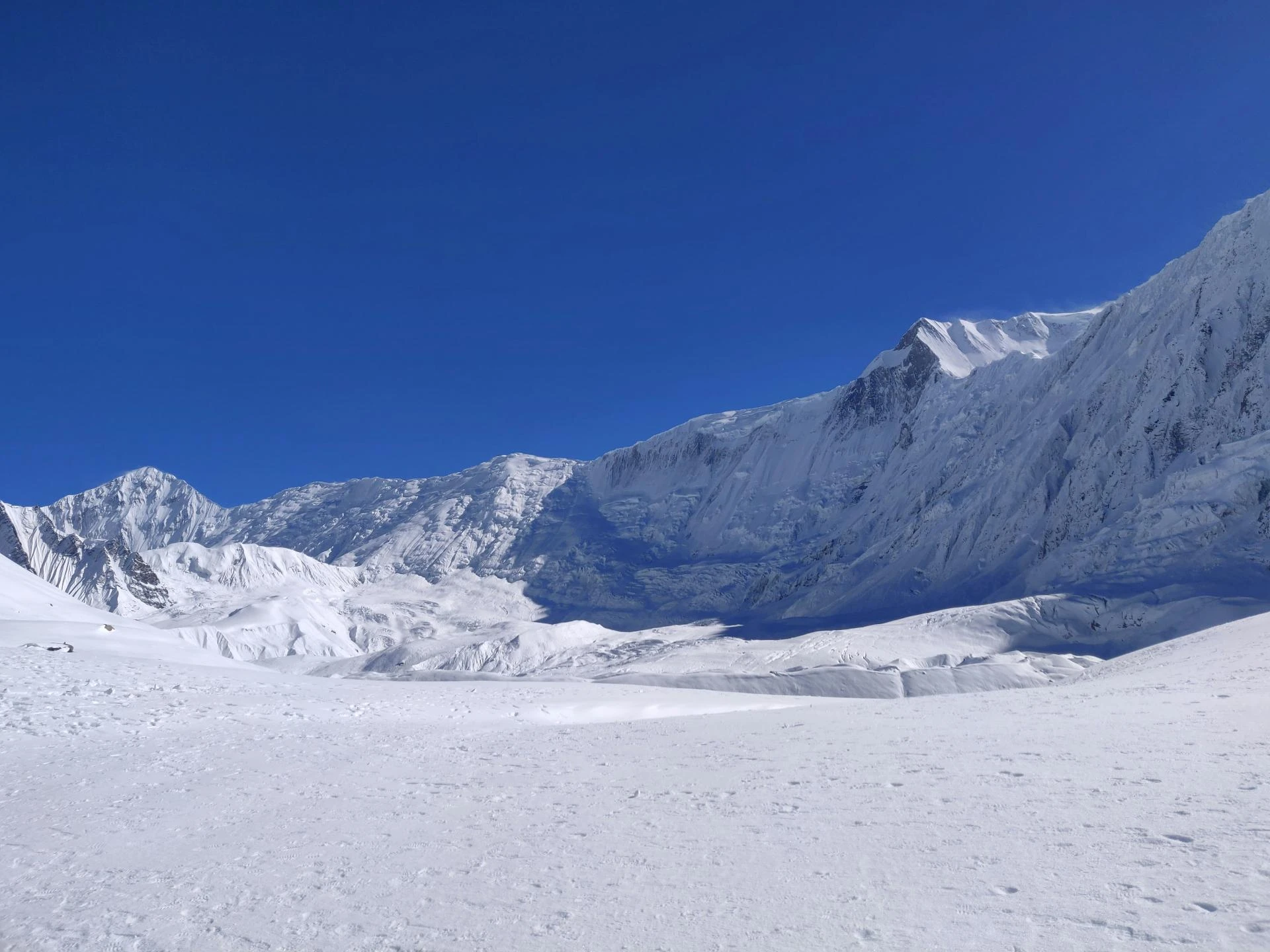
A perfect mix of trekking and mountaineering in the heart of the Khumbu. Island Peak gives you more than a climb — it gives you an experience that tests your limits.
Island Peak also known as Imja Tmse, this climbing is often chosen by those who want to step beyond trekking and feel what true Himalayan mountaineering is like. The route takes you through the Everest region, blending cultural paths with icy technical climbs. Many think it is easy because of its height, but at 6189 meters, it is not a simple hike.
The climb needs real effort, especially in the final push from high camp to the summit. The air gets thinner. Your legs feel heavier. But this is where the real challenge begins. This is where Island Peak becomes more than a climb it becomes a mental test.
Why This Peak is Called Island Peak
Island Peak stands alone between massive Himalayan walls. From Dingboche, it looks like a small island among ice giants. That is how it got its name. But don’t let the name fool you. It might look small compared to Everest or Lhotse, but the challenges are real and often underestimated.
This climb involves rock steps, snow slopes, and crevasse crossings. You need to use ropes, crampons, and an ice axe. It is a good place to test your skills before attempting bigger peaks like Mera or Lobuche.
How Tough Is the Climb Without a Guide
Climbing Island Peak without a guide may seem like a way to save money or gain more freedom. But the truth is, you lose more than you save. Without a guide, many things become harder.
- Route finding on the glacier can be confusing
- Crevasses and ladder crossings become risky
- Altitude sickness is hard to manage alone
- Fixing ropes and handling gear needs training
- Camps, food, and safety depend on your planning
You also miss out on the insights a guide shares — local knowledge, motivation, and on-the-spot decision-making. In the high mountains, this support can make or break your trip.
What You Really Face Above 6000 Meters
Reaching 6000 meters is not just about climbing higher. It is about surviving colder nights, eating less, and pushing through less oxygen. Every step above high camp feels harder. You wake up at midnight. It is dark and cold. You tie into a rope and move slowly through ice and snow.
The summit ridge tests your focus. One wrong step and you lose balance. You hear the guide's voice from behind, reminding you to breathe slow and keep moving. That voice often makes the difference when your own head feels cloudy.
Who Should Attempt Island Peak
Island Peak is for those who want to move from trekking to mountaineering. It is perfect if you already have done high-altitude hikes like Everest Base Camp or Annapurna Circuit. You need basic climbing training. You should know how to use crampons, handle ropes, and move on fixed lines.
Physical fitness is key. You must train your body for long days, heavy breathing, and tired legs. Mental preparation is just as important. You have to be ready to say no to the summit if the weather turns or your health drops.
The Reward Is More Than a Summit Photo
Yes, the summit is the goal. But the real reward comes from the experience. From walking the Khumbu trails and meeting Sherpas, to waking up at 5000 meters and watching stars above the glacier. Every day teaches you something new.
You return not just with a certificate but with confidence. You know your limits better. You know what it feels like to be challenged. And you carry that strength long after the trip ends.
Final Thoughts
Island Peak climbing is a personal journey. It offers the right balance of adventure, learning, and challenge. It is not a walk in the park, but it is doable with the right mindset and support.
Going without a guide may sound tempting, but it increases your risks at every step. A local guide not only helps with the climb but also gives you access to real mountain culture and safer decisions.
For those ready to take their adventure to the next level, Island Peak is the place to begin. Not because it is easy, but because it changes how you see yourself and the mountains.