
Let’s be honest: Have you seen the price tags on brand-new musical instruments lately?
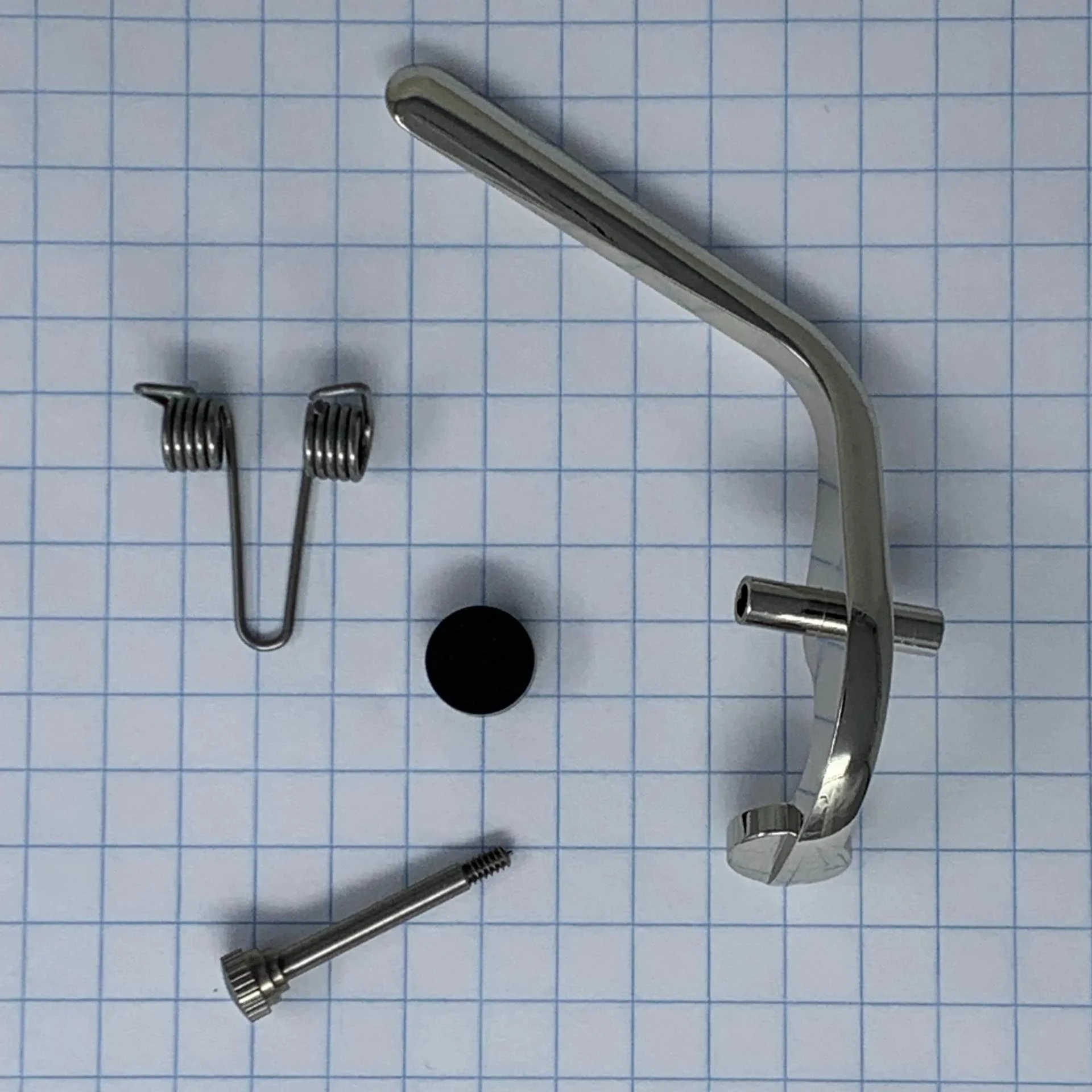
In 2026, buying a new student or intermediate saxophone feels less like a purchase and more like a mortgage down payment. This economic shift has triggered a massive trend in the music world. We are seeing a "Restoration Renaissance." Instead of trading in old horns for pennies, musicians and band directors are realizing that the scuffed-up trumpet in the back of the closet is actually a goldmine—if you have the right Jupiter instrument parts.
We used to live in a "throw-away" culture. If a valve got sticky or a key bent, the instinct was to upgrade. But today, "upgrading" often means spending thousands for an instrument that might not even play as well as an older, well-broken-in model.
The smart money is now on maintenance. But here is the catch: You can’t restore a quality instrument with junk hardware.
The Economy of Repair: Why "Generic" is a Gamble
When you decide to revive an instrument, the first hurdle is sourcing components.
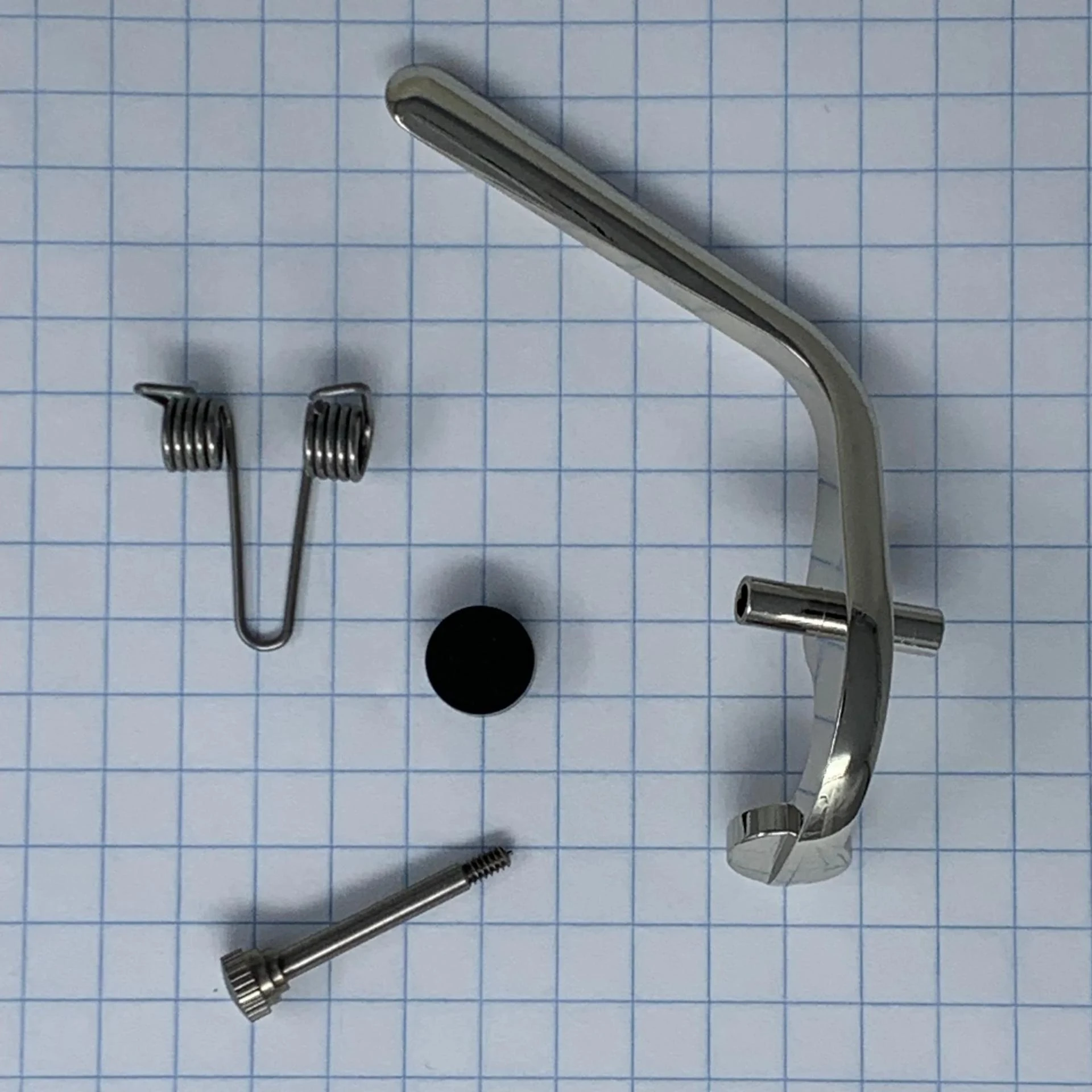
If you own a Jupiter instrument—whether it's a reliable student flute or a professional euphonium—it was built with specific engineering tolerances. The diameter of the hinge rods, the thread pitch of the screws, and the density of the felts are not accidents; they are design choices.
A common mistake I see in the DIY community is the reliance on "universal" musical instrument repair supplies.
Let me save you some heartbreak: "Universal" usually means "Fits Nothing Perfectly."
If you force a generic screw into a Jupiter post, you might strip the threads. Once that happens, a $5 repair turns into a $200 machine shop job. By using authentic or specification-matched Jupiter instrument parts, you ensure that the geometry of the instrument remains intact. The keys align where they are supposed to. The pads hit the tone holes dead center. You aren't just fixing it; you are returning it to factory specs.
What Do You Actually Need? (The DIY Toolkit)
You don't need to be a master luthier to handle basic maintenance, but you do need the right ecosystem of supplies.
The rise of YouTube tutorials has empowered players to handle their own minor repairs, which is fantastic. But before you start unscrewing things, look at your workspace. Do you have the right musical instrument repair supplies?
Here is what the "Smart Restoration" kit looks like in 2026:
- Specific Lubricants: Jupiter valves and slides have specific clearances. Using a generic oil that is too thick will make the action sluggish.
- Correctly Sized Felts and Corks: Alignment is everything. If a bumper felt is too thick, the key won’t open far enough, and the note will play flat. If it’s too thin, the note will be sharp.
- The Right Springs: If you are replacing a needle spring, the tension matters. A spring that is too stiff will make playing technical passages exhausting for your hands.
The Sustainability Flex
There is another reason why searching for Jupiter instrument parts is trending right now: Sustainability.
Musicians are becoming increasingly eco-conscious. Manufacturing a new brass or woodwind instrument requires mining metals, intense industrial processing, and global shipping. By choosing to repair an existing instrument, you are effectively opting out of that carbon footprint.
Restoring an instrument is the ultimate form of recycling. It’s a statement that says, "This object still has value." And frankly, there is a cool factor to playing a vintage or "lived-in" instrument that has been mechanically restored to perfection. It has a soul that a shiny new horn just hasn't earned yet.
Signs It’s Time to Order Parts
How do you know if you should be shopping for parts instead of a new instrument?
- The "Clank": If you hear metal-on-metal noise when you press a key, your corks or felts have disintegrated.
- The "Wobble": If a key moves side-to-side before it moves down, your hinge rods or pivot screws are worn.
- The "Drag": If a slide or valve feels scratchy even after oiling, you might have corrosion or a bent component that needs swapping.
The Final Verdict
The era of disposable instruments is over. Your Jupiter instrument was built to last for decades, not semesters. But longevity requires care.
Whether you are a band director trying to keep a fleet of 50 instruments running on a tight budget, or a parent trying to get your child through high school without breaking the bank, the solution isn't buying new—it's buying smart.
Stop settling for "good enough" generic fixes.
For those ready to treat their instruments with the respect they deserve, Tope Band Supply is your dedicated partner. We stock a comprehensive catalog of genuine Jupiter instrument parts and professional-grade musical instrument repair supplies to help you keep the music playing, exactly the way it was meant to be heard.