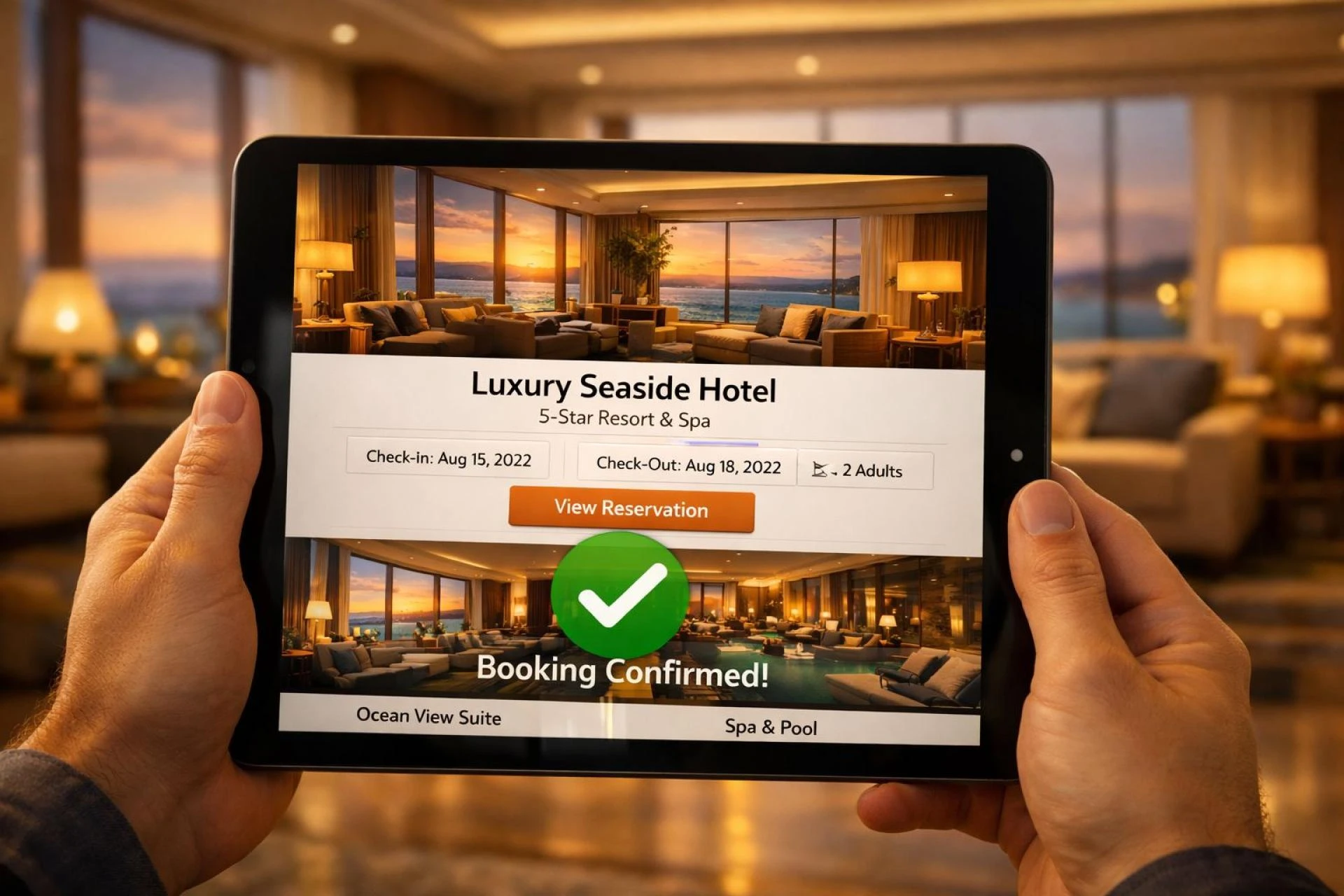
There is a quiet revolution happening in travel, and it centres on a single, critical moment: the first time a potential guest lands on a hotel’s website. In that instant, a judgment is made, a comparison is drawn, and a decision begins to form. For founders and business owners in the hospitality space, understanding the weight of that moment has never been more important. The global travel industry is projected to be an over $16.5 trillion market, a staggering figure that represents not just revenue but an enormous shift in how travellers discover, evaluate, and book their experiences. The question every hotel owner must ask is simple yet profound: is your digital presence ready to capture this shift, or will you watch it flow to competitors who have prepared?
The modern traveller is not just looking for a room; they are curating an experience long before they arrive. They move with speed and intent, often juggling multiple tabs, comparing visuals, checking reviews, and assessing the feel of a property all within seconds. A website that is slow, cluttered, or difficult to navigate is not just an inconvenience; it is an active barrier to revenue. Consider the hidden cost of a poor digital experience. When a visitor lands on a site that isn’t optimised for mobile, hides key information behind complex menus, or takes too long to load images, the outcome is almost always the same. They leave, often to a competitor whose site offered clarity and ease. This isn't merely a design flaw; it is a fundamental disconnect between what the business offers and how guests want to engage.
The most successful properties in this new landscape treat their websites as revenue tools, not digital brochures. This means thinking beyond aesthetics and diving deep into functionality. It means building a platform where a guest can seamlessly check real-time availability, complete a booking with minimal friction, and even manage their stay preferences, all from a single intuitive interface. The goal is to remove every obstacle between interest and confirmation. When a booking flow is transparent, secure, and remarkably simple, it builds immediate trust. That trust is the currency of the modern travel economy, encouraging direct bookings and reducing reliance on third-party platforms that eat into margins.
Building this level of functionality requires a foundation that is anything but generic. Off-the-shelf templates and bloated content management systems often promise simplicity but deliver rigidity. They force a hotel’s unique operations into a predetermined mould, creating workarounds and limitations. A smarter approach begins with a custom-built hotel website, a platform coded from the ground up to match a specific business model, brand identity, and guest profile. This kind of tailored architecture allows for clean, fast performance without unnecessary plugins. It integrates seamlessly with property management systems, scales effortlessly as the business grows, and, crucially, is built with search engines in mind. Local SEO, mobile responsiveness, and structured data become inherent features, not afterthoughts, ensuring the property appears prominently when and where travellers are searching.
Visual storytelling plays a starring role in this digital transformation. Travellers crave connection; they want to see themselves in a space. High-resolution galleries, immersive video tours, and interactive room selectors do more than showcase amenities. They create an emotional pull, allowing a potential guest to imagine the view from a suite or the ambience of a lobby. This visual journey, when combined with personalised content like local guides or curated experiences, positions the hotel as more than a place to sleep. It becomes a gateway to a destination, a trusted resource that adds value even before a booking is made. Features like dynamic pricing displays, easy-to-find cancellation policies, and secure payment gateways then provide the reassurance needed to convert that emotional connection into a confirmed reservation.
Looking ahead, the integration of intelligent features will further define the leaders in this space. Tools that offer instant, automated responses to common inquiries or provide personalised room suggestions based on browsing behaviour are no longer futuristic concepts; they are expectations. Similarly, multilingual and multi-currency support is essential for capturing a global audience, removing language and financial barriers that can halt a booking in its tracks. Every element, from the speed of the page load to the clarity of the call-to-action buttons, contributes to a seamless guest journey. It is about creating a digital concierge that is always available, always helpful, and perfectly aligned with the promise of the physical property.
For founders ready to build a digital presence that matches the ambition of their hospitality vision, the path forward is clear. It involves moving away from patchwork solutions and investing in a custom-crafted website designed for performance, storytelling, and growth. The $16.5 trillion shift is happening now. Travellers are voting with their clicks, rewarding sites that are fast, beautiful, and easy to use. Ensuring your marketplace is ready means building a platform that not only meets these expectations but exceeds them, turning every visit into a step toward a lasting guest relationship. The right time to start is now, with a partner who understands that a hotel website should be as exceptional as the stay itself.