
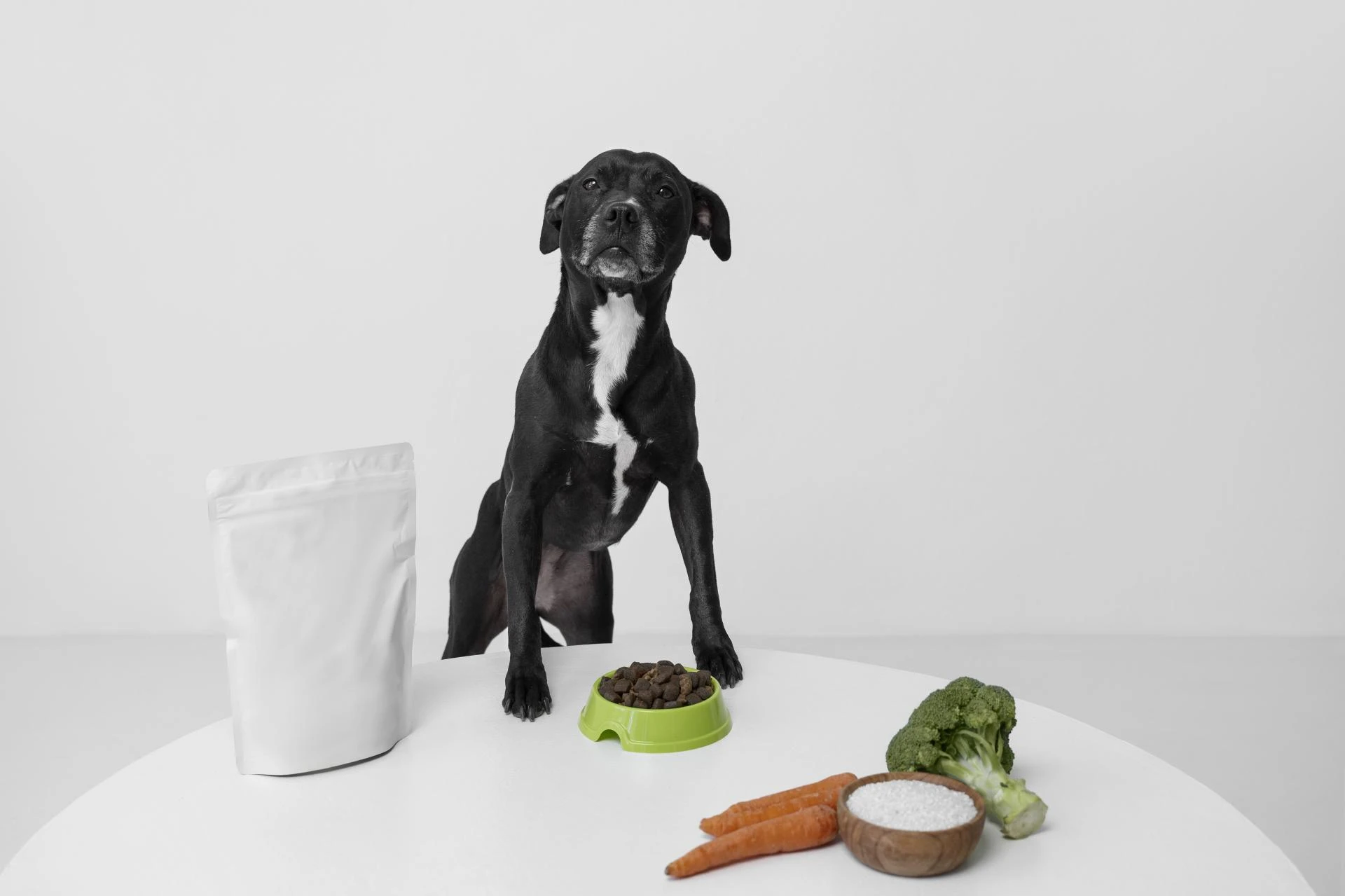
As dog parents, we all want one simple thing—our dogs to be happy, active, and healthy. But many people don’t realize that a dog’s food plays a huge role in how they feel every single day. From shiny coats to strong joints and good digestion, the right diet can make a big difference. So the big question is: is your dog’s food really right for them?
Let’s break it down in simple terms and help you understand what your dog truly needs from their food.
Why Dog Food Matters More Than You Think
Dogs depend completely on us for their nutrition. Unlike humans, they can’t choose what they eat. Poor-quality food can lead to issues like low energy, dull fur, weight problems, joint stiffness, and even digestive trouble.
Good food supports:
- Strong bones and joints
- Healthy skin and coat
- Better immunity
- Long-term mobility
This becomes especially important as dogs age or become less active, when joint support and proper nutrition matter even more.
Signs Your Dog’s Food May Not Be Right
Sometimes dogs show us signs that their food isn’t working for them. Look out for:
- Constant itching or dry skin
- Dull or shedding coat
- Low energy or stiffness
- Upset stomach or loose stools
- Difficulty getting up or climbing stairs
These signs may mean your dog’s food is missing key nutrients, including fats that support joint health and mobility.
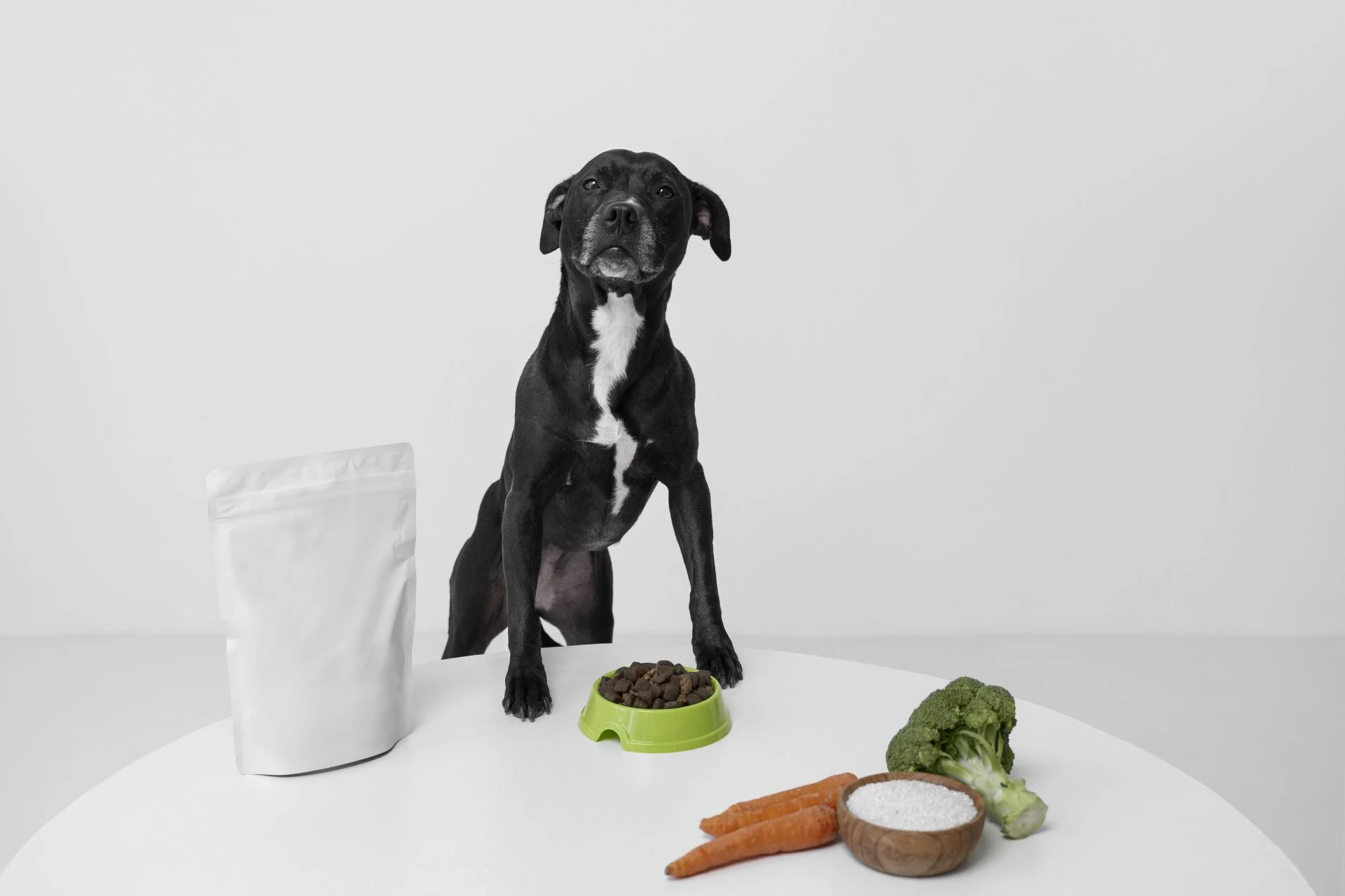
The Importance of Protein, Fats, and Balance
A good dog food should be well balanced. That means the right mix of protein, fats, vitamins, and minerals.
Protein helps maintain muscle strength.
Fats provide energy and support skin, coat, and joints.
Vitamins and minerals keep organs working properly.
One of the most important fats for dogs is omega 3 fatty acids.
Why Omega 3 Fatty Acids Are So Important
Omega 3 fatty acids are healthy fats that play a key role in your dog’s overall health. They are commonly found in fish oil, flaxseed, and certain plant sources.
Benefits of omega 3 fatty acids include:
- Supporting joint comfort and flexibility
- Reducing inflammation
- Improving skin and coat health
- Supporting brain and heart function
If your dog’s food is low in omega 3 fatty acids, you may notice stiffness, dry skin, or reduced movement over time.
When Food Alone Isn’t Enough
Even high-quality dog food may not meet all your dog’s needs—especially for senior dogs, large breeds, or very active dogs. This is where adding a dog joint supplement can help.
A dog joint supplement is designed to:
- Support joint flexibility
- Help maintain cartilage health
- Improve comfort during movement
Many joint supplements also contain omega 3 fatty acids, which makes them even more effective for long-term joint support.
Dogs at Higher Risk for Joint Problems
Some dogs need extra joint care, including:
- Large breeds like Labradors, German Shepherds, and Rottweilers
- Older dogs
- Overweight dogs
- Very active or working dogs
For these dogs, combining the right food with a trusted dog joint supplement and enough omega 3 fatty acids can make daily movement easier and more comfortable.
Reading Dog Food Labels Made Simple
Dog food labels can be confusing, but here are a few easy tips:
- Look for real meat as the first ingredient
- Check for healthy fats, including omega 3 fatty acids
- Avoid foods with too many fillers or artificial colors
- Choose food based on your dog’s age and size
If omega 3 fatty acids are not clearly listed, your dog may benefit from an additional supplement.
How the Right Diet Improves Your Dog’s Life
When dogs get the right food and nutrients, the changes are often easy to see:
- More energy during walks
- Easier movement and playtime
- A shinier coat
- Better mood and comfort
Adding a dog joint supplement along with a balanced diet ensures your dog stays active and happy for longer, especially as they grow older.
Final Thoughts
So, is your dog’s food right for them? The answer depends on how well it supports their daily needs. A good diet should provide balanced nutrition, healthy fats like omega 3 fatty acids, and enough support for joint health.
If you notice signs of stiffness or reduced activity, it may be time to review your dog’s food and consider adding a dog joint supplement. With the right nutrition, your dog can enjoy a healthier, more comfortable, and more active life—just the way they deserve