The engine shows increasing internal friction and oil leaks because its internal components have reached their maximum distance, and its seals have lost their original flexibility. Allowing a high-hour motor to operate with basic lubrication creates a professional error that results in increased equipment damage and system breakdowns.
The mechanical components of a system will last longer when technicians develop maintenance plans that use special chemical methods to handle the needs of the system's aging parts.
The protection of internal surfaces from metal-on-metal contact requires technical methods that establish dependable system performance. Identifying the best high-mileage oil additive serves as the essential first step toward optimizing your vehicle's performance while extending its functional lifespan.
Key Takeaways
● Seal Rejuvenation: How specialized conditioners prevent leaks and oil seepage.
● Friction Reduction: Minimizing internal drag to improve fuel economy and power.
● Sludge Prevention: Neutralizing contaminants that accumulate in older engines.
Does The Long-Term Protection of Your Engine Justify the Price?
● Mitigating Internal Friction and Component Wear
The essential need for high-mileage engines requires a lubricant that can fill operational gaps created by equipment use over multiple years.
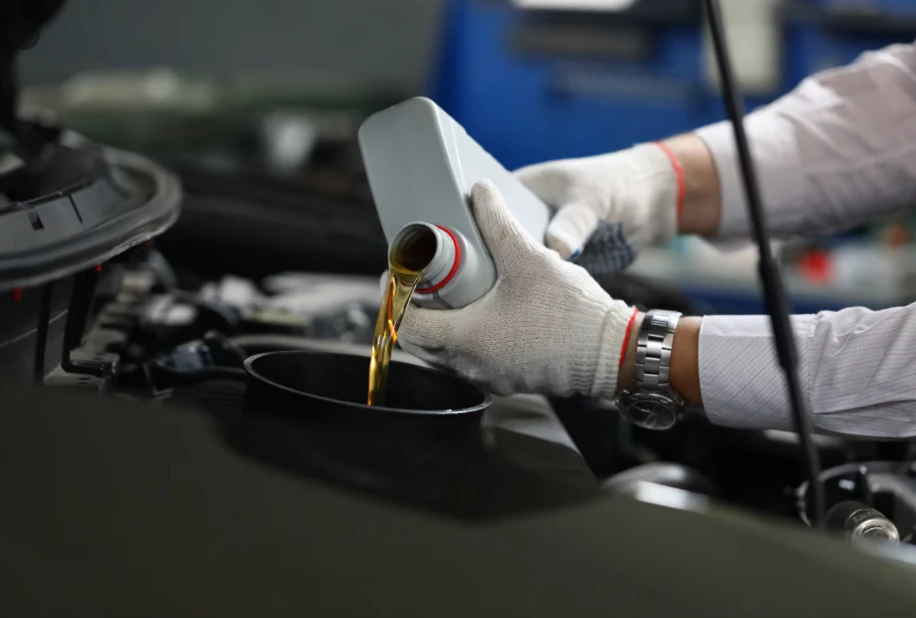
The standard motor oil protective film will eventually lose thickness, leading to an unprotected status of essential components, which include piston rings and bearings. Via the best high-mileage oil additive, delivering specialized anti-wear agents becomes easier, which establishes molecular bonds with metal surfaces.
The lubrication solution operates proactively because it maintains engine performance at maximum efficiency during all operational load conditions. The additive decreases friction-associated heat, which results in less thermal stress buildup and thus extends the internal block's lifespan.
● Restoring Seal Integrity and Reducing Oil Consumption
The operational effectiveness of older gearboxes and engines depends on the reliable performance of their gaskets and O-rings.
The components develop brittle properties through repeated thermal cycles, which results in oil "weeping" and internal consumption that produces blue smoke. The best high-mileage oil additive contains seal-swelling agents that gently expand and soften these seals to restore their original function.
The protection system needs this fundamental level because engine failures in older vehicles occur when drivers do not monitor their oil levels. The additive maintains a secure seal, which improves the oiling system's hygiene and pressure maintenance capabilities.
● Optimizing Efficiency Through Advanced Surface Chemistry
The technical core of a superior additive is its ability to smooth out microscopic surface asperities that develop over hundreds of thousands of miles.
The engine achieves improved performance because its internal drag reduction enables the engine to operate with a reduced workload, which results in restored horsepower and enhanced fuel efficiency.
The best high-mileage oil additive provides mechanical optimization that exceeds the capabilities of standard oils when vehicle owners use it during their regular maintenance routines.
This technical requirement becomes critical for users who want to extract maximum performance from their favorite automobiles while reducing their need for restoration work.
Conclusion
Vehicle owners are able to achieve effective internal friction control through advanced maintenance methods, which prevent seal degradation that results in expensive vehicle overhauls.
A sturdy powertrain's structural integrity results in a dependable vehicle that remains operational throughout its expected lifespan, and that is why you need to search the market extensively to find superior solutions like Oil Extreme to ensure maximum protection in extreme conditions.
This is especially important if you operate a classic engine that employs flat tappet camshafts lubricant, or a modern high-hour daily driver, both of which require extreme pressure and wear protection.