The Real Role of Sugar in Tooth Decay
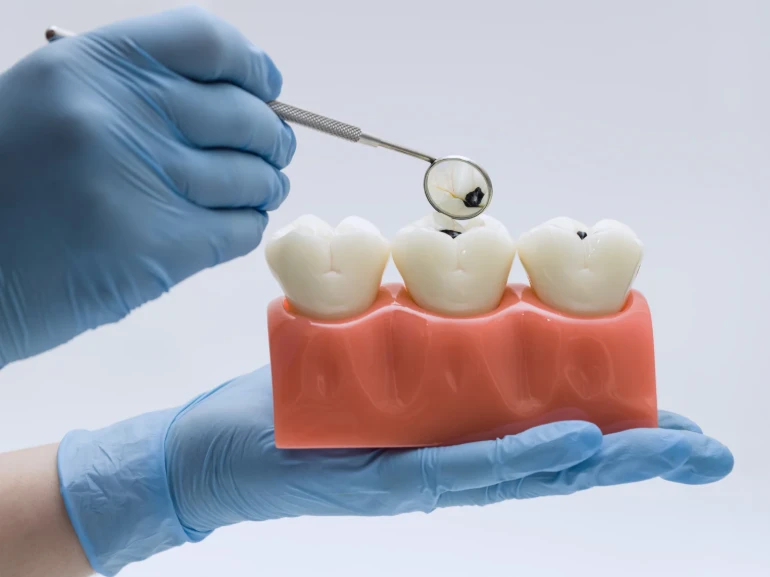
Sugar is often blamed as the main culprit behind cavities, but the reality is more complex. When you consume sugary foods and drinks, the bacteria in your mouth feed on these sugars and produce acids. These acids gradually weaken the enamel, which is the protective outer layer of your teeth. Over time, repeated acid attacks can lead to tiny holes, known as cavities.
While sugar plays a major role, it is not the only factor responsible for tooth decay. Many people who maintain good oral hygiene and visit a dentist Box Bill regularly can still enjoy occasional sweets without significant damage. This highlights that cavities are caused by a combination of factors rather than sugar alone.
How Bacteria Drive the Decay Process
Your mouth naturally contains bacteria, both good and harmful. The harmful bacteria thrive on carbohydrates, not just sugar. Foods like bread, pasta, and even fruits can break down into sugars that fuel these bacteria.
When these bacteria produce acid, it lowers the pH level in your mouth. This acidic environment causes demineralisation, where essential minerals like calcium and phosphate are lost from the enamel. If this process continues without interruption, it eventually leads to decay.
Regular brushing, flossing, and professional cleaning from a dentist Box Bill can help control bacterial growth and protect your teeth from damage.
The Impact of Poor Oral Hygiene
Even if you avoid sugary foods, poor oral hygiene can still result in cavities. Plaque, a sticky film of bacteria, builds up on your teeth throughout the day. If not removed properly, it hardens into tartar, which is much more difficult to clean.
Neglecting daily brushing and flossing allows plaque to stay on the teeth longer, increasing the risk of acid production and enamel breakdown. Proper oral hygiene is essential in preventing cavities, regardless of your diet.
Brushing Techniques Matter
Brushing twice a day is important, but technique also plays a crucial role. Using gentle circular motions and reaching all areas of the mouth ensures effective plaque removal.
Flossing Completes the Routine
Flossing removes food particles and plaque from between teeth where a toothbrush cannot reach. Skipping flossing leaves these areas vulnerable to decay.
Dry Mouth and Its Hidden Risks
Saliva plays a vital role in maintaining oral health. It helps wash away food particles, neutralise acids, and provide minerals that strengthen enamel. A dry mouth, also known as xerostomia, reduces this natural protection.
Certain medications, medical conditions, and lifestyle habits like smoking can contribute to dry mouth. Without enough saliva, the risk of cavities increases significantly, even if sugar intake is low.
Frequency of Eating Matters More Than Quantity
Many people believe that eating large amounts of sugar at once is worse than consuming small amounts throughout the day. In reality, frequent snacking can be more harmful.
Every time you eat, your mouth experiences an acid attack. If you snack often, your teeth have less time to recover between these attacks. This constant exposure increases the likelihood of enamel damage and cavity formation.
Limiting the frequency of eating and allowing time for saliva to neutralise acids can help protect your teeth.
Acidic Foods and Drinks Are Also Harmful
Cavities are not caused by sugar alone. Acidic foods and beverages can directly erode enamel, making teeth more vulnerable to decay. Common examples include citrus fruits, soft drinks, sports drinks, and vinegar based foods.
Even healthy options like orange juice can contribute to enamel erosion if consumed frequently. Rinsing your mouth with water after consuming acidic foods can help reduce their impact.
Tooth Structure and Genetics Play a Role
Some people are naturally more prone to cavities due to their tooth structure and genetic factors. Deep grooves in molars can trap food particles more easily, increasing the risk of decay.
Genetics can also influence the strength of enamel and the composition of saliva. While you cannot change your genetics, understanding your risk level can help you take preventive measures.
The Importance of Regular Dental Visits
Routine dental check ups are essential for maintaining oral health. A professional examination can detect early signs of decay before they become serious problems.
Dentists can also provide treatments such as fluoride applications and dental sealants to strengthen enamel and protect vulnerable areas. Visiting a dentist Box Bill ensures that your teeth receive the care and attention needed to prevent cavities effectively.
Lifestyle Habits That Contribute to Cavities
Several everyday habits can increase the risk of tooth decay, even if sugar intake is controlled.
Smoking and Tobacco Use
Tobacco reduces saliva production and weakens the immune system, making it harder for your body to fight harmful bacteria.
Skipping Dental Care
Avoiding regular dental visits allows small issues to develop into larger problems over time.
Night Time Snacking
Eating before bed without brushing your teeth leaves food particles in your mouth overnight, creating an ideal environment for bacteria.
FAQs
Can cavities form without eating sugar
Yes, cavities can develop from any carbohydrate rich foods that bacteria can break down into sugars, not just sweets.
How often should I visit a dentist
It is generally recommended to visit a dentist every six months for routine check ups and cleaning.
Are natural sugars less harmful than refined sugar
Natural sugars can still contribute to tooth decay if proper oral hygiene is not maintained.
Does drinking water help prevent cavities
Yes, drinking water helps wash away food particles and neutralise acids, reducing the risk of cavities.