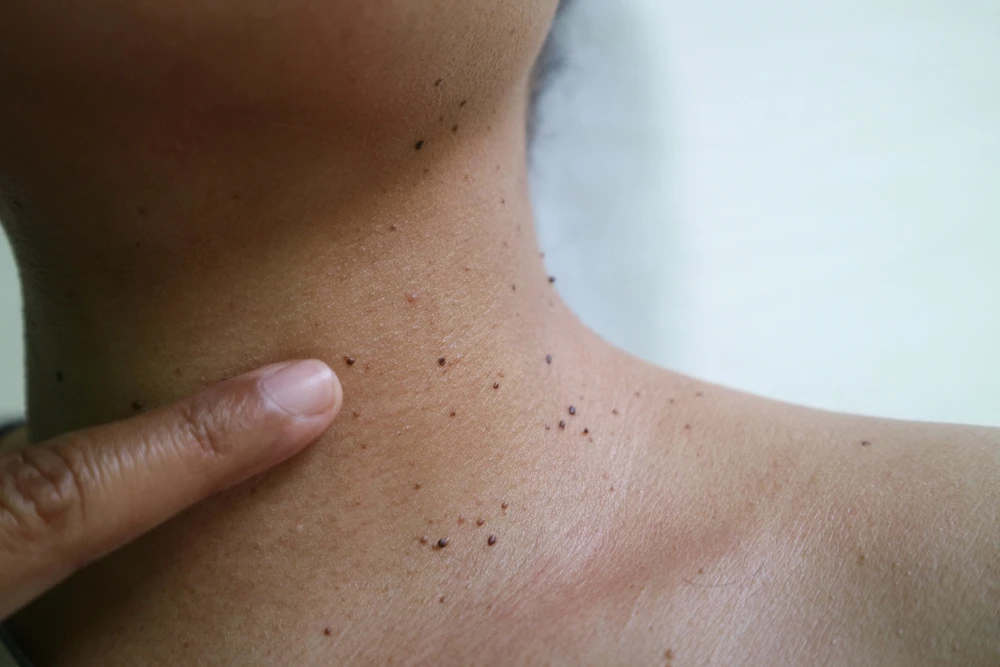
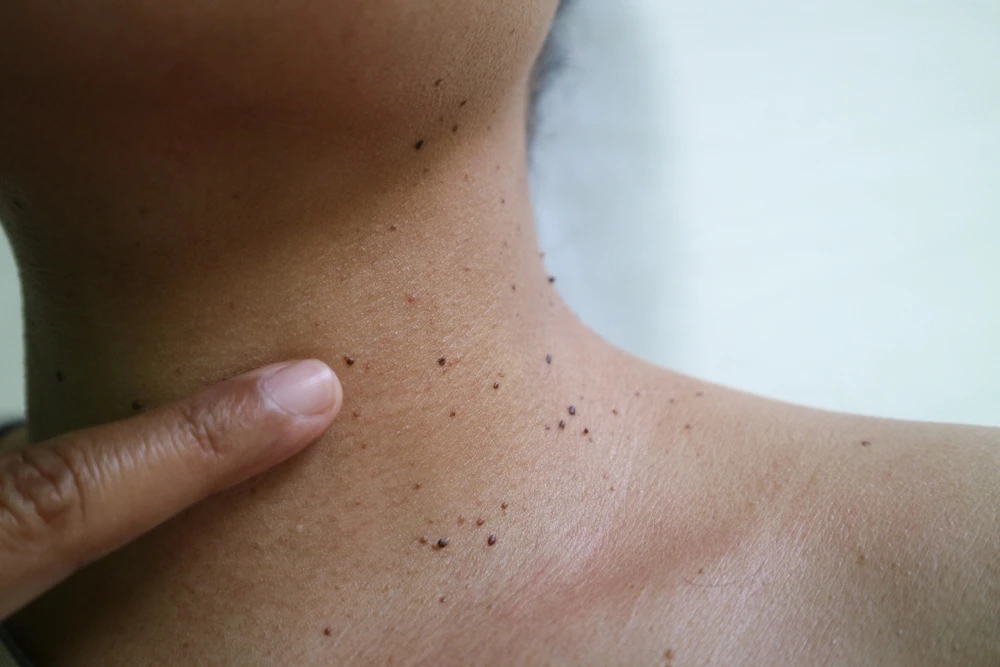
Seborrheic keratosis is a common skin condition where non-cancerous growths appear on the skin's surface. These growths can vary in size, shape, and color, often resembling a wart or an age spot. For those experiencing these benign but sometimes bothersome growths, an array of treatment options exists. Understanding the different approaches can help individuals make informed choices about their skin health, particularly pertaining to Seborrheic Keratosis Treatment In Abu Dhabi.
Understanding Seborrheic Keratosis
What is Seborrheic Keratosis?
Seborrheic keratosis is often characterized by a scaly, elevated area of skin that comes in various colors, including black, brown, or tan. These growths are generally harmless but can be unsightly or itchy, leading many individuals to seek treatment.
Causes and Risk Factors
While the exact cause remains unknown, several factors may contribute to the development of seborrheic keratosis:
- Genetics: A family history of the condition may increase the likelihood of developing growths.
- Aging: Often appearing in older adults, these growths tend to become more prevalent with age.
- Sun Exposure: Prolonged exposure to sunlight can trigger the formation of seborrheic keratosis.
Treatment Options for Seborrheic Keratosis
Topical Treatments
Topical treatments are often the first step in managing seborrheic keratosis. These may include:
- Corticosteroids: These can help reduce inflammation and itchiness associated with the condition.
- Retinoids: Often used in dermatology, these medications can help in promoting cell turnover and reducing the appearance of growths.
Cryotherapy
Cryotherapy involves freezing the seborrheic keratosis with liquid nitrogen, causing the growth to fall off over time. This method may be effective for those with multiple growths, particularly on exposed areas such as the face or hands.
Curettage and Electrosurgery
Curettage involves scraping the growth off the skin using a curette, while electrosurgery uses an electric current to burn away the growth. This combination method is often effective for larger lesions or those that are difficult to remove with cryotherapy.
Laser Therapy
Laser treatment has gained popularity for seborrheic keratosis due to its precision. The laser targets the pigment in the growth, leading to its destruction without affecting surrounding skin. This minimally invasive procedure can be ideal for delicate areas.
Photodynamic Therapy
Photodynamic therapy is a newer option that involves applying a light-sensitive medication to the growth and then using a specific light source to activate it. This process targets seborrheic keratosis while preserving healthy skin.
Natural Remedies
Some individuals may explore natural remedies, including:
- Apple Cider Vinegar: Known for its potential skin benefits, some users apply diluted apple cider vinegar to the affected areas.
- Tea Tree Oil: Hailed for its antibacterial properties, tea tree oil is a popular choice among those looking for natural solutions.
Preventive Measures
While it’s not always possible to prevent seborrheic keratosis, certain lifestyle choices can reduce risk. These include:
- Sun Protection: Regularly applying sunscreen can help prevent skin damage that might trigger growths.
- Skincare Routine: A consistent and gentle skincare routine can maintain skin health and possibly minimize the development of new lesions.
Is Seborrheic Keratosis Treatment Permanent or Temporary?
Temporary Relief
For many individuals, treatments may provide temporary relief from the appearance of seborrheic keratosis. While removed growths may not return, new ones can develop over time, especially if predisposed due to genetics or aging.
Permanent Solutions
Some treatment methods, particularly laser therapy and curettage, may offer more permanent solutions for existing lesions. However, since the condition is linked to genetic factors, it is essential to remain vigilant for new growths even after treatment.
Lifestyle and Aftercare Post-Treatment
Important Aftercare Practices
Post-treatment care is vital in ensuring the best results. It typically includes:
- Avoiding Sun Exposure: Protecting the treated area from sun exposure can prevent discoloration and complications.
- Hydration and Moisturization: Keeping the skin hydrated ensures healing and can improve overall skin health.
Regular Skin Assessments
Routine skin checks are essential for maintaining skin health. Tracking any changes or new growths can help in seeking timely treatment and reducing worries about skin conditions.
Conclusion
Understanding seborrheic keratosis and its treatment options empowers individuals to take control of their skin health. With a variety of treatment choices available, both medical and natural, individuals can choose the best approach that suits their needs. Regular skin assessments and preventative measures can further enhance the effectiveness of treatments, ensuring a healthier, more confident appearance.
FAQs
1. What are the signs of seborrheic keratosis?
Seborrheic keratosis often appears as raised, scaly spots on the skin that can vary in color and size. They are usually painless and may have a waxy or "stuck-on" appearance.
2. Can I treat seborrheic keratosis at home?
While some natural remedies exist, professional treatments are recommended for safe and effective removal. Consulting a dermatologist is the best way to determine the appropriate course of action.
3. Are there any complications associated with seborrheic keratosis treatment?
In most cases, treatments are straightforward and carry minimal risk. However, it is essential to follow aftercare instructions to ensure optimal healing and minimize any potential complications.
4. Is it possible for seborrheic keratosis to disappear on its own?
While seborrheic keratosis is benign and generally does not require treatment, it usually does not resolve on its own. Consulting with a healthcare specialist can provide strategies for managing growths effectively.
In conclusion, whether considering Seborrheic Keratosis Treatment or exploring natural options, a deeper understanding of the condition and available treatments can empower individuals to make informed decisions about their skin health.