
Every business owner reaches a moment where they ask the same question: “Do we really need a mobile app?”
You’ve seen competitors launch apps. Customers mention convenience. Agencies pitch big promises. At the same time, you hear stories about apps that cost a lot and never get used. The confusion is real, and the decision matters more than most people realize.
Mobile app development is not about following trends. It’s about whether an app genuinely fits how your business works, how your customers behave, and where you want to be in the future. This blog cuts through the hype and looks at the real pros, real cons, and the honest reality of mobile app development.
Many businesses start exploring this path by talking to an App Development Company in USA to understand feasibility, costs, and long-term value before making a serious commitment.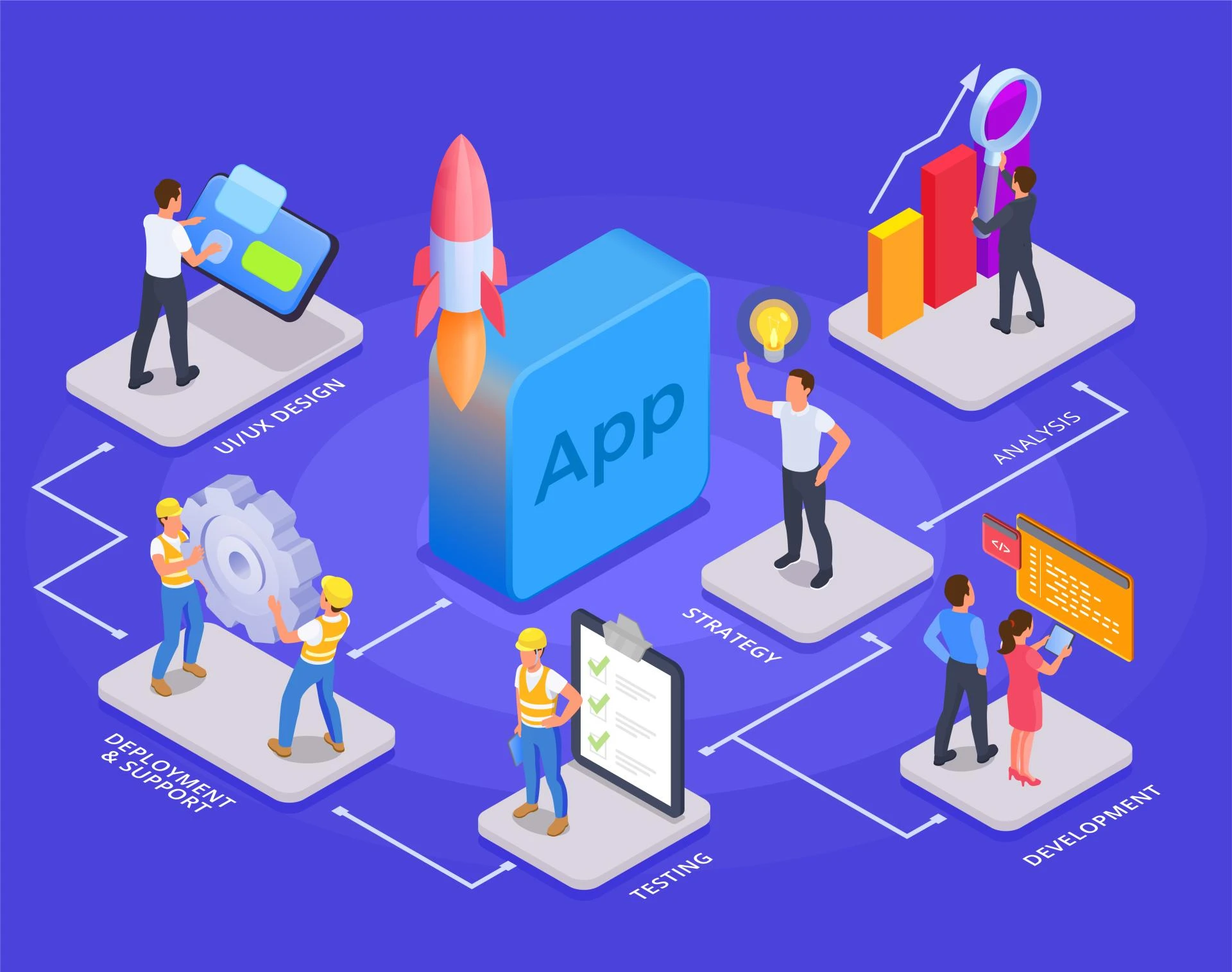
What having an app actually means for a business
An app is not just a smaller version of a website. It becomes a daily touchpoint between your business and your customers. When someone installs your app, they give you space on their phone — and that space is valuable.
An app can:
- Make repeat actions faster
- Store preferences and history
- Send reminders or updates
- Reduce steps between intent and action
But it also creates responsibility. Users expect speed, stability, and usefulness. If an app feels unnecessary or poorly built, they delete it without hesitation.
So the first reality check is simple: An app must earn its place on the phone.
The real advantages businesses see from mobile apps
When mobile apps work, they work very well. Businesses that benefit most usually see advantages in three key areas: engagement, efficiency, and insight.
Deeper customer engagement
Apps remove friction. Customers don’t need to open a browser, search, or log in repeatedly. Everything feels immediate. This convenience encourages people to return more often.
Over time, apps help build habits. A user who opens your app three times a week behaves very differently from someone who visits your website once a month.
Smoother customer experience
Apps are designed for phones, not adapted to them. This allows faster loading, offline access, and use of phone features like location, camera, and biometrics.
Small things matter here:
- Faster checkout
- One-tap actions
- Saved preferences
- Personalized screens
These details don’t feel dramatic, but together they make the experience noticeably better.
Better understanding of customers
Apps show how people actually behave, not just what they say. You can see:
- Where users drop off
- Which features matter
- How often they return
- What actions lead to purchases
Used responsibly, this insight helps businesses improve decisions instead of guessing.
Where mobile apps genuinely struggle
Now comes the part many blogs skip. Mobile apps also fail — often quietly.
The upfront cost is real
App development is not cheap. Beyond design and development, there are costs for testing, backend systems, app store fees, and ongoing updates. Businesses that expect instant ROI often get disappointed.
Maintenance never stops
Phones update. Operating systems change. Security risks evolve. An app that is ignored after launch quickly becomes outdated or unstable.
An app is a living product, not a one-time delivery.
Downloads don’t equal success
Many apps look good on launch day and then fade. Users install them once and never return. This usually happens when:
- The app doesn’t offer enough value
- It duplicates the website
- Users forget why they installed it
Retention matters far more than downloads.
Competition is intense
App stores are crowded. Discoverability is hard. Without promotion, even a useful app may struggle to gain traction.
The uncomfortable truth: not every business needs an app
This is important to say clearly. Some businesses are better off without an app.
If customers interact with you rarely, or if all actions are simple and informational, a mobile-optimized website may be enough. Forcing an app in such cases often leads to low usage and wasted effort.
Apps tend to make sense when:
- Customers return frequently
- Speed matters
- Personalization adds value
- Real-time updates are useful
For example, eCommerce, education, healthcare, logistics, fitness, and service-based businesses often benefit more than low-frequency services.
Asking the right questions before building
Before committing, businesses should pause and ask honest questions:
Will customers actually use this app more than once? What problem does the app solve better than the website? How often will people realistically open it? Do we have resources to maintain it long term?
If answers are unclear, rushing into development is risky.
App vs website: how smart businesses use both
This is not an either-or decision. Most successful companies use both.
Websites are excellent for discovery and first-time users. Apps shine when it comes to repeat use and loyalty.
Websites bring people in. Apps keep them coming back.
Understanding this difference helps businesses design apps that complement — not compete with — their websites.
Why user experience decides everything
No feature can save a bad experience. Users don’t read manuals. They don’t tolerate confusion. If something feels hard, they leave.
Good app experiences feel obvious:
- Buttons do what users expect
- Language is simple
- Errors are explained clearly
- Tasks finish quickly
Testing with real users before launch often reveals issues teams never notice internally.
Platform choices affect long-term flexibility
Deciding whether to build for iOS, Android, or both is not just technical. It’s strategic.
Some audiences skew heavily toward one platform. Some businesses need speed to market. Others need performance or security first.
Starting small, validating usage, and expanding later often works better than trying to do everything at once.
Data is only valuable when it’s used wisely
Apps produce a lot of data. But data alone doesn’t create value. Interpretation does.
Smart businesses use app data to:
- Improve onboarding
- Reduce friction
- Test pricing or features
- Personalize experiences
At the same time, privacy must be respected. Trust is easier to lose than gain.
Marketing matters as much as development
A good app still needs promotion. Many businesses underestimate this.
Launch plans often include:
- App store optimization
- Email or SMS campaigns
- In-app incentives
- Clear onboarding flows
An app that launches quietly often stays quiet.
The long-term commitment most people overlook
The most successful apps today didn’t succeed because they were perfect at launch. They succeeded because they improved steadily.
Updates, feedback loops, and small refinements over time matter more than big launches.
Businesses that plan for long-term improvement usually see better returns than those chasing quick wins.
Budget reality: what usually surprises businesses
Most businesses plan for development costs but underestimate:
- Marketing spend
- Support resources
- Ongoing improvements
Thinking in terms of total lifecycle cost helps avoid frustration later.
When mobile app development truly pays off
Mobile app development is usually worth it when:
- Customers interact often
- Convenience directly impacts revenue
- Personalization improves outcomes
- Speed gives a competitive edge
In these cases, apps often become growth engines, not expenses.
Final thoughts: making a grounded decision
Mobile app development is neither a guaranteed success nor a guaranteed mistake. It’s a strategic decision that works best when driven by real user needs, honest expectations, and long-term thinking.
Apps succeed when they solve meaningful problems and fit naturally into how customers already behave. They fail when built just because “everyone has one.”
As expectations continue to rise, especially among Apple users who value polish and performance, execution quality becomes critical. When that time comes, partnering with an experienced iPhone app development company can help ensure your app feels purposeful, reliable, and worth keeping on a user’s phone.
Frequently Asked Questions
1. Do all businesses really need a mobile app?
Ans: No. A mobile app works best for businesses where customers return often, need quick actions, or benefit from personalization. If your business has low repeat visits, a mobile-friendly website may be enough.
2. How do I know if my customers will actually use an app?
Ans: Look at how often customers interact with your business. If they place repeat orders, book services regularly, or check updates frequently, an app is more likely to succeed.
3. Is a mobile app better than a website?
Ans: They serve different purposes. Websites are great for discovery, while apps are better for repeat use, speed, and loyalty. Many successful businesses use both together.
4. What is the biggest advantage of having a mobile app?
Ans: Convenience. Apps reduce steps, save user preferences, and make actions faster. This often leads to higher engagement and stronger customer loyalty.
5. What is the biggest mistake businesses make with app development?
Ans: Building an app without a clear purpose. Apps fail when they don’t solve a real problem or simply copy what the website already does.