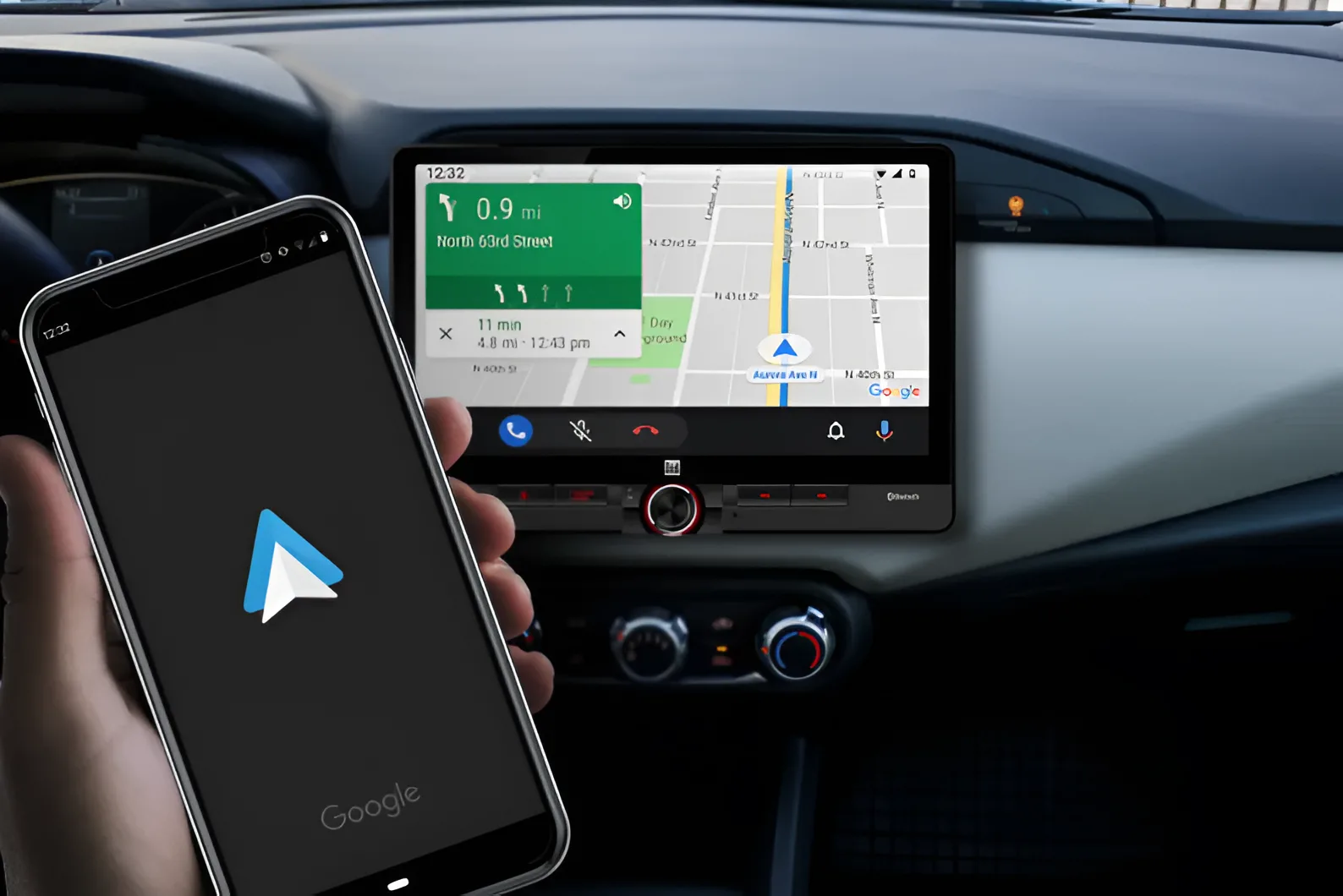

Ride-hailing may feel like a crowded space, yet the numbers tell a different story. For entrepreneurs willing to plan carefully, the road ahead still has plenty of open lanes.
A Market That Refuses to Slow Down
The global ride-hailing industry was valued at roughly $47.6 billion in 2025. It is projected to grow at around 18.6% a year through 2033, when it could cross $181 billion. Rising smartphone use, busier cities and a growing preference for app-based travel keep pushing demand upward. Major players dominate the big metros, but mid-sized cities, regional operators and specialised fleets remain underserved. These are the places where a focused newcomer can build loyalty quickly, because local riders often want faster pickups, fairer pricing and support that actually answers.
Skip the Slow Start, Not the Quality

Building a ride-hailing platform from scratch is expensive and time-consuming, and every month spent on development is a month without bookings or revenue. A ready-made foundation lets you reach the market sooner without cutting corners. A dependable solution typically includes:
- Rider and driver apps with real-time GPS tracking
- Transparent fare estimates and flexible payments, including UPI
- A central admin panel to manage drivers, documents, promotions and reports
- Built-in safety tools such as an SOS button and in-app chat
A straightforward version can go live in one to two months, while a deeply customised build may take three to four. The real advantage is flexibility: you can launch with the essentials, listen to your first riders and drivers, and add advanced features such as route optimisation or multi-stop rides once demand is proven.
One Platform, Many Possibilities
Here is what many founders miss: the same booking and dispatch engine behind an Uber Clone works well beyond taxis. It can power parcel delivery, grocery runs, home services and logistics. TechBuilder, for example, shows how one Uber Clone base can be reshaped for each of these. That means a taxi-first launch can grow into a wider on-demand business without rebuilding. A fleet owner might begin with city rides, then add airport transfers, and later bring in local deliveries using the same drivers and the same dashboard.
Of course, success still depends on local demand, reliable drivers and steady customer support. Pricing, driver incentives and a clear safety record matter just as much as the technology itself. An operator who picks one city and serves it well can still carve out a strong position. With the right strategy, a smart and lower-risk way to enter this growing market is an Uber Clone shaped around that city’s needs, supported by a realistic launch budget and a team that keeps improving the experience after launch.