Imagine this: you’ve just upgraded to a shiny new car in Richmond, but that nagging thought creeps in—“Can I take my trusted anti-theft system with me?” Interestingly, a lot of drivers don't realise how hard it is to move security systems, which can lead to mistakes that cost a lot of money or less protection.. Locally, car theft attempts in Richmond increased by 12% last year, making this question more relevant than ever.
Can I Simply Move My Anti-Theft System From One Car to Another?
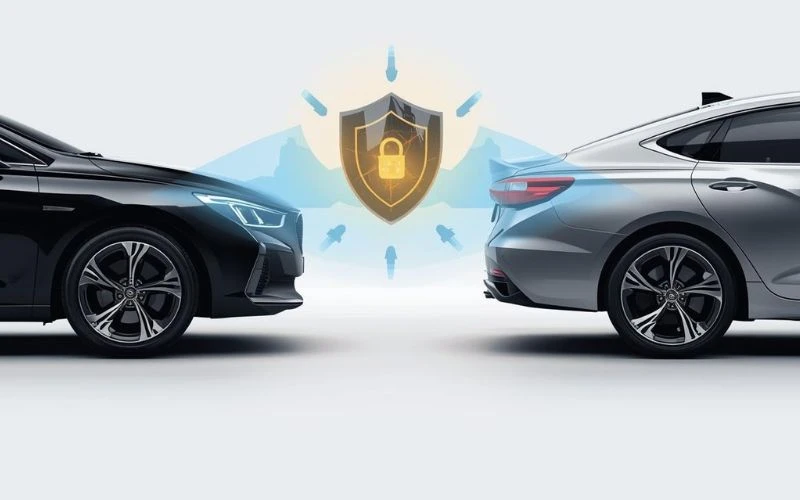
The short answer: not always. Anti-theft systems, especially modern ones, are often integrated with your car’s electronics, immobiliser, and alarm sensors. Think of it like trying to transplant a brain into a new body—it’s delicate, precise, and sometimes impossible.
Here’s what you need to know:
- Older aftermarket alarms – Many of these can be removed and reinstalled with relative ease, though rewiring may be required.
- Factory-installed systems – Usually tied to your car’s ECU (electronic control unit). Transferring these often requires professional programming and may not even be possible without voiding warranties.
An easy way to check: consult your car’s manual or contact a local professional. A car locksmith in Richmond can inspect compatibility and provide options.
What Are the Risks of DIY Transfer?
Attempting to move an anti-theft system yourself might seem like a budget-friendly idea, but it comes with risks:
- Reduced security – Incorrect installation can disable sensors or immobilisers, leaving your vehicle vulnerable.
- Electrical damage—Today's car electronics are very sensitive, and making a bad link can cost a lot to fix.
- Warranty issues – Factory systems tied to your car’s ECU may be voided if tampered with.
Interestingly, a local Richmond driver shared that a DIY transfer attempt fried their ECU, leading to a $1,200 repair. That’s a pricey “learning experience".
How Can a Professional Help Me Transfer or Replace My System Safely?
Professional car locksmiths have the tools, knowledge, and experience to handle this. Here’s a practical step-by-step approach:
- Assessment: The locksmith evaluates whether your current system is transferable or if a new system is more practical.
- Compatibility Check: They verify if wiring, sensors, and the ECU allow a safe transfer.
- Programming & Setup: When the security system connects to your car’s onboard electronics, a locksmith can configure new keys, reprogram the immobiliser, and check that all sensors are functioning properly.
- Testing: After installation, the entire system is tested under real conditions.
A trusted car locksmith in Malvern notes that many drivers find replacement more efficient and cost-effective than transfer, particularly for newer cars.
Are There Alternatives to Transferring My Existing Anti-Theft System?
Absolutely. If transfer isn’t feasible, you have options that maintain or even improve security:
- Aftermarket alarms: simple to set up and often work with smartphones.
- Steering wheel locks & immobilisers: Low-tech but effective deterrents
- GPS tracking devices: Great for insurance discounts and real-time vehicle location.
Think of it like adding a second lock to your front door—layered security is always smarter than relying on a single method.
How Do I Choose the Right Local Locksmith for This Job?
When it comes to anti-theft systems, experience matters. Here’s a quick checklist:
- Make sure they have worked on cars like yours before.
- Make sure they know how to programme immobilisers and keys.
- Check out reviews and the image of the area in Malvern or Richmond.
- Find out if the installation work comes with any promises or warranties.
Remember, a qualified locksmith not only protects your car but also saves you from future headaches.
Quick Takeaway: Transfer or Upgrade Your Anti-Theft System Safely
- Don’t assume every system is transferable—consult a professional first.
- Avoid DIY electrical work on integrated systems.
- Layer security with additional devices if necessary.
- Contact a car locksmith for assessment, installation, or replacement.
Securing your vehicle doesn’t have to be complicated, but a little local expertise goes a long way. Act now, and your new car stays safe—without sacrificing convenience or peace of mind.