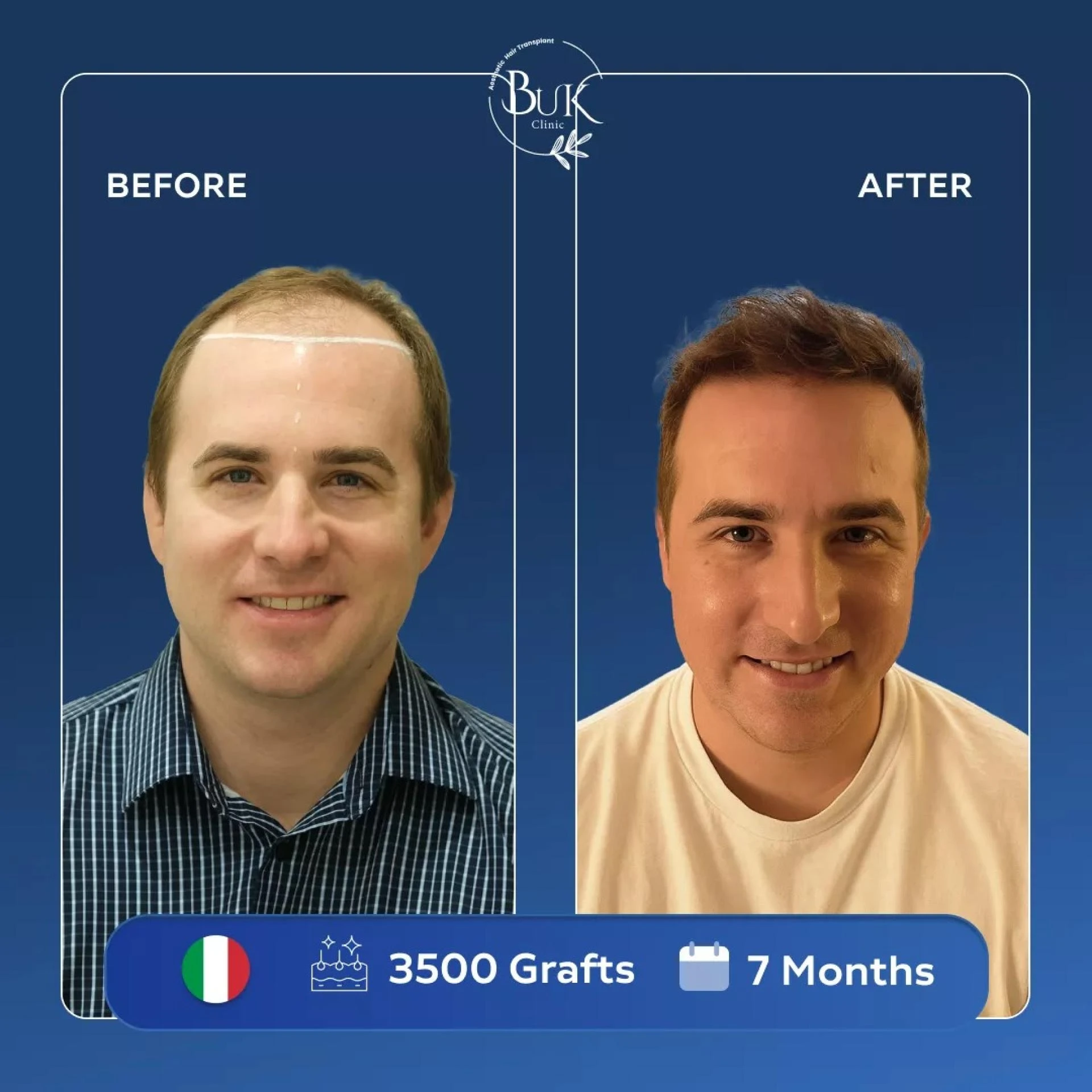
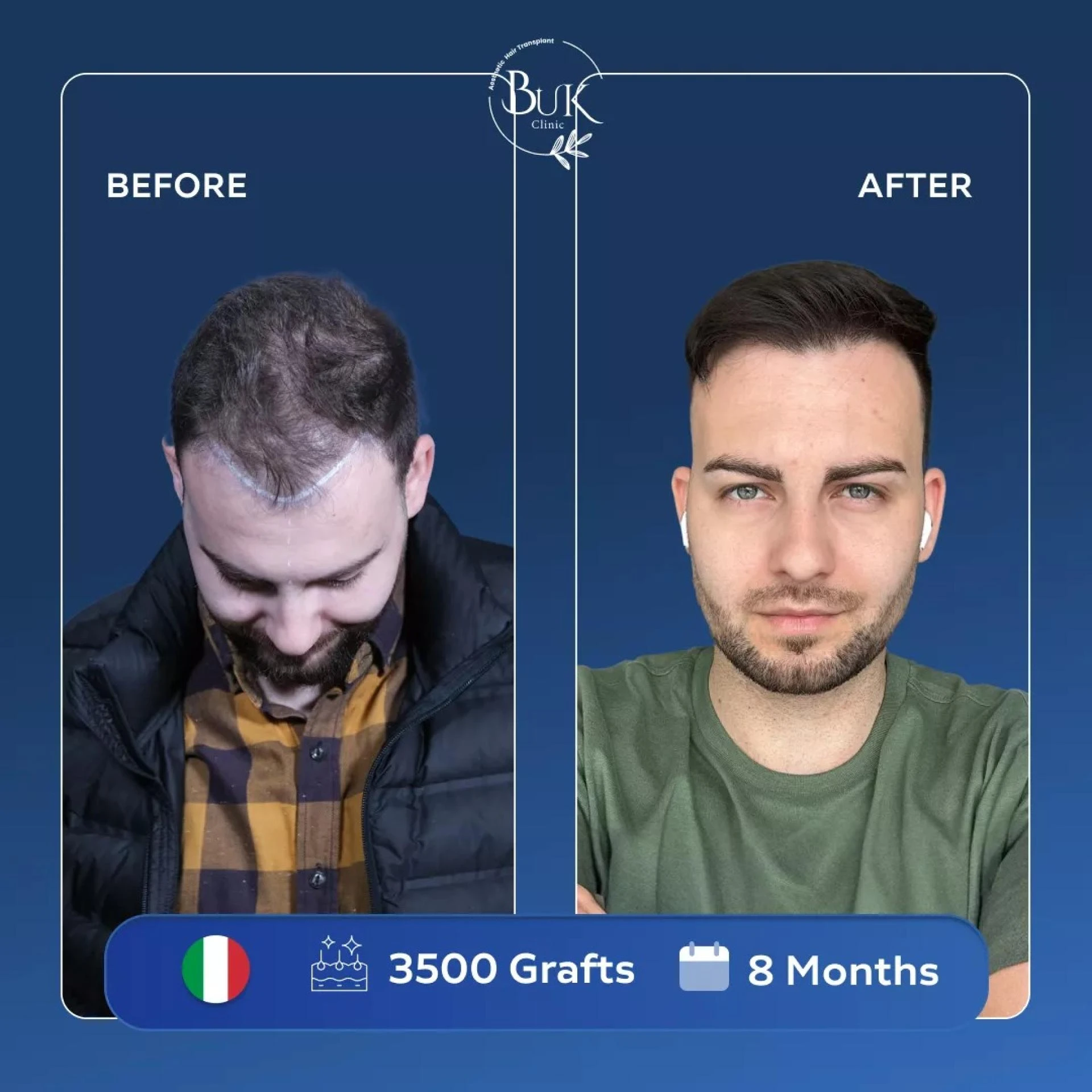
Over the past decade, hair transplant turkey has become a widely discussed topic among individuals seeking effective and long-lasting hair restoration solutions. Turkey’s reputation has grown not just because of affordability, but due to its strong medical infrastructure, advanced surgical techniques, and patient-focused approach. For those considering treatment abroad, safety is often the primary concern. Understanding how hair transplant procedures are regulated, performed, and monitored in Turkey helps patients make informed and confident decisions.
Turkey’s hair restoration industry operates within a structured healthcare system that prioritizes medical quality, ethical practice, and patient well-being. When performed at reputable clinics by qualified professionals, hair transplant procedures in Turkey meet international safety expectations and often exceed patient outcomes.
Medical Regulations and Licensing
One of the key reasons hair transplant turkey is considered safe is the presence of strict medical regulations governing cosmetic and surgical procedures. Hair transplant clinics are required to operate under the supervision of licensed medical professionals, and procedures must be performed or overseen by certified doctors trained in hair restoration techniques.
Clinics must comply with national healthcare regulations that define who can perform surgical steps, how patient records are maintained, and which safety measures must be followed before, during, and after treatment. These regulations ensure that procedures such as FUE and DHI are not treated as cosmetic shortcuts but as legitimate medical interventions requiring professional oversight.
Additionally, surgeons practicing hair transplantation undergo specialized training to understand scalp anatomy, graft survival, and aesthetic hairline design. Licensing systems help prevent unqualified individuals from performing critical parts of the procedure, which significantly reduces risks for patients.
Sterilization and Clinical Standards
Sterilization is a fundamental component of patient safety, and this is an area where hair transplant clinics in Turkey place strong emphasis. Modern facilities follow hospital-grade hygiene protocols to prevent infection and ensure a controlled surgical environment.
All surgical instruments used during hair transplant procedures are either single-use or sterilized using advanced medical equipment. Treatment rooms are regularly disinfected, and staff follow strict hygiene practices, including the use of protective clothing, gloves, and masks. These measures help minimize the risk of contamination and post-procedure complications.
Another factor contributing to the safety of hair transplant turkey is the use of advanced technology. Clinics invest in modern equipment designed to improve precision, reduce tissue trauma, and support faster healing. High clinical standards are not limited to surgery alone; they extend to consultation rooms, recovery areas, and post-treatment care spaces.
Role of Experienced Surgeons
The experience and skill of the surgeon play a decisive role in the safety and success of any hair transplant procedure. In Turkey, many surgeons have performed thousands of hair restoration treatments, giving them a deep understanding of different hair loss patterns, donor area management, and natural hairline creation.
Experienced specialists carefully evaluate each patient before recommending a treatment plan. Factors such as hair density, scalp condition, age, and long-term hair loss progression are considered to avoid unrealistic expectations or unsafe graft extraction. This personalized approach reduces the risk of overharvesting and ensures balanced, natural results.
During procedures like FUE and DHI, surgeon expertise directly affects graft survival rates and healing time. Proper handling of hair follicles, correct implantation angles, and strategic placement are all critical for both safety and aesthetic success. Patients benefit from surgeons who combine technical precision with artistic judgment.
Patient Safety Protocols
Comprehensive patient safety protocols are another reason hair transplant turkey continues to attract international patients. Safety begins well before the procedure itself. Patients undergo detailed consultations to assess medical history, current medications, and any underlying conditions that could affect surgery or recovery.
On the day of the procedure, vital signs are monitored, and local anesthesia is administered carefully to ensure comfort without unnecessary risk. Throughout the surgery, patients are closely observed by medical staff trained to respond to any concerns immediately.
Post-procedure care is equally important. Patients receive clear instructions on scalp care, medication usage, and activity restrictions to support healing and prevent complications. Follow-up evaluations help monitor progress and address any questions during the recovery period. This structured aftercare approach significantly enhances patient safety and overall satisfaction.
Another important aspect is transparency. Patients are informed about realistic outcomes, potential side effects, and the timeline for visible results. This honest communication builds trust and helps patients feel secure throughout their treatment journey.
Conclusion: Ensuring Safe and Reliable Hair Transplant Procedures
When considering hair restoration abroad, safety should never be compromised. The strong reputation of hair transplant turkey is built on regulated medical practices, modern clinical standards, experienced surgeons, and comprehensive patient care. From initial consultation to post-procedure follow-up, every stage of the process is designed to protect patient health while delivering natural and lasting results.
Choosing a reputable clinic in Turkey means benefiting from a healthcare environment that values professionalism, hygiene, and patient satisfaction. With proper research and informed decision-making, patients can confidently pursue hair transplantation in Turkey, knowing that safety and quality are central to the entire experience.