Gold has had a remarkable run leading into 2026. After surging past record highs earlier in the year, prices have settled into a period of consolidation, and analysts are divided on where the metal goes next. Some major banks see gold pushing toward $6,000 an ounce by year-end, while others expect it to hold closer to the $4,300–$4,800 range. Amid this volatility, one question keeps surfacing for Indian households: does gold jewellery still make sense as an investment, or is it purely an ornamental purchase now?
The short answer is that gold jewellery remains a good investment in 2026, but with important caveats that every buyer should understand before walking into a showroom.
Why Gold Still Holds Its Ground
The structural case for gold hasn't weakened in 2026 — if anything, it has strengthened. Central banks around the world continue to buy gold at a steady pace to diversify their reserves, geopolitical tensions remain elevated, and concerns about sovereign debt and currency stability keep pushing investors toward safe-haven assets. Closer to home, India's own bar and coin demand posted its strongest first quarter since 2013, a sign that domestic appetite for gold as a store of value is as strong as ever.
For Indian families in particular, gold jewellery has always played a dual role: it's a cultural and emotional asset worn at weddings and festivals, and it's also a financial cushion that can be liquidated or pledged in times of need. That combination is hard to replicate with purely financial instruments like gold ETFs or sovereign gold bonds, which offer price exposure but none of the everyday utility.
The Caveats You Need to Know
Where gold jewellery differs from gold as a pure investment is in the cost structure. Making charges, wastage, and GST typically add anywhere from 8% to 25% on top of the metal value, and that premium is rarely recovered in full when you resell. This is why financial advisors usually recommend treating jewellery as a hybrid purchase — part investment, part lifestyle spend — rather than a like-for-like substitute for gold coins, bars, or ETFs.
The type of piece you buy also matters. Simpler, high-purity designs with lower making charges tend to hold their resale value better than heavily embellished or studded pieces. A well-crafted gold bangle, for instance, is often a smarter long-term hold than an intricate, stone-studded piece, because it carries a higher proportion of pure gold weight relative to design cost. The same logic applies to versatile everyday pieces like a gold bracelet, which combines wearability with strong resale liquidity, since it's easy to exchange or melt down without significant value loss.
What About Diamond Jewellery?
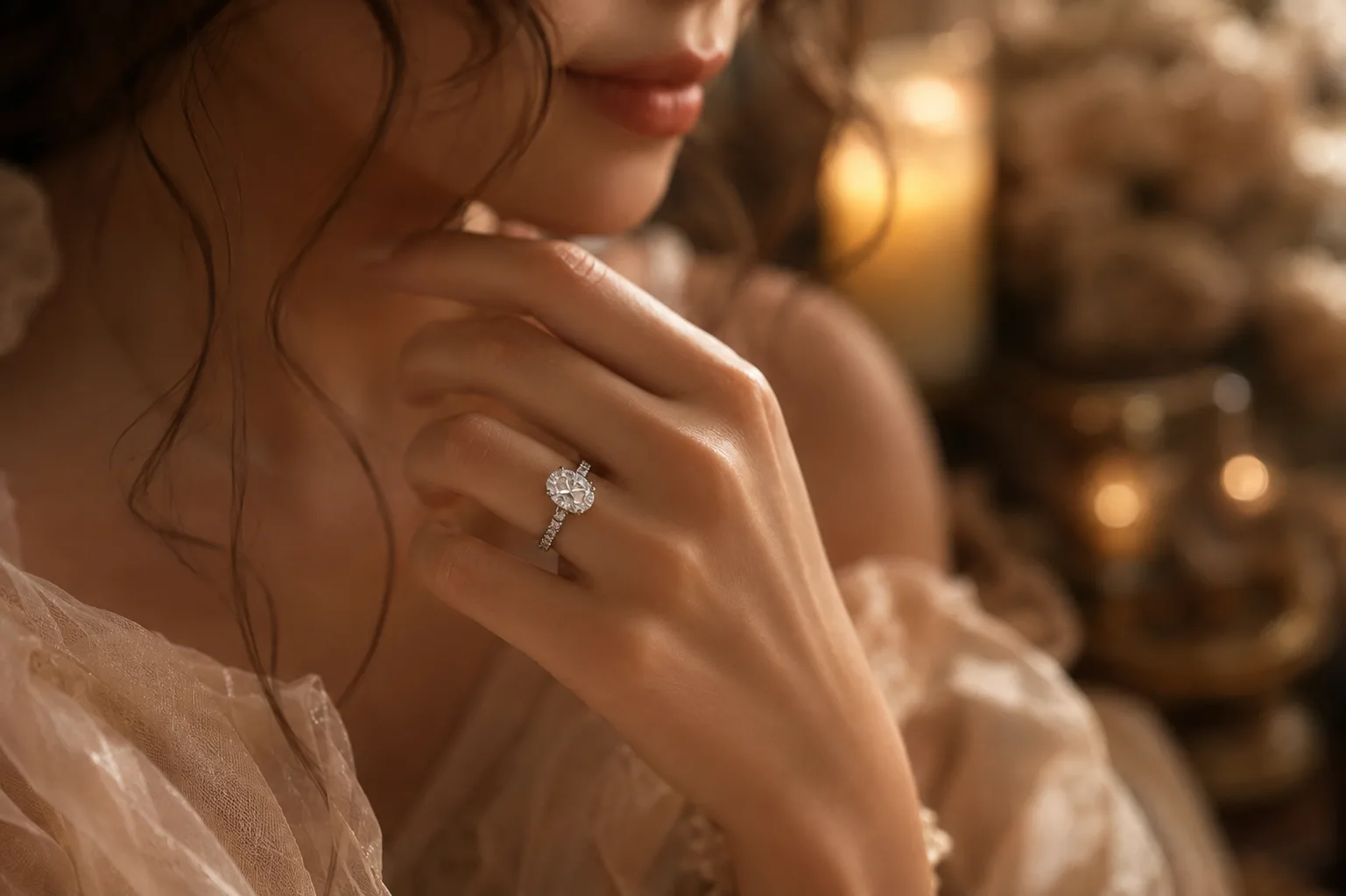
Diamond jewellery sits in a different category altogether. Unlike gold, diamonds don't have a transparent, universally quoted market price, and their resale value depends heavily on cut, clarity, certification, and prevailing retail demand — not just weight. That said, diamond pieces set in gold, such as a well-certified diamond ring, still carry meaningful investment value through the gold content itself, even if the diamond's contribution is harder to monetise later. If you're buying diamonds, it's worth thinking of them primarily as a lifestyle and heirloom purchase, with the gold setting doing the heavy lifting on the investment side.
Practical Tips for Buying Gold Jewellery as an Investment in 2026
- Prioritise purity and hallmarking. Always buy BIS hallmarked jewellery so the purity is certified and easy to verify at resale.
- Compare making charges. These vary widely between designs and jewellers, so ask for a breakdown before you buy.
- Keep the bill and certification safe. A proper invoice makes resale, exchange, and insurance far smoother.
- Diversify your gold holdings. Consider splitting your gold allocation between jewellery for wearability and coins, bars, or sovereign gold bonds for pure investment efficiency.
- Buy during price dips or festive offers. Making-charge discounts during festive seasons can meaningfully lower your effective cost per gram.
The Bottom Line
Gold jewellery in 2026 isn't a pure investment vehicle the way gold ETFs or bullion are, but it remains a genuinely good one when you buy sensibly. Classic, low-wastage pieces like a gold bangle or a gold bracelet retain their value well and double as everyday wearable assets, while diamond pieces like a diamond ring are better viewed as a blend of adornment and long-term keepsake, with gold quietly anchoring their resale worth. Given gold's strong structural tailwinds heading into the rest of 2026, jewellery remains a reasonable — and culturally meaningful — way to hold a portion of your wealth in gold.