
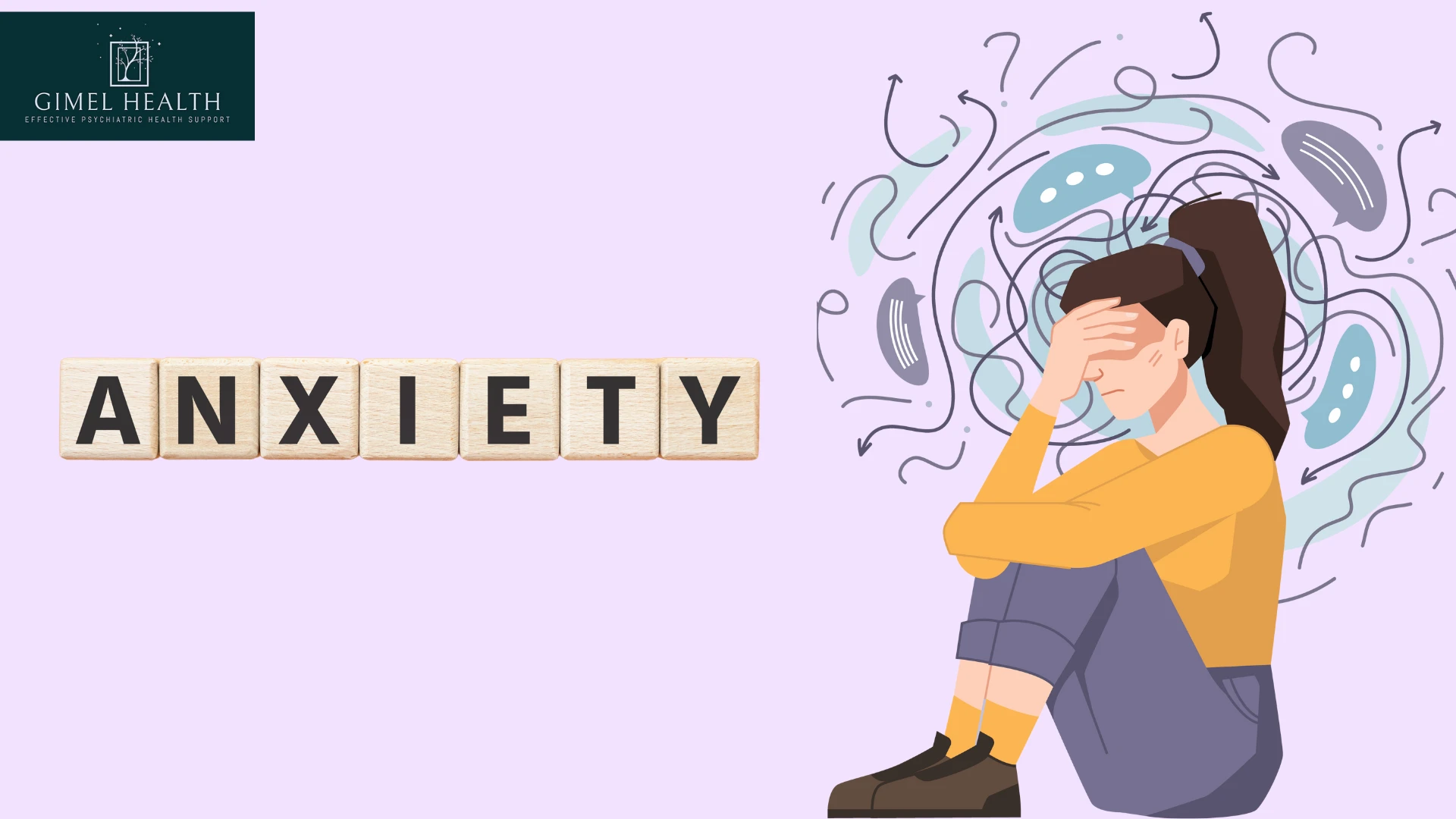
Anxiety is one of the most common mental health challenges today but is it something you’re born with, or does it develop over time? At Gimel Health, we aim to break down the science behind mental health so you can better understand what’s going on and what you can do about it. Let’s explore whether anxiety is genetic, what triggers it, and how it can be managed effectively.
Can Anxiety Be Genetic?
Many people wonder if anxiety “runs in the family.” The answer is: partly yes. While anxiety disorders can be influenced by environmental factors, research shows that genetics also play a significant role.
According to the National Institute of Mental Health, your chances of developing an anxiety disorder increase if:
- You’ve experienced traumatic events
- You have certain physical health conditions (like thyroid problems)
- You have close relatives with anxiety or other mental health conditions
So, while anxiety can be inherited, it often stems from a combination of genetic and life-related factors.
What Does Research Say About Anxiety and Genetics?
Decades of studies support the idea that anxiety can be hereditary. For instance:
- A 2002 study linked specific genetic traits to phobias and panic disorders.
- A 2015 twin study identified the RBFOX1 gene as a potential contributor to generalized anxiety disorder (GAD).
- A 2016 research review highlighted genetic links to social anxiety, panic disorder, and GAD.
- A 2017 study confirmed that GAD and related conditions often have a genetic component.
Still, researchers emphasize that more studies are needed to fully understand how genes influence anxiety.
What Are the Types of Anxiety Disorders?
Anxiety itself is a natural feeling, but when it becomes excessive or persistent, it may point to an anxiety disorder. Common anxiety disorders include:
- Generalized Anxiety Disorder (GAD): Ongoing worry about everyday situations
- Panic Disorder: Sudden and repeated panic attacks
- Social Anxiety Disorder: Intense fear of social interactions
- Phobias: Irrational fear of specific things or situations
- Separation Anxiety Disorder: Deep fear of being away from loved ones
Some other mental health conditions, such as Obsessive-Compulsive Disorder (OCD) and Post-Traumatic Stress Disorder (PTSD), also include anxiety as a primary symptom, though they are classified separately.
Common Symptoms of Anxiety Disorders
While symptoms vary by type, common signs of anxiety include:
- Persistent worry or fear
- Panic attacks or sudden feelings of terror
- Trouble focusing or remembering
- Irritability or restlessness
- Sleep disturbances
- Tense or tight muscles
If these symptoms interfere with your daily life, it may be time to seek support.
How Is Anxiety Diagnosed?
To get an accurate diagnosis, you'll need to speak with a qualified mental health professional—such as a psychologist, psychiatrist, licensed counselor, or social worker.
They’ll evaluate your symptoms using criteria from the Diagnostic and Statistical Manual of Mental Disorders (DSM-5) and help determine whether you meet the diagnosis for a specific anxiety disorder.
Effective Treatment Options for Anxiety
At Gimel Health, we believe in holistic care. Anxiety can be effectively managed using a blend of therapeutic, medical, and lifestyle-based approaches.
1. Therapy
Cognitive Behavioral Therapy (CBT) is one of the most effective tools for anxiety. It helps you identify negative thought patterns and replace them with healthier ones. According to the American Psychological Association, about 75% of people benefit from talk therapy.
2. Medication
In some cases, medications like SSRIs or anti-anxiety medications can help balance brain chemicals and reduce symptoms. These should always be prescribed and monitored by a licensed medical provider.
3. Lifestyle Changes
Simple changes can make a big impact:
- Exercise regularly
- Reduce caffeine and alcohol
- Practice mindfulness, yoga, or meditation
- Get enough restful sleep
- Eat a well-balanced diet
- Talk to supportive friends or family
- Keep a journal to process your emotions
What’s the Long-Term Outlook for Anxiety?
While many anxiety disorders are chronic, they can be successfully managed. With the right care plan whether that includes therapy, medication, or lifestyle adjustments. You can reduce symptoms and live a full, balanced life.
Final Thoughts: Genetics or Not, Anxiety is Treatable
Whether anxiety is in your genes or not, what matters most is that help is available. If anxiety is interfering with your daily life, don’t wait - reach out to a professional.
At Gimel Health, we’re here to help you understand the root of your anxiety and support you in finding personalized, evidence-based solutions that work.
Need Help Managing Anxiety?
Book a Consultation Today with one of our licensed mental health experts.