Technology discussions often revolve around innovation, but the most meaningful changes are not always the most visible ones. While new devices, software frameworks, and digital trends attract attention, the true transformation often happens in the way people interact with technology in their everyday lives. As mobile applications become increasingly central to work, communication, and entertainment, conversations surrounding an iOS App Development Company in Pune reflect a broader shift toward creating experiences that feel intuitive, reliable, and genuinely useful.
The Maturity of the Mobile Era
The smartphone revolution is no longer a new phenomenon. Mobile technology has reached a stage where users expect applications to function as naturally as any other everyday utility. Opening an app, completing a transaction, accessing information, or communicating with others should feel effortless.
This expectation represents a significant evolution from the early years of mobile computing. Previously, users were willing to tolerate limitations because the technology itself was novel. Today, patience for friction has decreased considerably. Applications are expected to deliver smooth experiences from the very first interaction.
The result is a development environment where quality often matters more than novelty.
Why Convenience Has Become a Priority
One of the defining characteristics of modern digital products is their ability to simplify complex tasks. Whether managing finances, scheduling appointments, purchasing products, or consuming content, users gravitate toward solutions that reduce effort and save time.
Convenience has become a central factor in how technology is evaluated. A feature-rich application may still struggle if users find it confusing or time-consuming. In contrast, a simpler application can generate lasting value when it helps people achieve their goals efficiently.
This trend highlights an important lesson in technology development: usefulness frequently outweighs complexity.
The Growing Relationship Between Design and Trust
Trust is often discussed in the context of security and privacy, but it is also influenced by design. Users tend to trust applications that communicate clearly, perform consistently, and behave predictably.
Visual clarity, logical navigation, and responsive performance contribute to a sense of reliability. These factors may appear subtle, yet they significantly influence how people perceive digital products.
As applications become more deeply integrated into daily routines, trust is emerging as one of the most valuable qualities a digital experience can possess.
Pune's Expanding Influence in Technology
Over the years, Pune has established itself as one of India's most important technology centers. The city benefits from a strong educational foundation, a skilled workforce, and an environment that supports both startups and established enterprises.
Discussions involving a Mobile App Development Company in Pune often reflect the broader evolution of the city's technology ecosystem. Organizations based in Pune contribute to projects across industries, ranging from healthcare and finance to education and retail.
This diversity encourages innovation while also fostering practical problem-solving, a combination that continues to strengthen the region's role within India's digital economy.
Adaptability in an Unpredictable Environment
Technology evolves rapidly, but user expectations can change just as quickly. New devices, changing consumer behavior, and emerging business requirements create an environment where adaptability is essential.
Applications built with flexibility in mind are often better positioned to respond to these shifts. Development teams increasingly focus on creating systems that can evolve without requiring extensive restructuring.
This approach reflects a growing recognition that digital products are not static assets. They are living systems that require ongoing refinement as circumstances change.
The Balance Between Innovation and Stability
The technology industry naturally gravitates toward innovation. New tools, platforms, and development approaches appear constantly, promising improved efficiency and expanded capabilities.
Yet stability remains equally important. Users depend on applications to perform reliably, particularly when they are used for critical activities such as banking, healthcare access, or business operations.
Successful digital products often achieve a balance between embracing innovation and maintaining consistency. New features can create value, but only when they enhance rather than disrupt the user experience.
Looking Beyond the Technology Itself
The future of mobile applications will undoubtedly involve advancements in artificial intelligence, automation, and personalization. These technologies have the potential to create more responsive and intelligent digital experiences.
However, the most important developments may continue to revolve around people rather than technology alone. Understanding user behavior, respecting user needs, and designing with empathy will remain fundamental principles regardless of future innovations.
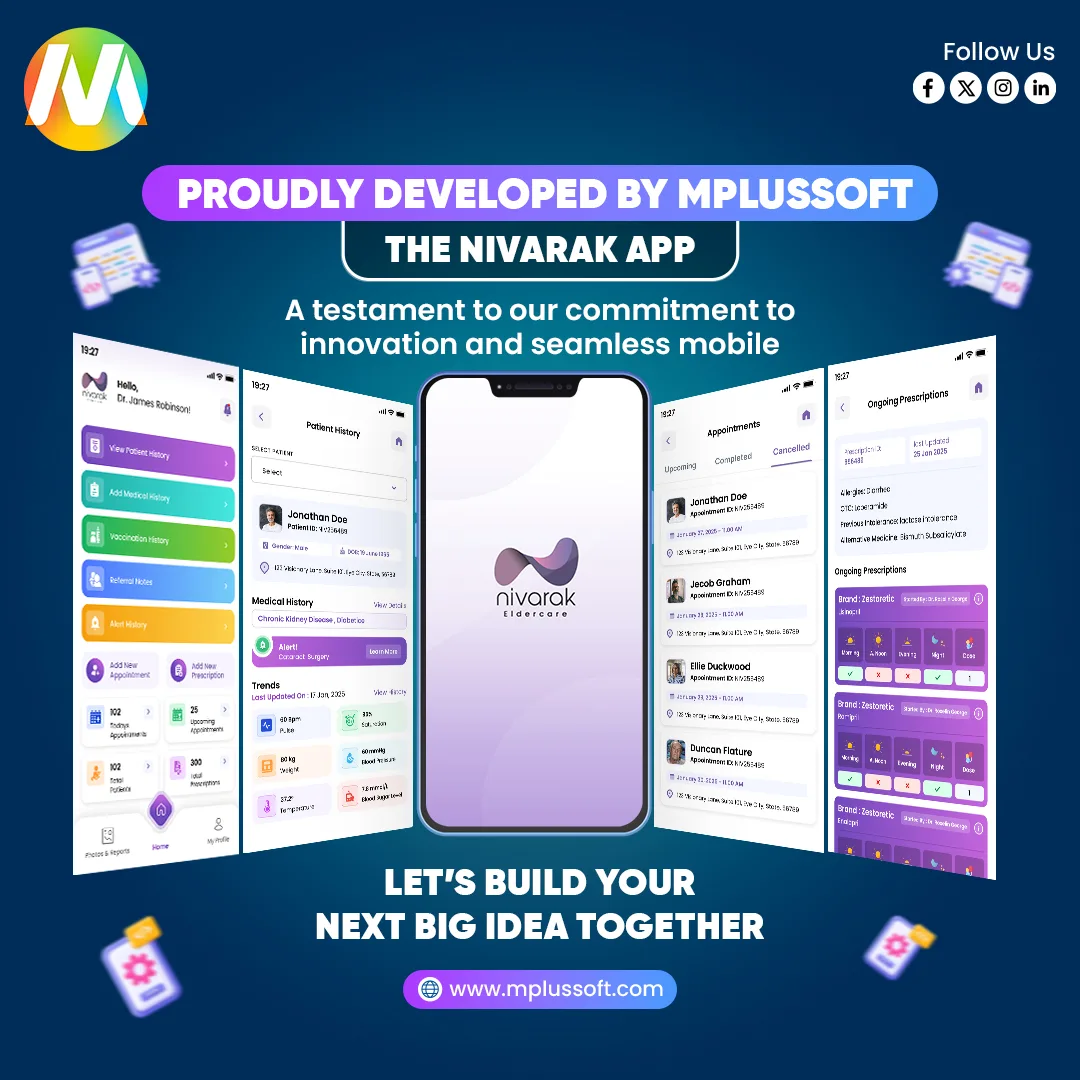
Companies such as Mplussoft operate within this evolving environment, contributing to conversations about how mobile technology can support meaningful digital experiences. Their role reflects the broader growth of India's software ecosystem and the increasing sophistication of mobile product development.
As mobile technology becomes even more integrated into everyday life, the focus is likely to shift further toward quality, usability, and trust. The applications that leave a lasting impact may not be those with the most features, but those that understand how technology fits naturally into human routines. Those interested in exploring these evolving perspectives further may reach out through professional industry channels and ongoing technology discussions.
#iOSDevelopment #MobileApps #DigitalExperience #TechnologyTrends #SoftwareDevelopment #AppInnovation #PuneTech #DigitalTransformation