
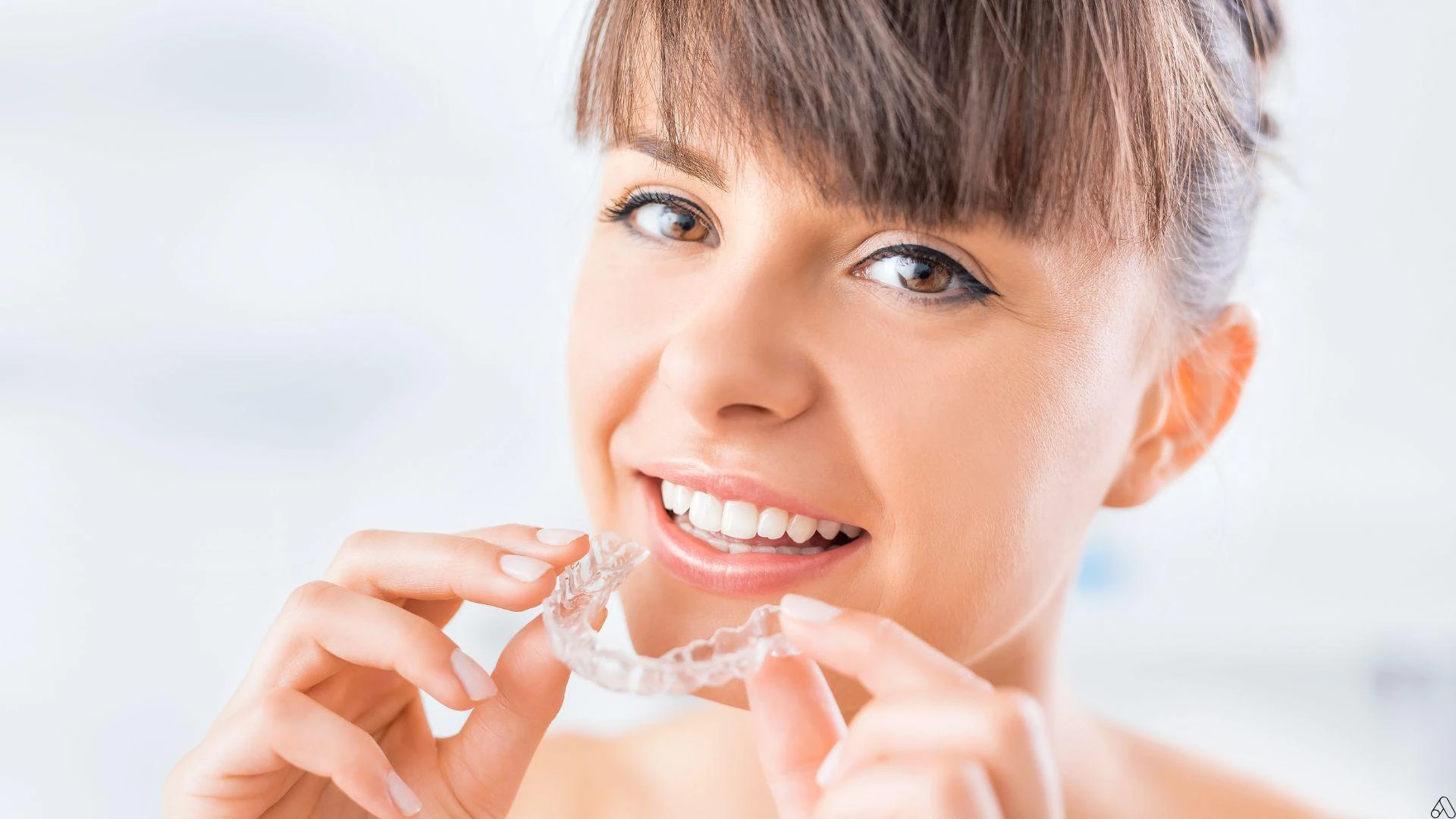
Should you have ever thought about straightening your teeth, odds are you have heard of Invisalign. People all throughout the United Kingdom, particularly in busy cities like London, where appearances and convenience count, have started to choose these clear, removable aligners. Still, one regularly asked issue is: How long does Invisalign therapy take? Knowing the chronology is essential, whether your schedule is hectic and you are a parent juggling job and social life or another busy professional. From average times to elements that could hasten or slow down your path to a flawless smile, let's explore all you need to know about Invisalign treatment length.
Invisalign Treatment's Average Duration
How, then, are we talking – how long? Invisalign treatment normally lasts six to eighteen months. That is rather a broad spectrum, then? Still, your particular situation will determine everything. Treatment might be on the shorter side for someone with minor crowding or spacing concerns. On more difficult alignment issues, like a significant overbite or underbite, however, it could take closer to a year and a half.
Invisalign may be faster than conventional braces, which sometimes take 18 to 24 months. Don't let that, however, mislead you to believe it's a universal fix. Your oral situation and the degree to which you follow your dentist's advice will determine the chronology.
Key Factors Affecting Invisalign Treatment Time
Complexity of the Case
Not all smiles are created equal. If your teeth only need minor adjustments, you could be done in as little as six months. However, more severe misalignments—like crooked teeth, large gaps, or bite issues—require more time. Think of it like renovating a house: a fresh coat of paint is quick, but rewiring the entire place takes longer.
Age and Biological Response
Here’s something you might not know: age can play a role in how quickly your teeth move. Teens and younger adults often see faster results because their teeth and bones are still growing and more responsive to movement. For adults, the process might take a bit longer, but don’t worry—it’s still effective! I remember a friend in her 30s who was sceptical about Invisalign because she thought it was “for teens”. Spoiler: it worked beautifully for her.
Patient Compliance
This is a big one. Invisalign aligners need to be worn for 20–22 hours a day to be effective. If you’re constantly taking them out for snacks or coffee breaks, or forgetting to put them back in, you’re slowing down your progress. Trust me, I’ve seen people try to cheat the system, only to end up extending their treatment time. Stick to the plan—it’s worth it!
Aligner Change Frequency
Most people switch to a new set of aligners every 1–2 weeks, depending on their dentist’s recommendation. If your teeth are moving well, you might be able to change them weekly, which can speed things up. But if your dentist suggests biweekly changes, it’s because your teeth need more time to adjust. Don’t rush it—your smile will thank you later.
Additional Treatments Required
Sometimes, Invisalign alone isn’t enough. Your dentist might recommend attachments (tiny tooth-coloured bumps that help the aligners grip your teeth), IPR (interproximal reduction, which is a fancy term for gently filing between teeth to create space), or refinements (extra sets of aligners at the end of treatment to perfect your smile). These extras can add time, but they’re often necessary for the best results.
Invisalign Treatment Timeline Breakdown
Let's dissect it methodically so you know what to count on.
Initial Consultation & Treatment Planning (1–2 weeks)
You start your path with a consultation. Your dentist will X-ray your teeth and make a 3-D digital model of your smile. This model lets you see your future smile by showing how your teeth will migrate with time. It's quite cool—almost like a makeover preview!
Receiving and Wearing the First Set of Aligners (2–3 weeks)
You will start wearing your bespoke aligners when they are ready. The first few days could seem unusual; your teeth might hurt a little, and you will have to get used to talking with them in. Still, this phase passes fast, so relax. Pro tip: keep your aligners in while reading or watching TV to divert yourself from the first discomfort.
Regular Progress Check-ups (every 6–8 weeks)
Every six to eight weeks you will see your dentist to make sure everything is in order. Though short, these visits are crucial. Your dentist will review your development, provide your next set of aligners, and answer any questions. Like a race's pit stop, it's essential to keep you headed ahead.
Completion & Retainer Phase (post-treatment care)
You will progress to the retainer phase once your teeth are exactly aligned. This is absolutely essential to keep your results. Most people wear retainers full-time for a few months and then only at night. Ignoring this stage is like climbing a mountain and then sliding back down—do not do it!
Is Invisalign faster than other options?
While we all want results yesterday, accelerating Invisalign treatment calls for some planning.
Tips to Speed Up Treatment
- Wear your aligners as directed: 20–22 hours a day, no excuses.
- Switch aligners on time: Don’t delay changing to the next set.
- Avoid hard or sticky foods: They can damage your aligners and slow progress.
- Stay consistent: The more disciplined you are, the faster you’ll see results.
Use of Acceleration Devices
Certain dentists provide devices called Acceledent or Propel, which employ mild vibrations to induce bone remodelling and hasten tooth movement. Though they are not for everyone, these can cut a few months off your treatment schedule.
Importance of Following the Dentist’s Advice
The best knowledge comes from your dentist. Should they advise you on improvements or extra treatments, rely on their knowledge. Though it's tempting, cutting corners won't be worth sacrificing your output.
What Happens After Invisalign?
Congratulations; you really did make it. The road does not stop here, though. You will need to wear retainers as advised to maintain the greatest possible look for your smile. Consider them as the defenders of your fresh smile. Your teeth may move back to their natural places without them, a phenomenon known as relapse.
Also vital is long-term dental treatment. Maintaining your results will depend on regular visits, adequate oral hygiene, and a nutritious diet. You have spent time and effort on your grin; why not guard it?
Final Thought
Your own circumstances will determine the response; most people should expect to wear their aligners for six to eighteen months. Your age, the complexity of your situation, and your adherence to your dentist's advice all have a bearing on things. Although looking for short routes is tempting, the wisest course of action is to remain constant and rely on the system.
Should you be in London and contemplating Invisalign treatment in London, I would advise you to schedule a visit with a licensed dentist. They will address any queries you have and provide a customised chronology. Remember, a straighter smile is about confidence, oral health, and feeling wonderful in your own skin, not only about appearance. So, why wait? Your future grin is only a consultation away!