When you face issues like rising energy costs or uneven indoor temperatures in West Boylston, the condition of your attic insulation is often the culprit. Deciding between a complete removal of existing material and a simple top-up is a common dilemma. If the insulation suffers from water damage, pest contamination, or severe settling, removal is the only viable path to restoration. In cases where the material is simply thin or aged, adding more on top might be sufficient to restore your home's efficiency.
This article explores the specific needs of local homes to help you identify which approach serves your needs best, especially when considering professional insulation solutions in West Boylston, MA. Drawing from years of field experience in residential weatherization, this guide provides the necessary technical details to make an informed choice. Proper insulation management requires balancing initial costs against long-term energy savings and indoor comfort.

Reasons to Choose Full Insulation Removal
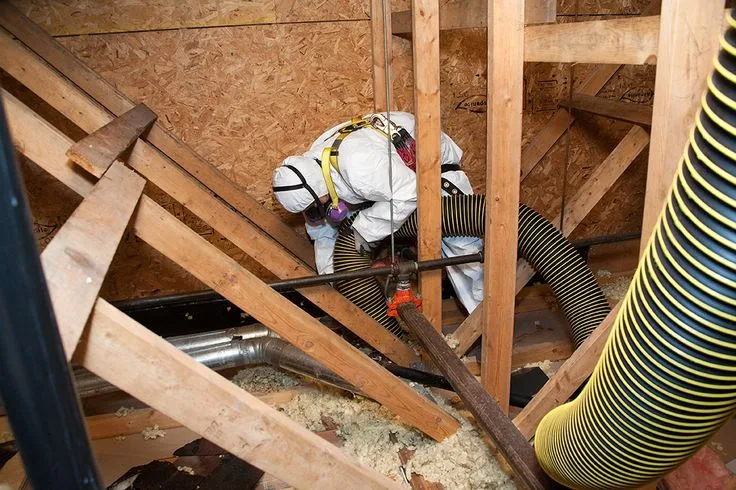
Removing old insulation is a serious project that requires proper safety equipment and disposal methods. You should consider this path if your attic displays signs of significant degradation that a simple addition cannot fix.
- Pest Infestations: If rodents or insects have nested in your insulation, they likely left behind urine, droppings, and pheromones. These biological materials create health hazards and unpleasant odors that persist until the source is removed.
- Water Damage and Mold: Massachusetts winters bring ice dams and roof leaks. Once insulation becomes wet, it loses its thermal resistance and becomes a breeding ground for mold spores, which can degrade your indoor air quality.
- Asbestos or Old Materials: Older homes in West Boylston may contain vermiculite or other hazardous materials. If you suspect your insulation contains these, professional removal is the only safe option to protect your family from toxic particles.
- Fire Hazards: If old electrical wiring is buried under loose-fill insulation, it poses a fire risk. Clearing the attic allows you to inspect and update wiring, ensuring your home meets current safety codes.
Bonus Tip: Before you hire a contractor for removal, ask for a post-removal inspection of the attic floor to identify hidden gaps or holes that allow air leaks.
Factors for Choosing Insulation Replacement or Top-ups
If your existing insulation is clean, dry, and free of pests, you might not need a total clean-out. Many homes simply suffer from under-insulation, which happens when materials compress over time.
- Settling Issues: Loose-fill fiberglass and cellulose settle over many years, losing the air pockets that provide thermal protection. Adding a fresh layer can return your attic to the required R-value.
- Energy Efficiency Gaps: If you find that your heating system runs constantly during cold spells, a quick top-up of cellulose or fiberglass can stop heat from escaping through the roof.
- Budget Considerations: Adding material is cheaper than full removal because it eliminates the labor costs of clearing, bagging, and hauling away waste.
- Installation Speed: Top-up projects are often completed in one day, causing minimal disruption to your daily routine.
Decision Factors Before You Finalize Your Plan
Evaluating your specific home conditions is the best way to determine your path forward. Use the table below to compare how common issues dictate the right action.

Bonus Tip: Consider installing proper ventilation baffles when you top up your insulation. This ensures that the new material does not block the soffit vents that keep your roof deck dry.
Climate Specifics for West Boylston Homes
The local climate in Worcester County demands high thermal performance from your home. Winters here bring prolonged freezing temperatures, while summers can be humid and warm. This temperature variation places immense stress on your attic insulation.
- Ice Dam Prevention: In West Boylston, heat escaping from your home into the attic melts snow on your roof. That water then refreezes at the eaves, forming ice dams that push water under shingles. Proper insulation replacement prevents this heat loss.
- Air Sealing: It is rarely enough to just add more insulation. Before you add a new layer, ensure your contractor seals penetrations where lights, plumbing, and chimneys exit the attic. This stops moist air from entering the space.
- Material Selection: Cellulose is a popular choice for local retrofits because it fills small gaps better than fiberglass batts. It also provides decent resistance to air movement, which helps during windy winter days.
Safety Protocols for Attic Work
You should never handle insulation removal yourself if you are not equipped for the task. The process creates airborne particles that are dangerous to inhale.
- Respiratory Protection: Professionals use HEPA-filtered vacuums and respirators to ensure that dust and old debris do not enter your living space.
- Containment: The work area must be sealed off from the rest of the house to prevent cross-contamination of your HVAC system.
- Proper Disposal: Old insulation is often classified as construction waste. You must ensure that it is disposed of according to local regulations in West Boylston.

Determining Your Long-Term Goals
Think about your future plans for the property. If you intend to stay in your home for another decade, investing in full removal and high-quality replacement often pays for itself through utility savings. If you are preparing the house for sale, a clean, properly insulated attic serves as a strong selling point for potential buyers.
- Audit Your Needs: Schedule a blower door test to see exactly where your house leaks air. This test clarifies whether you need to spend money on insulation or if you should focus on sealing gaps first.
- Long-Term Comfort: Even if you choose to just top up, make sure the work is done to meet the latest energy codes. This ensures that your home stays comfortable during the worst of the New England winter.
Helpful Guidance and Contact Information for Insulation Services
When your home requires a professional touch, consulting with specialists ensures that your insulation project is handled correctly. You might reach out to Lamothe Insulation at [email protected] or call (508) 847-0119 to discuss your specific situation. They can guide you through the process of determining if you need a total removal or a simple upgrade, offering support to ensure your home in West Boylston maintains its comfort and efficiency throughout the year.
Commonly Asked Questions Regarding Attic Insulation
How do you know if insulation is failing?
You might notice high energy bills, cold drafts in rooms, or ice building up on your roof in winter. If you see signs of dampness or dark staining on the attic floor, the material has likely lost its effectiveness.
Can you install new insulation over old material?
Yes, but only if the existing insulation is dry and free of biological contaminants. If the old layer is infested with pests or contains mold, you must remove it entirely before placing new material down.
Does insulation removal affect your indoor air quality?
Yes, it improves it. Removing old, dusty, or moldy insulation prevents those allergens and particles from circulating through your house. Clean, fresh insulation keeps the air in your living space healthier.
How often should you replace your attic insulation?
Most insulation materials last for many years. However, if the home has experienced leaks, pest activity, or settling, an inspection every five to ten years helps you decide if it is time for an upgrade.
What is the difference between R-value and thickness?
R-value measures how well the material resists heat flow. While thickness relates to the R-value, some materials have higher thermal resistance per inch than others. A professional helps you choose the right amount to reach your target efficiency.