Insulation experts recommend updates because older materials often lose performance over time, and air leaks can develop in the same spots where homes shift or settle. In Fresno, the real issue is usually not the heating or cooling system. It is the building envelope that allows hot air in and cool air out, or vice versa.
When professionals assess insulation, they look for gaps, compressed material, and weak sealing. Those observations help homeowners make targeted upgrades that improve comfort, lower energy use, and reduce the strain on HVAC systems.
Why Insulation Updates Matter for Fresno Homes
Fresno has long summers and cooler nights in winter. That means homes need insulation that handles both heat gain and heat loss. Experts recommend updates because many homes were built before modern air sealing standards, and older insulation can settle or lose coverage.
Insulation updates often address common complaints such as uneven room temperatures and excessive cooling use. When experts spot the root cause, they can recommend the right insulation type and placement.
Common Signs That Insulation Needs Updating
Insulation experts often see the same warning signs in homes that need upgrades. These signs show up in everyday comfort issues.
- Rooms that stay warm even when the AC runs
- Drafts near windows, doors, or outlets
- High humidity or musty smells in lower levels
- Uneven temperature between floors or corners
How Experts Decide What Needs Work
Professionals evaluate both the insulation and the air sealing. They check attic access, wall cavities, rim joists, and crawl spaces. This helps them identify where air is leaking or where insulation is missing.
Bonus Tip for Better Results
Homeowners should inspect attic access and insulation depth first. Even a small gap at the attic hatch can undo the benefits of new insulation.
What Experts Observe During an Insulation Evaluation
Experts look for gaps, compressed insulation, and signs of moisture. They also check if insulation was installed around wiring, plumbing, and ductwork. These are common spots where gaps form.
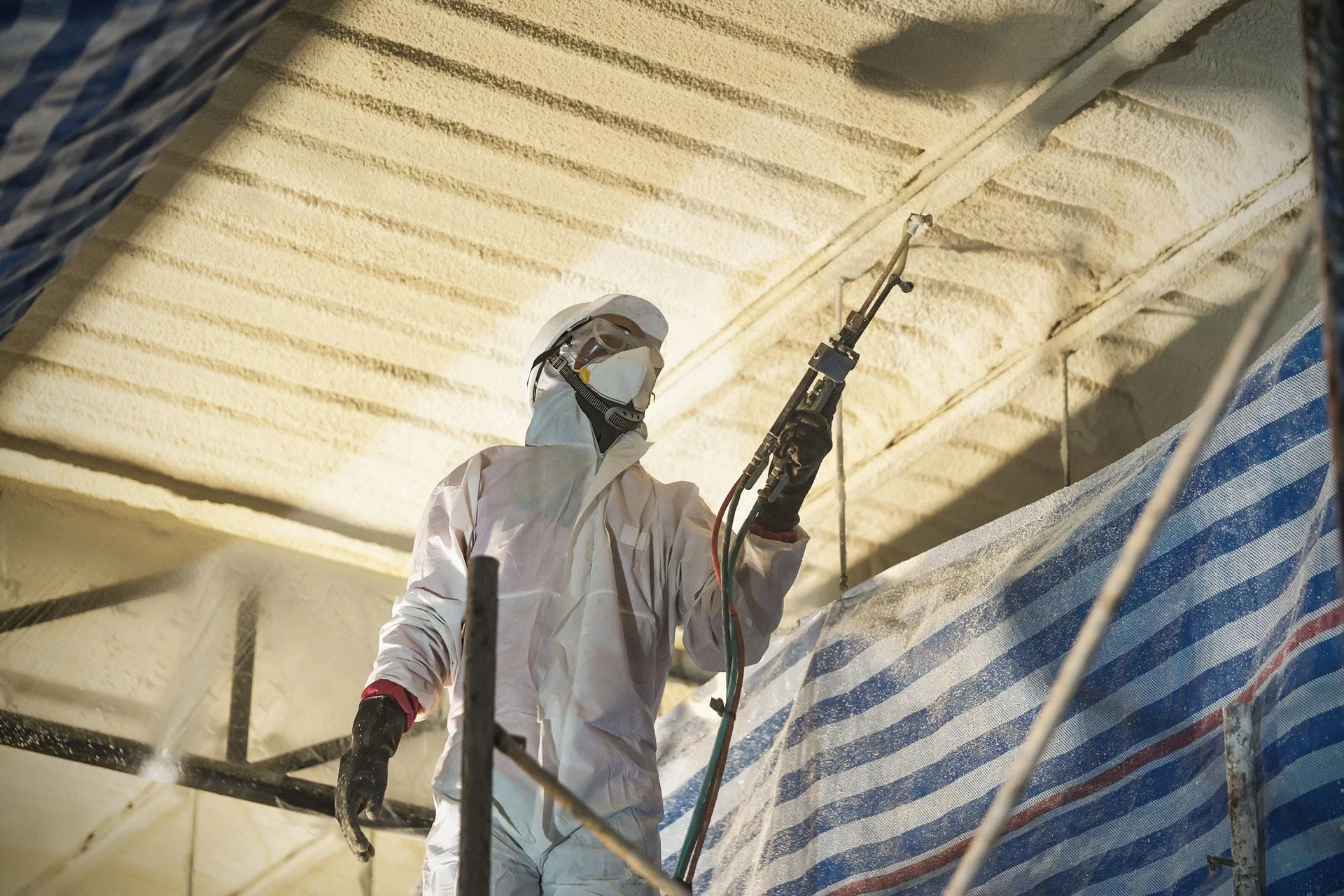
When insulation is not continuous, it creates thermal bridges that allow heat to move through walls and ceilings. Spray foam often helps because it fills gaps and creates a tight barrier.
The Role of Air Sealing in Insulation Performance
Insulation works best when the building envelope is sealed. Experts often find that air leaks are the real problem, not the insulation type.
Air sealing prevents warm air from entering in summer and keeps heat inside in winter. This makes HVAC systems more effective and helps indoor temperatures stay stable.
How Spray Foam Fits into the Solution
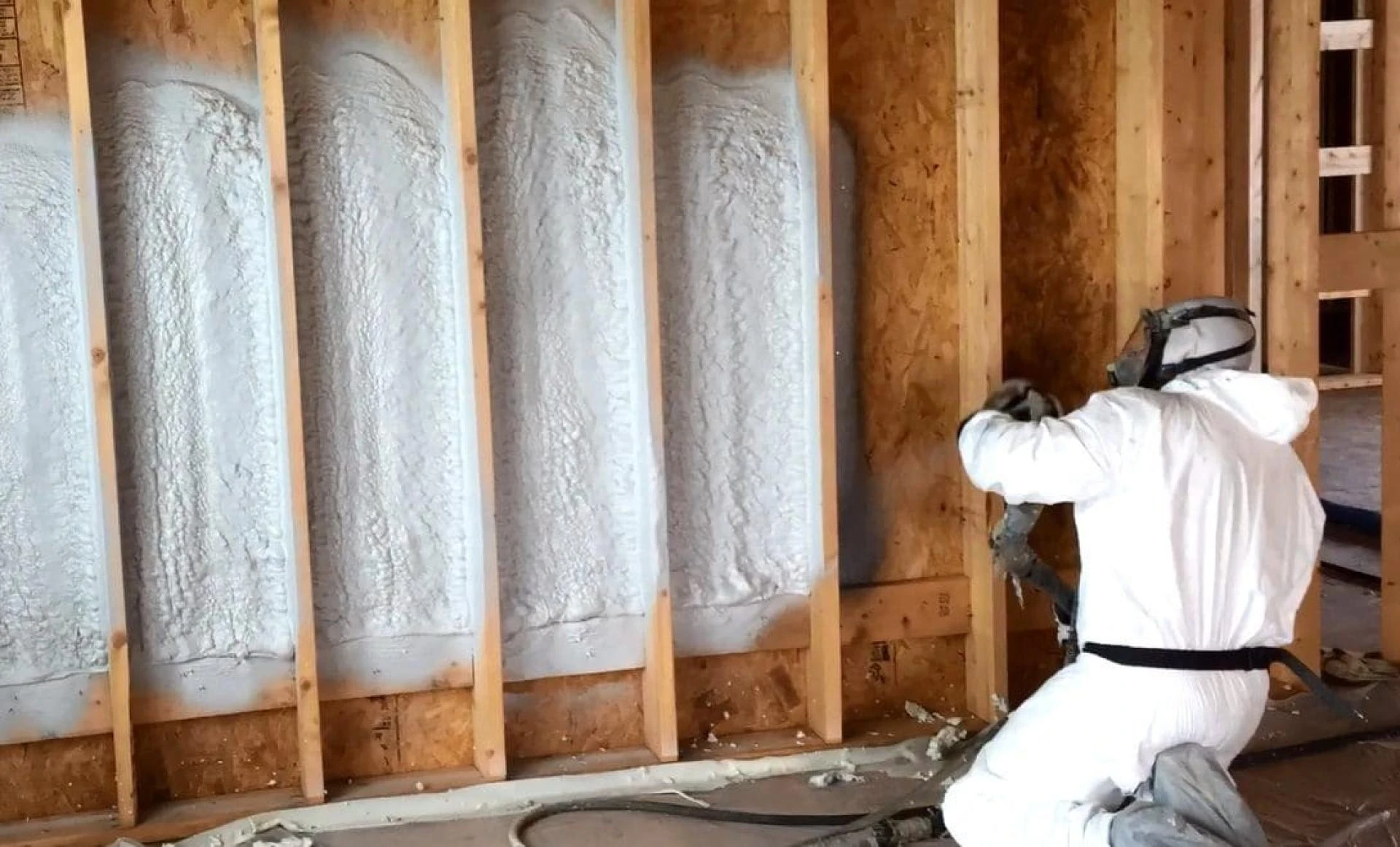
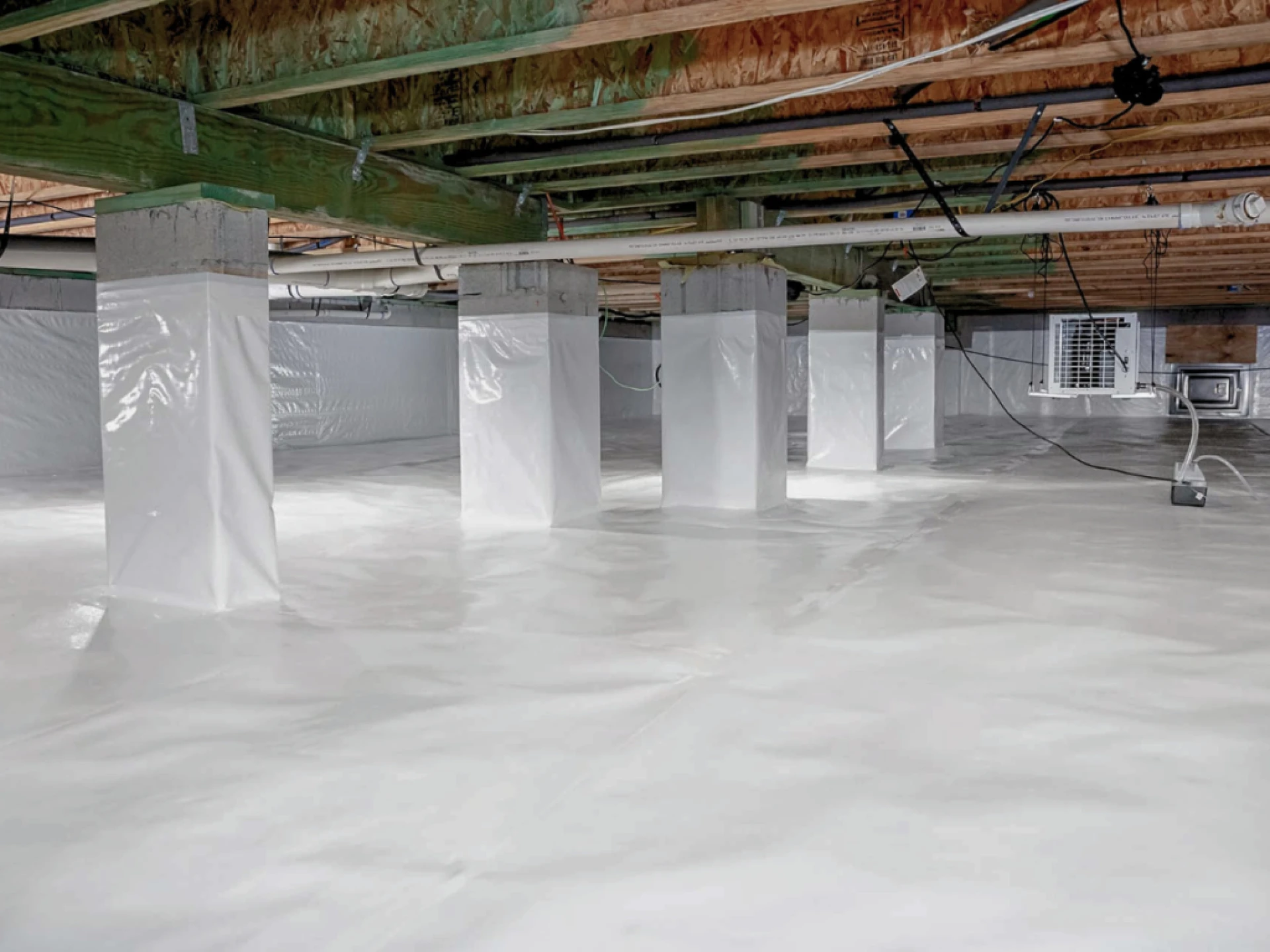
Spray foam provides both insulation and air sealing in one step. It fills gaps and creates a continuous barrier. Experts often recommend spray foam for rim joists, attic edges, and crawl spaces where leaks are common.
Bonus Tip for Installation Success
A clear workspace helps. Removing stored items from the attic or crawl space lets professionals reach the areas that matter most.
Comparing Insulation Options Based on Expert Observations
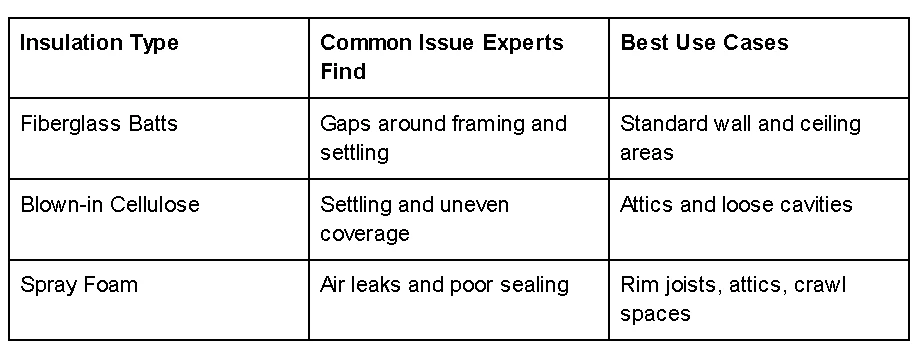
Experts often compare common insulation types to decide what fits a specific home. The table below shows how different materials perform in real-world conditions.
Why Updates Are Recommended Even When Insulation Exists
Many homes already have insulation but still feel uncomfortable. Experts recommend updates because the issue is often coverage, sealing, or moisture.
Insulation can be in place but not performing. When experts identify missing areas or compressed insulation, they can recommend a targeted upgrade rather than a full replacement.
Things to Consider Before Making a Decision
Before updating insulation, homeowners should evaluate key factors. These help them choose the right approach and avoid wasted effort.
- The home’s age and construction style
- Signs of air leaks or uneven comfort
- Presence of moisture or mold in the attic or crawl space
- Access to insulation areas for inspection and work
- Long-term goals like energy savings or improved comfort
Bonus Tip for Better Planning
Homeowners should plan upgrades in cooler months. This helps them avoid heat stress and gives professionals a better chance to inspect key areas.
How Updates Improve Home Performance and Comfort
Insulation updates improve comfort by stabilizing indoor temperature. They also reduce the load on HVAC systems, thereby extending system life and reducing maintenance needs.
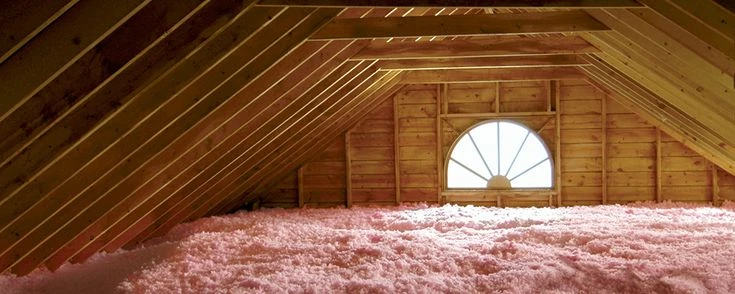
When experts recommend updates, they often focus on the areas that cause the most energy loss. This targeted approach yields better results than broad, expensive upgrades.
Questions People Ask About Insulation Updates
How do they know if insulation is failing?
They check for compressed material, gaps, and air leaks. Experts also look for temperature differences between rooms and signs of moisture.
Will updating insulation reduce energy use?
Yes, when updates address air leaks and missing coverage. The HVAC system can run less often and keep indoor temperatures more stable.
Can insulation updates improve indoor air quality?
Yes, sealing air leaks limits outdoor pollutants and dust from entering the home. Proper ventilation still matters for indoor air quality.
How long do insulation updates last?
When installed correctly, updated insulation can last for many years without settling. The barrier remains effective as long as moisture is controlled.
Are updates needed for older homes?
Older homes often need updates because building standards have changed. Experts often find gaps and missing coverage in older framing and attics.
Final Summary
Insulation experts recommend updates because they see common performance problems in homes that affect comfort and energy use. By identifying air leaks, missing coverage, and moisture issues, experts can recommend targeted upgrades that deliver real results. Homeowners benefit from a clear plan and a focused approach that addresses the root cause of discomfort.
Next Steps for Homeowners
Homeowners looking for reliable guidance can reach out to Supreme Spray Foam Fresno for an evaluation of insulation needs. They can contact the team at [email protected] or call (559) 545-0800 to discuss options and next steps.
Reviewer: Emma Robinson contributed her knowledge from 8 years of working in the spray foam industry. Her review helped shape this content, grounded in what contractors and homeowners actually value.