The summer season in Australia is known for unexpectedly high temperatures and an uncomfortable environment, even in your backyard. The fact is, your backyard and outdoor patio can become heat traps during the summer in Australia. A patio is often considered an adequate solution for shade and comfort, but by midday it feels stifling. The reason is an inappropriate roof design, which is why most homeowners now prefer insulated patio roofing structures. These structures have become a popular upgrade for patios in Australia, as they can better handle heat and provide comfort by reducing glare, noise, and other effects of the climate. However, people are really confused about choosing between non-insulated and insulated patio roofing structures. The fact is that the difference can affect much more than comfort. The choice will influence how your patio structure performs, not just in the summer.
IMPORTANCE OF PATIO ROOFING STRUCTURES IN AUSTRALIAN CLIMATE CONDITIONS
Patios in Australia have to face severe weather conditions, harsh sunlight and unexpected temperature swings. In this situation, the roof structure becomes very useful, but the basic roof can provide only shade, not heat control or noise reduction. The original roofing structure struggles during the summer, which is why patio builders recommend that homeowners upgrade to insulated patio roofing.
Insulated roofing panels solve several common issues at once, like:
● Reduced radiant heat under the patio
● Better sound control during rain
● Increased durability
● Cleaner, more finished appearance
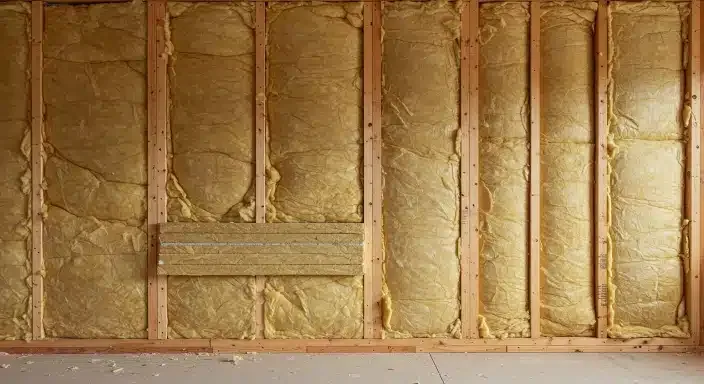
According to the Australian Government's Energy Efficiency Resources, proper insulation plays a major role in reducing heat transfer through building surfaces and improving comfort outdoors. External structures like patios benefit from the insulated layer that limits thermal gain, and you can use these structures as an entertaining area or for outdoor dining on beautiful evenings.
WHAT IS INSULATED PATIO ROOFING?
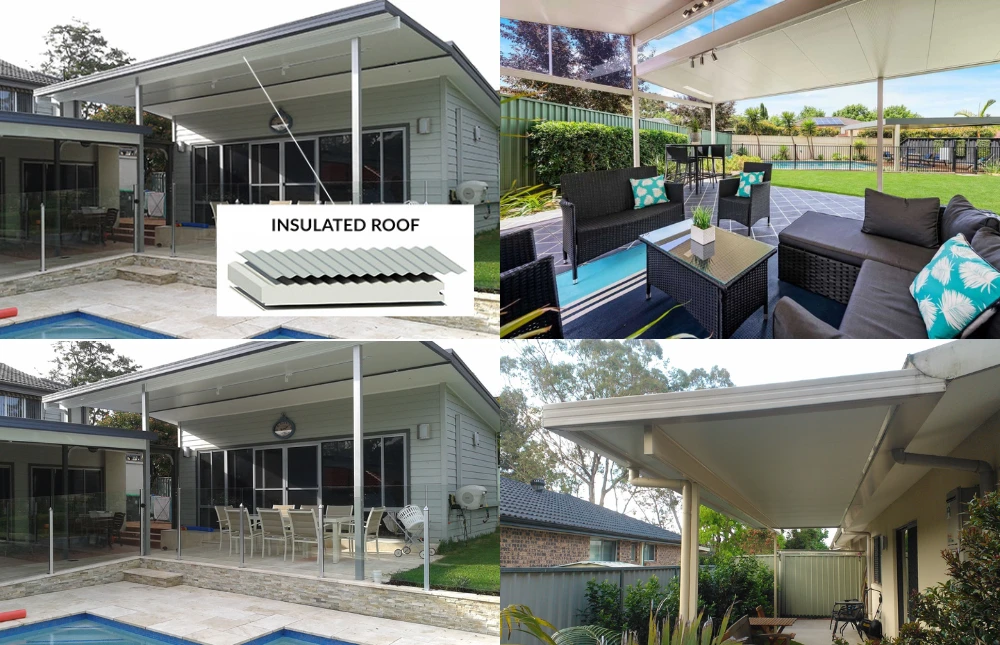
An insulated patio roofing structure uses composite panels rather than a single metal sheet. These panels have 3 layers:
● Top Metal Roofing Sheet
● Insulated Core
● Internal Ceiling Layer
The insulation core layer has a rigid form installed to reduce heat transfer. This design delivers multiple performance benefits to users, like –
● Maintains cooler temperatures underneath
● Reduces condensation
● Softens rainfall noise
● Creates a more finished ceiling appearance
WHAT IS A NON-INSULATED PATIO ROOFING STRUCTURE?
Non-insulated patio roofing structures have a single sheet of metal, and this metal can be corrugated steel or the panel can be of polycarbonate. Builders find it very easy to install directly onto the roof framing. This non-insulated patio roof remains a popular choice, as the solution is straightforward and they provide impressive shade, apart from being easy to install. Some common characteristics of non-insulated patio roofing structures are –
● Lower installation cost
● Lightweight construction
● Faster build time
● Wide availability
The drawback of these non-insulated roofing structures is that they fail to stop heat transfer, and the sunlight can heat up the metal sheets really quickly. The warmth radiates into the patio space below on extremely hot days and can make life really uncomfortable.
KEY BENEFITS OF INSULATED PATIO ROOFING STRUCTURE
Homeowners in Australia prefer insulated patio roofing structures as they understand the improvement that this addition will provide in their overall outdoor comfort. Some top advantages of these structures are reviewed below.
BETTER HEAT CONTROL
The insulation core in these structures reduces heat transfer through the roof panel, keeping your patio cooler during summer afternoons. Without insulation, the metal roofing will absorb sunlight and transfer heat directly into your patio structure. The bottom line is that insulated panels play a major role in reducing the effect of harsh sunlight.
REDUCED RAIN NOISE
Anyone who has sat under a metal roof will understand the noise that rain generates, particularly in patio structures. They don't know how long the rain will last, and this is why insulated patio roofing structures are recommended. They dampen the noise, and this means you can use your patio as an entertaining area even during the peak rainy season.
IMPROVED APPEARANCE
Insulated patio roofing structures have a finished internal shading surface to give your patio structure a clean architectural look. There will be no exposed rafters or sheet undersides, and this is a major reason why people across the nation rely upon insulated patio structures. You can even match the internal finish of this roofing with the house's ceiling colour for a more streamlined appearance.
IMPROVED STRUCTURAL PERFORMANCE
Insulated panels offer wider spans than standard roofing sheets for patio structures. With this kind of setup, less support is needed for the entire roofing structure. Your patio will remain more airy, open and spacious.
Last but not least, these roofing structures contribute enormously towards improving your property's resale value in the Australian property market. A well-designed insulated patio roofing structure will appeal more to buyers compared to a non-insulated roof or a basic shade structure.
ADVANTAGES OF NON-INSULATED PATIO ROOFING
Despite its limitations, the non-insulated version of patio roofing structures is ideal for certain situations for the following reasons.
LOWER INITIAL COST
If budget is your biggest concern in terms of patio roofing structures, you can go with standard roofing sheets or an insulated patio roofing structure. The product and installation costs are noticeably lower.
QUICK INSTALLATION
Non-insulated patio roofing can be installed quickly, particularly in smaller projects. They are suitable for simple shade structures. The insulation is not required if you are an occasional user of your patio structure. Builders recommend the non-insulated version for small gardens, shelters, carports and for temporary outdoor structures.
COMPARING PATIO ROOFING OPTIONS
The choice usually comes down to how the patio will be used.
Feature Insulated Patio Roofing Non-Insulated Patio Roof
Heat control Excellent Limited
Rain noise Reduced Loud during storms
Appearance Finished ceiling Exposed structure
Cost Higher Lower
Durability Strong composite panels Standard roofing sheets
Comfort level High Moderate
WHY INSULATED PATIO ROOFING MAKES MORE SENSE?
Insulated patio roofing structures work best when the patio is used as an extension of your main property rather than just a shelter. Numerous situations arise when insulated panels of these structures emerge as very useful, like –
● Outdoor dining areas
● Entertainment patios
● Poolside patios
● Alfresco kitchens
● Large patio extensions
You will find builders recommending the insulated version for your patio if it is larger than 20 square metres, because heat build-up becomes more noticeable in bigger areas and more spacious patio structures.
Proper planning will be required to get the best outcome from your insulated patio roofing. A good quality design should be prioritised, and some key planning elements to discuss during installation are –
● Sun orientation
● Roof height
● Ventilation
● Gutter drainage
● Material durability
FAQs
IS INSULATED PATIO ROOFING WORTH THE EXTRA COST?
● Yes, particularly for patios used regularly.
● Insulated roofing reduces heat and noise.
● They create a more comfortable outdoor area.
HOW MUCH COOLER IS AN INSULATED PATIO ROOF?
● Temperature differences vary depending on design and orientation.
● Insulated roofs can significantly reduce radiant heat compared with single metal sheets.
CAN INSULATED PATIO ROOFS HANDLE HEAVY RAIN?
● Insulated panels use durable metal outer layers and rigid internal cores designed to withstand harsh Australian weather conditions.
DO INSULATED PATIO ROOFS NEED COUNCIL APPROVAL?
● Approval requirements vary by location and structure size.
● Many patios require permits or compliance checks through local councils or private certifiers.
HOW LONG DO INSULATED PATIO ROOFS LAST?
● Quality insulated panels often last decades when installed correctly and maintained properly.
Your patio roof will determine whether your outdoor space will become the favourite hang-out spot for your family or not. An insulated patio roofing structure will deliver the comfort and value that you want from your property. Your patio will remain cooler, quieter and more entertaining. Evaluating all the options is not bad, but remember that insulated patio roofing has the calibre to transform your simple patio into a year-round outdoor living area.