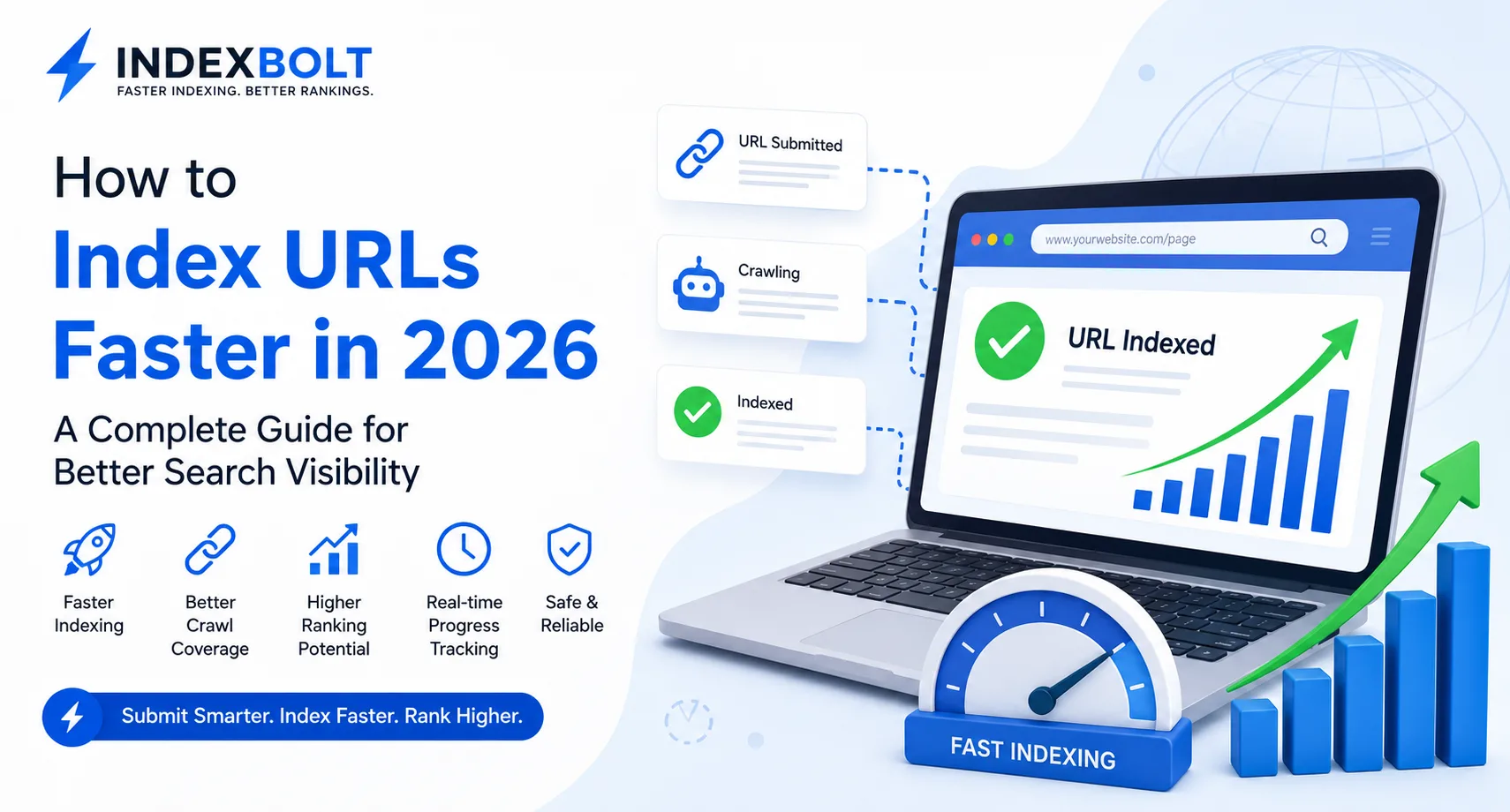
In today’s competitive SEO environment, publishing content is only half the battle. The real challenge begins after a page goes live—getting it discovered and indexed quickly by search engines. In 2026, businesses are increasingly focused on instant URL indexing to reduce delays and improve ranking opportunities.
Faster indexing helps websites appear in search results sooner, allowing businesses to capture traffic, leads, and conversions more efficiently.
This article explores why instant URL indexing matters, common indexing obstacles, and how modern businesses are improving search visibility.
What Is Instant URL Indexing?
Instant URL indexing refers to improving the speed at which newly published or updated pages are discovered and processed by search engines.
The goal is simple: reduce the gap between publishing and search visibility.
A faster indexing workflow allows pages to:
- become searchable sooner
- compete for rankings earlier
- generate traffic faster
In fast-moving industries, this speed can create a significant SEO advantage.
Why Fast Indexing Matters in 2026
Search competition is more aggressive than ever.
Businesses publish large amounts of content daily, including:
- landing pages
- blog articles
- product pages
- location pages
- resource content
Without fast indexing, valuable pages may sit unnoticed for days or weeks.
This can result in:
- delayed rankings
- lost traffic opportunities
- slower campaign ROI
- reduced content effectiveness
Fast indexing supports stronger SEO momentum.
Challenges Preventing Fast Indexing
Many websites still face indexing bottlenecks.
Common obstacles include:
Limited Crawl Frequency
Search engines allocate crawl resources strategically.
Websites with lower authority often receive fewer crawl visits.
Poor Internal Linking
Pages disconnected from the site structure are harder to discover.
Orphan pages are particularly vulnerable.
Technical SEO Issues
Technical problems commonly affecting indexing include:
- blocked crawl paths
- noindex directives
- canonical conflicts
- broken links
- server instability
These issues can slow or block indexing.
Content Quality Filters
Search engines increasingly evaluate quality before indexing.
Low-value pages may be deprioritized.
Strategies for Faster URL Indexing
Businesses are improving indexing speed using several methods.
1. Strengthen Site Architecture
A clean site structure improves crawl efficiency.
Best practices:
- clear navigation
- logical categories
- shallow crawl depth
This helps search engines discover pages faster.
2. Improve Internal Linking
Internal links guide crawlers toward important URLs.
Recommended tactics:
- link from authority pages
- add contextual links
- maintain topic clusters
This strengthens discovery pathways.
3. Maintain Updated XML Sitemaps
An XML sitemap improves page discovery.
Keep it:
- updated automatically
- limited to indexable URLs
- free of errors
This supports efficient crawling.
4. Build External Signals
Backlinks improve discoverability.
Useful sources include:
- guest articles
- press releases
- niche directories
- PR campaigns
External signals help search engines find content faster.
5. Use URL Indexing Platforms
Manual indexing workflows are increasingly inefficient.
Businesses now use indexing platforms to improve submission workflows and crawl exposure.
Benefits include:
- faster URL processing
- submission automation
- bulk URL support
- improved operational efficiency
This is especially valuable for websites publishing at scale.
Why Businesses Are Choosing IndexBolt
Modern SEO teams require faster indexing solutions.
Platforms like IndexBolt are gaining attention in 2026 for supporting:
- accelerated URL submissions
- scalable indexing workflows
- bulk processing
- improved crawl visibility
This helps businesses reduce indexing delays and improve search readiness.
Who Benefits from Faster Indexing?
Fast indexing is valuable for:
- SEO agencies
- publishers
- affiliate marketers
- e-commerce stores
- SaaS companies
- local businesses
Any website relying on organic traffic can benefit.
Future of Instant Indexing
SEO is becoming increasingly automation-focused.
Businesses that improve indexing efficiency will have a stronger advantage in content discovery and ranking speed.
As content velocity increases, fast indexing will continue to play a major role in SEO performance.
Final Thoughts
Instant URL indexing is no longer optional in 2026.
Businesses need efficient workflows to ensure pages are discovered quickly and remain competitive in search results.
By combining technical SEO best practices, stronger discovery signals, and indexing platforms like IndexBolt, websites can improve search visibility and accelerate growth.