
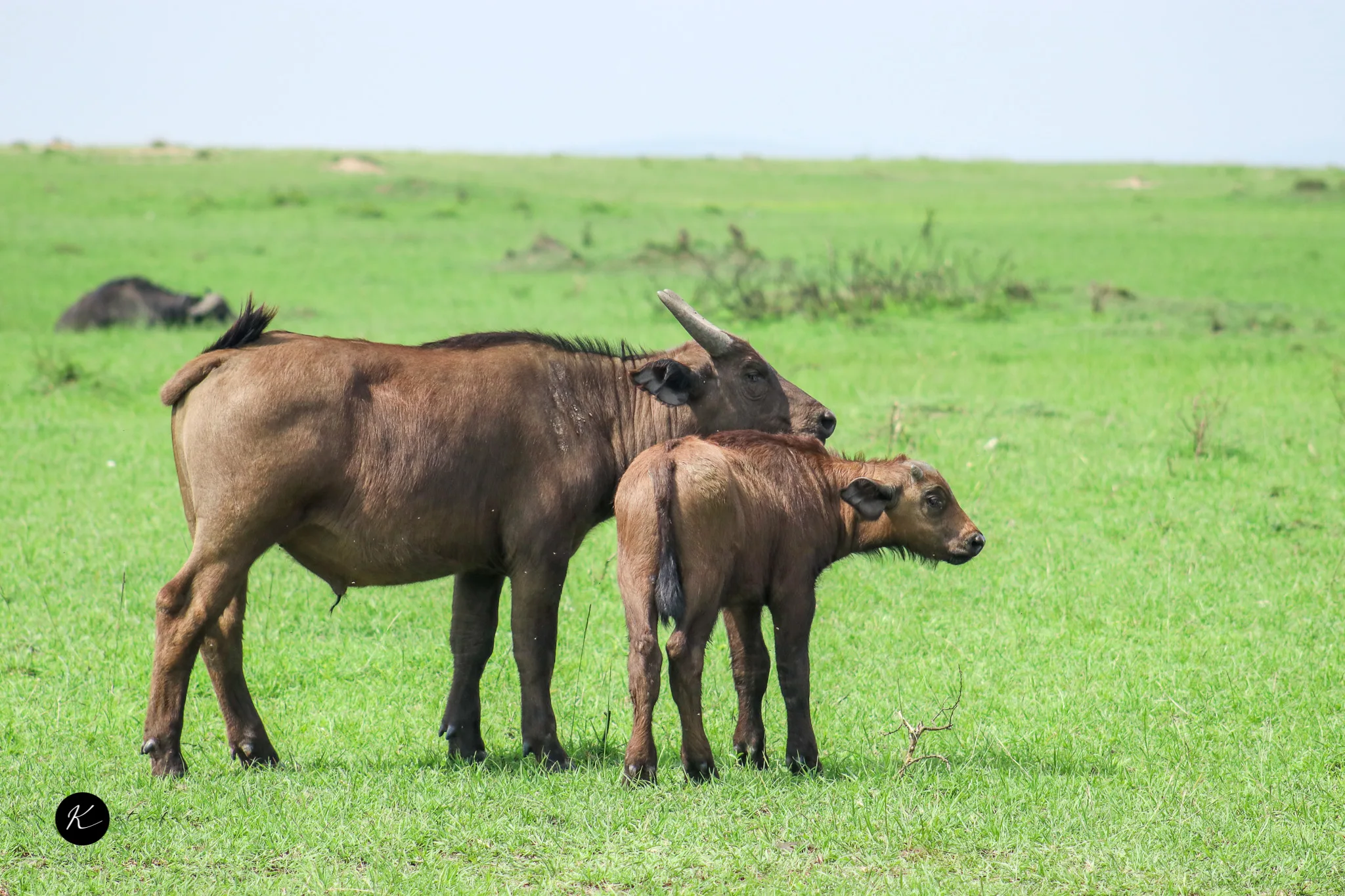
Photos of the Ngorongoro Crater never quite capture what it feels like to actually be inside it. Descriptions call it "Africa's Eden" or "the world's largest intact caldera," but those phrases don't tell you what the morning actually looks like, how close the wildlife really gets, or why a single day here can feel more eventful than three days in a larger park. This is a walkthrough of what a typical crater day looks like, hour by hour, from the pre-dawn wake-up to the drive back out.
Before Sunrise: Leaving the Rim
Most crater visits begin absurdly early, often before 6 a.m., with a quick coffee before heading to the vehicle. Lodges sit along the crater rim, roughly 2,000 feet above the floor, and the descent road winds down through thick highland forest still wrapped in mist at that hour. It's cold, often colder than travellers expect from an East African safari, and jackets are essential for this part of the drive.
The Descent Itself
The drive down takes about 30 to 45 minutes on a rough, switchbacking track. As the vehicle drops in elevation, the forest thins out and the crater floor gradually reveals itself below, a vast, flat expanse of grassland, lakes, and scattered acacia trees ringed by the crater walls. It's the kind of view that photographs undersell, mostly because a photo can't convey the scale of the place, roughly 100 square miles contained within walls that rise nearly 2,000 feet on every side.
Mid-Morning: Where the Wildlife Density Becomes Obvious
By the time the vehicle reaches the crater floor, usually around 7 a.m., the difference from an open savanna game drive becomes clear almost immediately. Because the crater is a closed ecosystem with limited migration in or out, animals are concentrated far more densely than in most other parks.
What Shows Up First
- Lions: Often visible within the first hour, sometimes resting in open grass with little regard for passing vehicles.
- Wildebeest and zebra: Large mixed herds graze across the grassland almost constantly throughout the morning.
- Elephants: Typically bulls rather than full herds, often moving alone or in small groups near the swampier sections.
- Hyenas: Frequently spotted near dens, particularly around mid-morning when activity picks up.
Guides tend to communicate by radio here more than in larger parks, since a single big cat sighting can be relayed and reached by multiple vehicles within minutes, given how contained the area is.
Midday: The Lakes and the Rhino
By late morning, most routes head toward Lake Magadi, a soda lake that draws flamingos in large numbers depending on water levels. This is also one of the more reliable areas to spot black rhino, one of the crater's signature draws given how rare the species has become elsewhere in Tanzania. Sightings aren't guaranteed, but the crater holds one of the last viable rhino populations in the country, and guides generally know which sections to check based on recent activity.
Picnic Lunch on the Crater Floor
Around midday, most itineraries stop at one of a handful of designated picnic sites, often near a hippo pool. These stops are fenced or at least clearly marked to keep opportunistic scavengers, particularly black kites, from swooping in on food left unattended. It's a strange, memorable experience: eating a packed lunch in the open while hippos wallow nearby and the crater walls rise in every direction.
Afternoon: The Climb Back Out
By early afternoon, most vehicles begin working their way back toward the ascent road. The pace slows here, partly because the morning's energy has settled and partly because afternoon light tends to be better for photography. The climb back up to the rim takes roughly the same 30 to 45 minutes as the descent, and it's common to catch a last look back over the crater floor before the road disappears into forest again.
Planning Around a Crater Day
A crater visit is almost always built into a longer northern circuit rather than treated as a standalone trip, since access typically comes through a rim lodge reached via Arusha or paired with a stop at Tarangire or Lake Manyara beforehand. For travellers mapping out how this fits into a broader trip, looking at established tanzania safari packages is a practical way to see how operators typically sequence the crater alongside these other parks.
A Few Practical Notes
- Timing: An early start matters more here than in most parks, since wildlife activity is highest in the cooler morning hours before the midday heat sets in.
- Layers: Rim temperatures can be significantly colder than the crater floor, so dressing in layers avoids discomfort on the way down.
- Duration on the floor: Vehicles are typically permitted a set number of hours inside the crater, so guides plan routes carefully to cover the highlights within that window.
Final Thoughts
A day in the Ngorongoro Crater doesn't unfold like a typical safari day. The descent, the density of wildlife, the strange calm of lunch beside a hippo pool, and the climb back out all combine into something that feels more like stepping into a self-contained world than driving through a park. For travellers wondering whether the crater lives up to its reputation, the honest answer is that most leave feeling it undersold itself.