
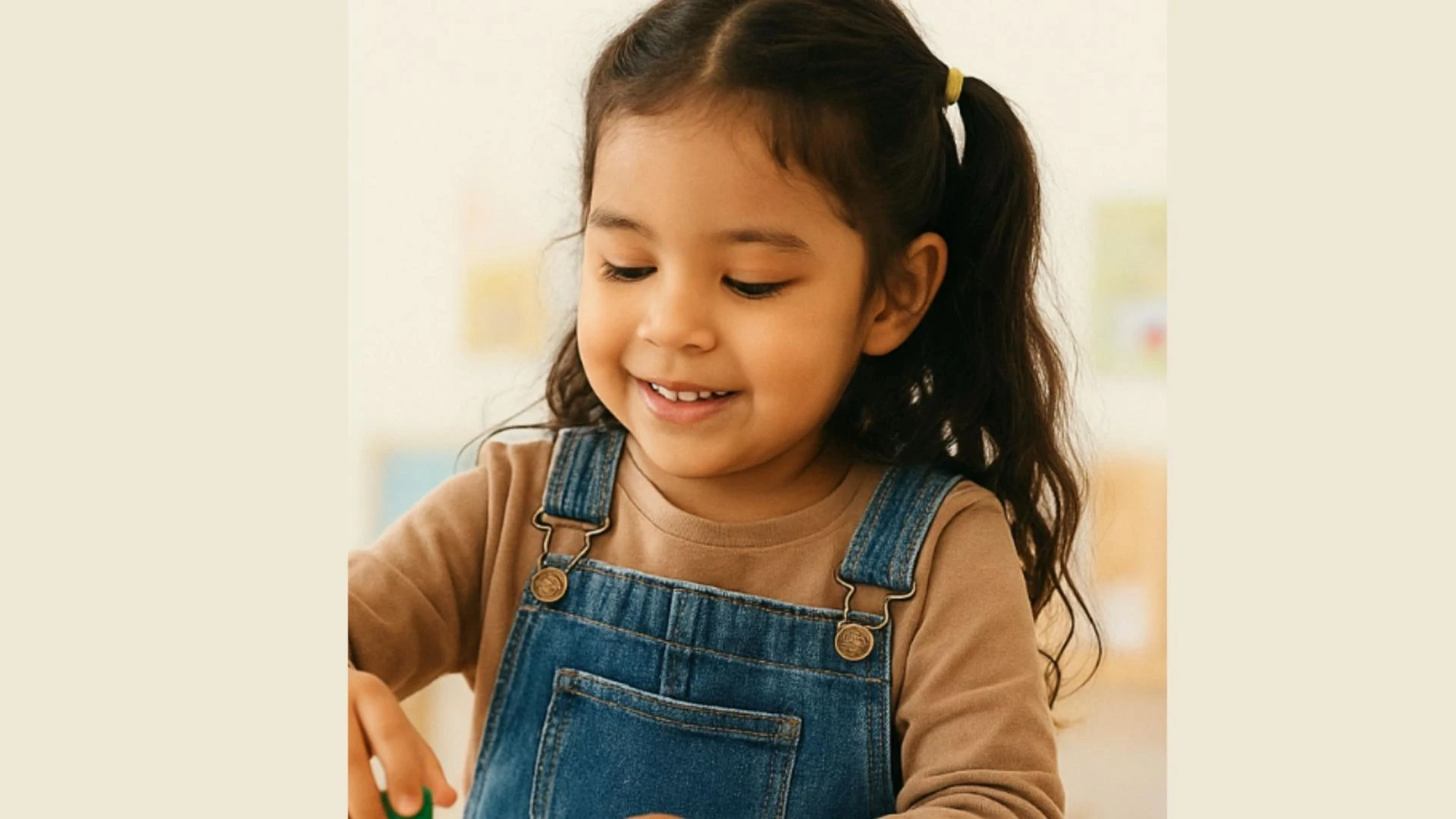
Introduction: Why Early Childhood Strategy Matters More Than Ever
Urban families today are making one of the most consequential decisions earlier than ever before: where structured learning truly begins. As Chicago continues to grow denser, more diverse, and more dynamic, the role of a high-performing early childhood center in Chicago has shifted from basic supervision to foundational development. Parents are no longer evaluating childcare purely on safety and convenience. They are asking deeper questions about cognition, emotional intelligence, and long-term readiness.
At the same time, the modern Chicago daycare preschool sits at the crossroads of care and curriculum. It must balance nurturing with structure, play with intention, and flexibility with rigor. This article explores how forward-looking early childhood models are quietly reshaping what readiness means, and why those choices have implications that extend well beyond the preschool years.
Early Childhood Is No Longer a Holding Pattern
For years, early childhood programs were viewed as transitional spaces, designed to occupy time until formal schooling began. That assumption no longer holds. Research in developmental psychology confirms that ages two through six represent the most neurologically active learning window humans experience.
A well-designed early childhood center in Chicago leverages this window intentionally. Learning is sequenced, scaffolded, and responsive rather than reactive. Emotional regulation, early literacy, numeracy, and social reasoning are integrated into daily routines instead of isolated lessons.
This shift reframes daycare as a formative platform rather than a passive service.
The Hybrid Model: Where Care Meets Cognitive Design
One defining feature of a high-performing Chicago daycare preschool is its ability to operate as a hybrid environment. Children need emotional security before intellectual risk-taking becomes possible. Care creates the conditions under which learning can occur, but learning gives care its long-term value.
Modern programs structure their day around predictable rhythms rather than rigid schedules. This allows children to develop trust in their environment while remaining open to discovery. Educators observe, adapt, and extend learning moments as they arise rather than forcing uniform outcomes.
The result is an atmosphere that feels calm, purposeful, and quietly ambitious.
Curriculum That Responds Instead of Repeats
The most effective early childhood programs share a common trait. They treat curriculum as a living framework rather than a fixed script. In practice, this means educators adjust instruction based on developmental readiness rather than calendar milestones.
Within an early childhood center in Chicago, this responsiveness is particularly important due to cultural, linguistic, and experiential diversity. Children arrive with different strengths, perspectives, and social norms. Adaptive curriculum design ensures these differences become assets rather than obstacles.
Key characteristics often include:
- Integrated literacy and numeracy through storytelling and exploration
- Hands-on problem-solving using real-world materials
- Reflection-based conversations that build metacognitive awareness
Learning becomes a dialogue, not a directive.
Social Intelligence as a Core Outcome
Academic readiness alone no longer defines success in early education. Employers, universities, and institutions consistently identify collaboration, empathy, and communication as critical future skills.
A well-run Chicago daycare preschool functions as a social laboratory. Children navigate peer dynamics, resolve conflicts, and practice leadership daily. Educators guide these moments thoughtfully, helping children articulate emotions and consider multiple perspectives.
These early experiences lay the groundwork for resilience and self-confidence. Children learn that mistakes are part of growth and that understanding others is a strength rather than a vulnerability.
The Role of Environment in Learning Retention
Physical space plays a surprisingly influential role in early learning. Light, movement, and sensory input all affect attention and emotional regulation. Leading programs design their environments as extensions of pedagogy.
https://fantasyislandschoolsforkids.com/childcare/https://fantasyislandschoolsforkids.com/childcare/
When children feel ownership over their learning space, engagement follows naturally.
Preparing Children for an Unpredictable Future
The future landscape children will inherit is characterized by rapid change, automation, and constant information flow. Early education must prepare learners not for specific answers but for adaptive thinking.
The most forward-thinking Chicago daycare preschool programs emphasize curiosity over compliance. Questions are welcomed, exploration is encouraged, and learning paths are flexible. Technology may evolve, but these human skills retain relevance across decades.
This is where early childhood education becomes quietly futuristic. It focuses less on content mastery and more on cognitive durability.
Families as Strategic Partners in Development
High-quality early childhood programs recognize parents as collaborators, not clients. Open communication, shared language around development, and transparency about learning goals strengthen outcomes.
An effective early childhood center in Chicago creates alignment between home and school environments. When families understand how and why children are learning, reinforcement becomes natural rather than forced.
This partnership model reduces anxiety for parents and builds consistency for children, creating a stable foundation during a critical developmental phase.
Measuring Success Beyond Checklists
Traditional metrics such as letter recognition or counting skills provide only a partial picture of readiness. Progressive programs evaluate success through broader indicators.
These often include:
- Emotional self-regulation and adaptability
- Curiosity-driven engagement
- Ability to collaborate and communicate effectively
Such outcomes are harder to quantify but far more predictive of long-term achievement.
Conclusion: Early Childhood as a Strategic Investment
Choosing the right Chicago daycare preschool is no longer a short-term logistical decision. It is a strategic investment in how a child learns to think, relate, and adapt. When early education is designed with intention, it shapes not only academic readiness but lifelong capacity.
The rise of the modern early childhood center in Chicago reflects a deeper understanding of human development. It recognizes that learning does not begin with textbooks or tests, but with trust, curiosity, and meaningful connection.
In a world that rewards adaptability over memorization, early childhood education may be the most future-oriented decision a family can make.