How Arrow Manufacturing Company Shapes Industry Trends
In the fast-paced industrial sector, new developments are driving businesses to adopt modern strategies that strengthen their capabilities and market relevance. One of the most significant discussions in 2025 revolves around Arrow Manufacturing Company, a name closely linked with reliability and efficiency in production solutions. As industries face heightened demand for precision and customization, manufacturers are seeking ways to blend traditional craftsmanship with modern technology to maintain their competitive edge.
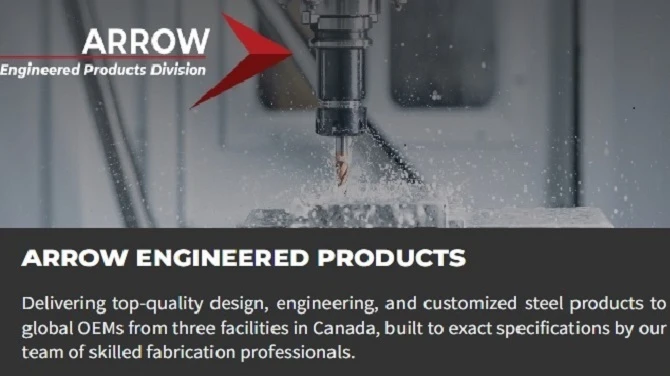
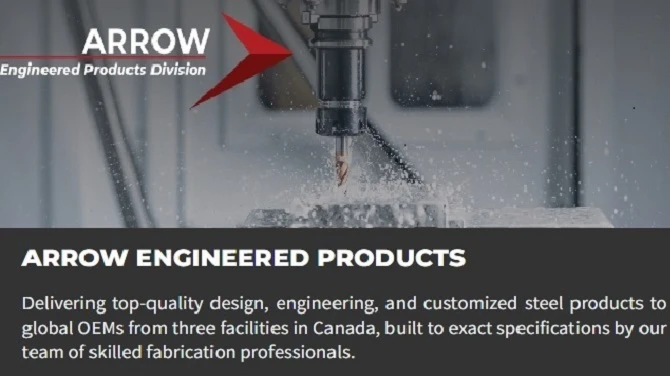
At the heart of this movement is the rise of OEM Fabrication, which continues to redefine how products are designed, engineered, and delivered to meet the evolving expectations of global markets. This process has become an essential pillar for organizations aiming to maintain cost-effectiveness while ensuring high-quality outcomes.
The Growing Role of OEM Fabrication in Modern Manufacturing
Today’s competitive environment requires manufacturers to do more than produce components; they must deliver complete solutions tailored to client specifications. OEM Fabrication stands out as a strategic approach that enables businesses to streamline operations while enhancing customization. From automotive applications to complex industrial machinery, the impact of this method extends across numerous sectors.
By embracing advanced technologies such as automation, robotics, and AI-driven processes, companies can unlock new levels of accuracy and productivity. This ensures that clients receive products that not only meet strict industry standards but also reflect innovative engineering. The growing integration of digital solutions with physical production has positioned OEM methods at the forefront of modern industrial evolution.
Arrow Manufacturing Company and the Shift Toward Sustainable Practices
Sustainability has become a defining factor in shaping the reputation and long-term success of businesses. Arrow Manufacturing Company exemplifies this shift by highlighting how forward-looking organizations are embedding eco-friendly practices into their operations. This includes adopting recyclable materials, minimizing waste during fabrication, and implementing energy-efficient technologies to reduce environmental impact.
The commitment to sustainability also aligns with rising consumer demand for ethical manufacturing. Clients are increasingly seeking partners that can balance performance with responsibility, ensuring that every project reflects both technological excellence and environmental care. By integrating these principles, manufacturers are not only meeting market requirements but also creating long-term value for their stakeholders.
What the Future Holds for OEM Fabrication
Looking ahead, the industry is set to experience groundbreaking transformations as OEM methods continue to evolve. Innovation in 3D printing, smart sensors, and digital twin technology will further accelerate the capabilities of OEM Fabrication. These advancements promise to reduce lead times, optimize supply chains, and enhance product life cycles, making them critical components of the future industrial landscape.
Moreover, as global supply chains become more interconnected, OEM solutions will play an increasingly pivotal role in ensuring resilience and adaptability. Businesses that embrace these trends will be better equipped to navigate challenges and seize opportunities in an ever-changing economic environment.