From Glamour to Ingredient Science: A New Chapter in Indian Beauty Marketing
In the bustling corridors of India's beauty industry, a seismic shift is underway. Rahul Shanker, General Manager of The Body Shop India, recently emphasized a transformation that transcends mere aesthetics: "Beauty marketing is turning serious and ingredient-led." This evolution reflects a broader global trend where consumers demand not just promises of glowing skin but clear, verifiable information about what goes into their products. The Body Shop, a pioneer in ethical beauty, has been at the forefront of this movement within India, pushing the envelope on transparency and authenticity.
To appreciate this paradigm shift, consider that in 2025, the Indian beauty and personal care market was valued at over $24 billion, growing at a compound annual growth rate (CAGR) of around 9%, according to industry estimates. Within this dynamic market, informed consumers—spurred by social media, wellness trends, and increasing environmental awareness—seek products that deliver tangible benefits backed by credible ingredients.
This article explores how the Indian beauty sector is embracing ingredient-led marketing, with Rahul Shanker and The Body Shop India exemplifying this shift. We unpack the history, the data, the current innovations of 2026, and what this means for the future of digital marketing in beauty. Along the way, we illuminate how ingredient transparency is not only reshaping consumer trust but also redefining brand narratives.
Tracing the Roots: How Ingredient Awareness Became Central in Indian Beauty Culture
The story of beauty marketing in India traditionally revolved around heritage, aspirational glamour, and celebrity endorsements. Brands leaned heavily on storytelling steeped in cultural motifs and emotional appeal. However, this approach began evolving in the late 2010s as global wellness trends trickled into India’s urban centers.
Consumers started scrutinizing product labels more closely. The rise of digital platforms like Instagram and YouTube empowered beauty enthusiasts and experts to demystify ingredient lists, spotlighting the benefits—and potential harms—of various compounds. This democratization of knowledge led to a demand for ingredient-led transparency, especially among millennials and Gen Z, who now make up the majority of beauty consumers.
Rahul Shanker points out that this is not merely a fleeting fad but a fundamental transformation:
“Consumers today want to understand the science behind what they apply. Beauty is no longer skin-deep; it’s about wellness and conscious choices.”The Body Shop’s legacy of ethical sourcing and cruelty-free products positioned it uniquely to capitalize on this shift, marrying its core values with modern ingredient-led marketing.
The Indian government’s regulatory landscape also played a role, tightening standards on labeling and claims, which pushed brands to adopt greater transparency. Furthermore, the pandemic accelerated digital adoption, making online platforms the primary touchpoint for product discovery and education. This intersection of consumer sophistication and stricter regulation set the stage for 2026’s ingredient-focused marketing strategies.
Data-Driven Insights: The Rise of Ingredient-Led Campaigns in 2026
Recent data reveals the tangible impact of ingredient transparency on consumer behavior and brand performance. According to a 2026 report by the Indian Beauty Association, 68% of consumers consider ingredient lists a deciding factor before purchasing skincare or cosmetics. Furthermore, 54% state that authenticity in ingredient sourcing influences their brand loyalty.
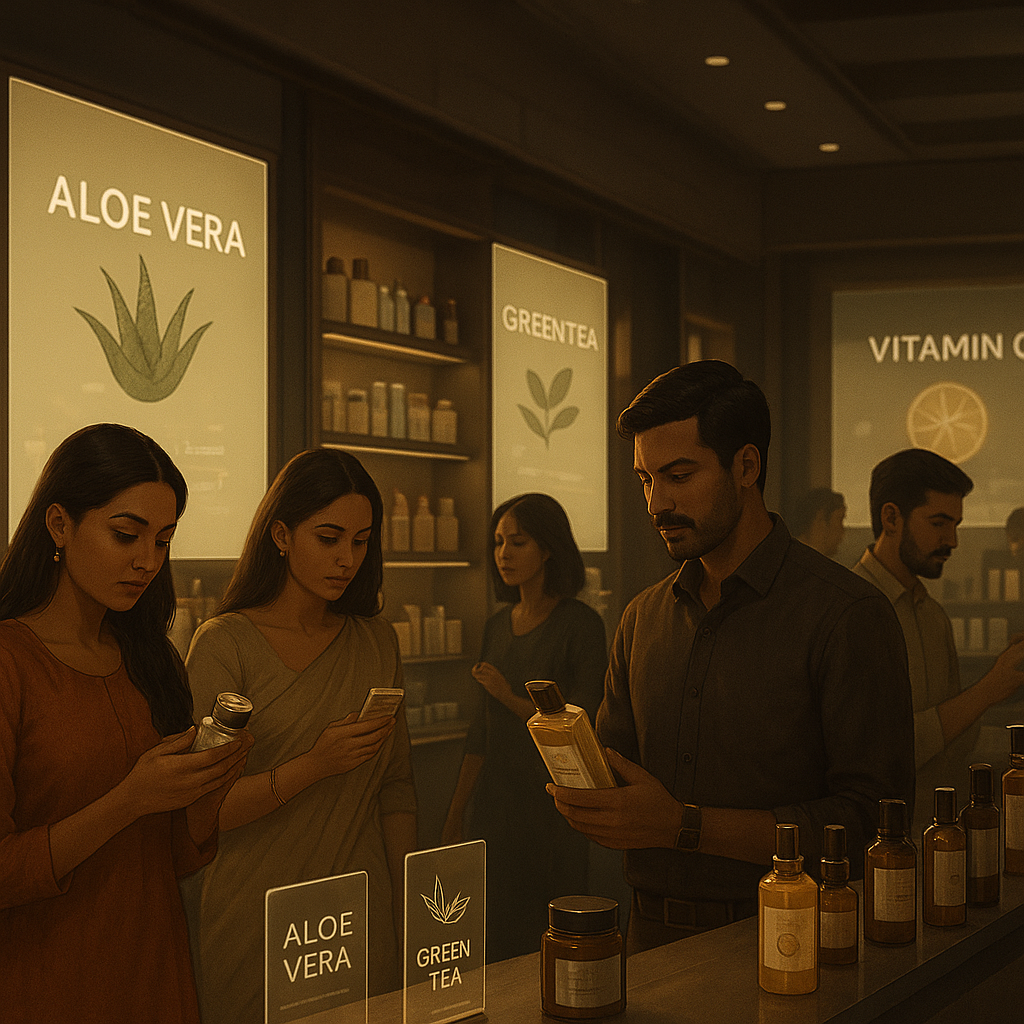
The Body Shop India's approach exemplifies these trends. By showcasing detailed ingredient sourcing stories—such as community trade shea butter from Ghana or ethically harvested tea tree oil from Australia—they create narratives that resonate deeply with consumers. This method offers a dual benefit: educating customers and reinforcing ethical branding.
"Our campaigns now integrate ingredient stories with digital storytelling, creating immersive experiences that build trust and engagement," Shanker notes.
Comparative data across major Indian beauty brands indicates that ingredient-led marketing correlates with higher engagement rates and improved conversion metrics on digital platforms. Brands emphasizing ingredient transparency report up to a 25% higher repeat purchase rate compared to those relying solely on traditional beauty messaging, according to market research by Mintel India.
Here is a closer look at key data points shaping this trend:
- Consumer Trust: 72% of respondents say ingredient transparency increases their trust in a brand.
- Digital Engagement: Ingredient-focused content receives 30% more shares and comments on social media.
- Purchase Influence: 60% of consumers have switched brands due to better ingredient information.
- Brand Loyalty: Brands with clear ingredient sourcing have a 20% higher customer retention rate.
This data underscores a profound shift: ingredient information is no longer a niche interest but a central pillar of competitive strategy in beauty marketing.
2026 Innovations: How The Body Shop India Leads with Ingredient-First Digital Marketing
In 2026, The Body Shop India has pioneered several ingredient-led marketing innovations that set new industry benchmarks. Leveraging advances in digital technology, the brand’s campaigns fuse science communication with immersive user experiences.
One key development is the use of augmented reality (AR) on e-commerce platforms. Customers can scan products to reveal detailed 3D ingredient maps, origin stories, and benefits. This interactive approach transforms passive browsing into engaging education, enhancing transparency and trust.
Moreover, The Body Shop India has integrated user-generated content into its ingredient campaigns, encouraging consumers to share their own experiences and ingredient preferences via social media hashtags and community forums. This fosters a participatory culture, building brand advocates who value transparency.
Rahul Shanker highlights the importance of data analytics in fine-tuning these campaigns: "We analyze engagement metrics and consumer feedback to continuously refine how we present ingredient information, ensuring it meets evolving expectations." This iterative approach aligns with broader digital marketing trends, as seen in evolving SEO strategies covered in TheOmniBuzz’s article SEO in 2026: Evolving Strategies for Digital Marketing Success.
Alongside technological innovation, The Body Shop India maintains its commitment to ethical ingredient sourcing, partnering with local communities to ensure sustainability and fair trade. This adds authenticity to marketing narratives, distinguishing the brand in a crowded market.
- Key 2026 Ingredient Marketing Innovations:
- AR-enabled product ingredient exploration
- Community-driven content campaigns
- Real-time data analytics to personalize ingredient messaging
- Integration of ethical sourcing stories in digital narratives
These developments demonstrate how ingredient-led marketing is no longer just about listing components but crafting a holistic consumer experience rooted in transparency and trust.
Industry Voices: Rahul Shanker and the Broader Impact on Digital Marketing in Beauty
Rahul Shanker’s insights reflect a broader industry awakening to ingredient-led marketing’s power. Within India’s competitive beauty sector, brands that fail to embrace this approach risk obsolescence. Speaking at the 2026 India Beauty Summit, Shanker emphasized:
“Ingredient transparency is a cornerstone of credibility. It’s the bridge between brand promises and consumer reality.”
Industry analysts concur. According to a report by Frost & Sullivan, ingredient-focused marketing strategies are projected to influence over 60% of digital beauty campaigns by 2027. This shift is driving increased investment in content creation, influencer collaborations centered on ingredient education, and technology platforms that enable transparency.
The impact extends beyond marketing into product development, as brands prioritize clean, natural, and ethically sourced ingredients to meet consumer demands. This holistic alignment of product and marketing strategies enhances authenticity, a critical currency in digital trust.
Moreover, ingredient-led narratives complement AI-driven marketing automation tools, such as those discussed in the TheOmniBuzz article How Canva’s Dual Acquisitions Are Redefining AI-Driven Marketing Automation. These platforms enable brands to tailor ingredient messaging dynamically, optimizing customer engagement across channels.
Experts also note that ingredient transparency fosters inclusivity by addressing diverse consumer needs—such as sensitivities, allergies, and ethical preferences—thus broadening brand appeal and loyalty.
Looking Ahead: The Future of Ingredient-Led Beauty Marketing in India
As ingredient transparency cements its role in beauty marketing, brands like The Body Shop India are setting a blueprint for the future. The trajectory points toward increasingly personalized, data-driven, and immersive ingredient experiences that empower consumers to make conscious choices.
Key future trends to watch include:
- Hyper-Personalization: AI and machine learning will enable brands to deliver ingredient information tailored to individual skin types, concerns, and ethical values.
- Blockchain for Traceability: Enhanced ingredient provenance verification using blockchain technology will become mainstream, boosting trust.
- Regenerative Sourcing: Beyond sustainability, brands will invest in regenerative ingredient sourcing to restore ecosystems, aligning with growing environmental consciousness.
- Multi-Sensory Marketing: Integrating scent, texture, and visual ingredient stories through digital and physical channels to deepen consumer connection.
- Collaborative Communities: Expanding consumer participation in ingredient research, feedback, and co-creation to foster loyalty and innovation.
For marketers, the imperative is clear: ingredient-led strategies are not optional but essential for engaging India’s discerning beauty consumers. As Rahul Shanker reflects,
“The future belongs to brands that marry transparency with authenticity, using ingredients as a language of trust.”
This evolution also invites marketers to rethink their digital strategies holistically, integrating SEO best practices and AI automation to amplify ingredient narratives effectively, as outlined in TheOmniBuzz’s recent coverage.
In conclusion, the Indian beauty market’s embrace of ingredient transparency signals a maturation of consumer-brand relationships. The Body Shop India’s leadership illustrates how ingredient-led marketing can serve both ethical imperatives and commercial success, setting a powerful precedent for the industry’s future.