Introducing a New Era: When Beauty Marketing Turns Serious
April 2026 marks a pivotal moment in the Indian beauty sector, where marketing narratives have dramatically shifted from glamour and celebrity endorsements to a rigorous, ingredient-led approach. Rahul Shanker, Marketing Head at The Body Shop India, succinctly captures this transformation: “Consumers no longer want to be dazzled by vague promises. They demand clarity, authenticity, and proven efficacy in every product.” This evolution of beauty marketing signals a serious recalibration of brand strategies, reflecting deeper consumer sophistication and a demand for transparency.
Consider the bustling markets of Mumbai or the tech-savvy consumers of Bengaluru—where beauty brands have begun foregrounding ingredient transparency and scientific validation as their core messaging. This shift is not merely a trend but a response to significant changes in consumer behavior and regulatory frameworks. As Shanker notes, “The emphasis on ingredients isn’t just a marketing tactic; it’s a commitment to ethical responsibility and consumer empowerment.”
“Consumers no longer want to be dazzled by vague promises. They demand clarity, authenticity, and proven efficacy in every product.” – Rahul Shanker, The Body Shop India
From Glamour to Science: The Background and Context of Ingredient-Led Marketing
Over the past decade, Indian beauty marketing was dominated by aspirational imagery and celebrity endorsements, often sidelining the product's actual composition. However, growing awareness about skincare health, the rise of digital platforms, and increasing exposure to global standards have shifted consumer expectations. According to industry estimates, over 65% of Indian beauty consumers now research ingredients before purchasing, a figure that has doubled since 2020.
The rise of social media influencers who specialize in skincare science and ingredient analysis has further democratized knowledge, compelling brands to adapt. Regulatory bodies like the Central Drugs Standard Control Organization (CDSCO) have introduced tighter labeling norms, mandating detailed ingredient disclosures. This regulatory push aligns with global movements encouraging ethical marketing and consumer protection.
In this context, The Body Shop India’s strategic pivot under Rahul Shanker reflects a broader industry trend. Their campaigns now emphasize ingredient stories—detailing sourcing, benefits, and scientific backing—rather than superficial allure. This approach builds trust and positions the brand as a credible source of wellness, not just beauty.
Decoding the Data: Core Analysis of Ingredient Transparency Impact
Data from market research firms reveals compelling evidence supporting the efficacy of ingredient-led marketing. A recent 2026 Nielsen survey found that 72% of Indian consumers are willing to pay a premium—up to 20% more—for products with transparent ingredient sourcing and ethical certifications. Additionally, 58% reported higher brand loyalty to companies that invest in ingredient education.
In comparative analysis, brands that have embraced ingredient transparency, such as The Body Shop India, Forest Essentials, and Kama Ayurveda, have outperformed rivals by 15-25% in revenue growth over the past two years. These brands leverage digital storytelling, interactive ingredient breakdowns, and partnerships with dermatologists to deepen consumer engagement.
- 72% of consumers willing to pay more for ingredient transparency (Nielsen, 2026)
- 58% show increased loyalty to ingredient-educated brands
- 15-25% revenue growth advantage for ingredient-led brands
Moreover, ingredient-led marketing reduces consumer skepticism, a crucial factor in an era rife with misinformation. Brands that provide verifiable scientific data and third-party certifications report a 30% reduction in return rates, underscoring increased consumer confidence. Rahul Shanker’s team at The Body Shop India integrates such scientific validation in their campaigns, enhancing credibility and purchase intent.
Current Developments in April 2026: The Indian Beauty Industry’s Ingredient-Led Shift
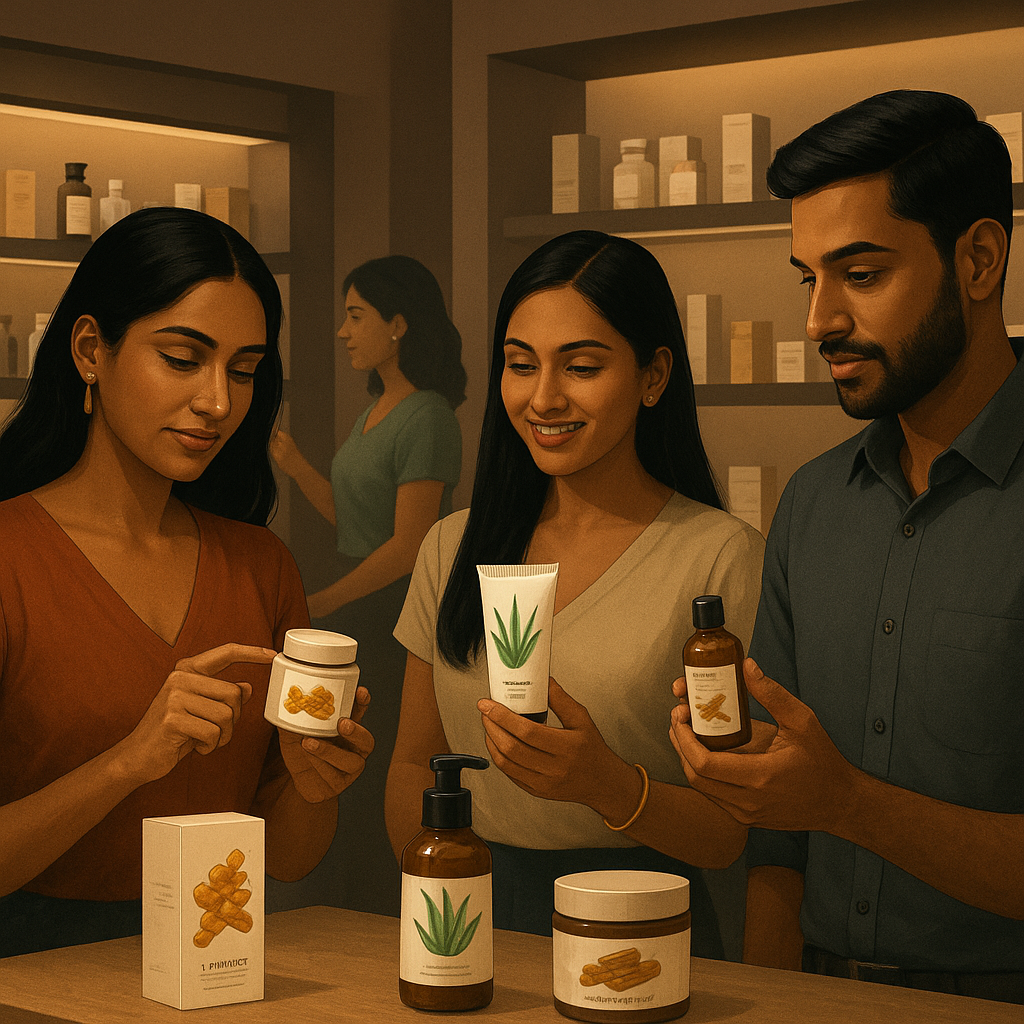
The year 2026 has witnessed accelerated adoption of ingredient-centric campaigns. The Body Shop India recently launched its “Ingredient Integrity” initiative, combining digital platforms with in-store experiences to educate consumers on the sourcing and benefits of natural extracts used in their products. This initiative leverages augmented reality (AR) filters that allow customers to visualize ingredient origins and their skin benefits in real-time.
Simultaneously, emerging startups are disrupting the market with personalized skincare formulations based on ingredient efficacy and skin DNA analysis. These technologies, once niche, are now mainstream, supported by a 40% increase in digital health and beauty app downloads since 2024. The trend aligns with broader consumer demands for customization and transparency.
Industry-wide, collaborations between beauty brands and scientific institutions have increased by 25%, facilitating evidence-based marketing. Rahul Shanker highlights that “such alliances help us not just tell but prove the story behind every ingredient, fostering deeper connections with Indian consumers.”
“Such alliances help us not just tell but prove the story behind every ingredient, fostering deeper connections with Indian consumers.” – Rahul Shanker, The Body Shop India
Expert Perspectives: Industry Impact and Marketing Evolution
Marketing experts emphasize that ingredient-led marketing in beauty is not merely a product focus but a holistic shift encompassing brand ethics, consumer education, and digital innovation. Dr. Meera Iyer, a leading beauty marketing consultant, observes, “This approach transforms the consumer-brand relationship from transactional to educational, building long-term loyalty.”
Rahul Shanker’s leadership at The Body Shop India showcases how ingredient-centric marketing can be a strategic differentiator. By aligning product development with transparent communication, the brand has tapped into a growing consumer segment that values authenticity over aesthetics. This approach also mitigates risks associated with regulatory scrutiny and social media backlash, which have increasingly penalized brands for misleading claims.
Furthermore, the move catalyzes industry-wide innovation. Brands are investing heavily in R&D to identify and validate novel ingredients with demonstrable benefits, supported by clinical trials and sustainability metrics. This scientific rigor enhances marketing narratives and meets the ethical demands of conscious consumers.
What to Watch: Future Outlook and Strategic Takeaways for Marketers
Looking ahead, ingredient-led beauty marketing in India is set to deepen, driven by evolving consumer expectations, regulatory frameworks, and technological advancements. Marketers must prioritize transparency, invest in scientific validation, and leverage immersive digital tools to engage increasingly savvy consumers.
- Elevate Ingredient Storytelling: Use multi-channel platforms to educate consumers on ingredient origins and benefits.
- Embrace Digital Innovation: Deploy AR, AI, and personalized tools to create interactive experiences around ingredients.
- Partner with Science: Collaborate with research institutions to validate claims and enhance credibility.
- Focus on Sustainability: Highlight ethical sourcing and environmental impact to align with consumer values.
- Enhance Regulatory Compliance: Ensure transparent labeling to build trust and avoid legal pitfalls.
Marketers can also explore the rich insights detailed in Why Ingredient Transparency Is Revolutionizing Beauty Marketing in India to deepen their understanding of consumer dynamics. Meanwhile, the evolving privacy landscape, as discussed in April 2026: Navigating the Evolving Landscape of Privacy in a Hyperconnected World, presents additional considerations for data-driven personalized marketing.
Case Study: The Body Shop India’s Ingredient Integrity Initiative
The Body Shop India’s recent “Ingredient Integrity” campaign exemplifies the ingredient-led marketing transformation. Launched in January 2026, the campaign integrates digital and physical touchpoints to demystify product formulations. Using AR-enabled mobile apps, consumers can scan product labels to access detailed ingredient sourcing stories, scientific benefits, and sustainability credentials.
This initiative resulted in a 35% increase in customer engagement on digital platforms and a 22% uplift in in-store sales within the first quarter. Importantly, customer feedback highlighted increased trust and satisfaction, with 78% of surveyed buyers affirming their purchase decisions were influenced by ingredient transparency.
The campaign also involved partnerships with local farmers supplying ethically sourced botanicals, reinforcing the brand’s commitment to sustainable sourcing. This approach not only differentiates The Body Shop India but also empowers rural communities, creating a virtuous cycle of ethical commerce.
- 35% increase in digital engagement post-campaign launch
- 22% rise in in-store sales in Q1 2026
- 78% of customers influenced by ingredient transparency
The success of this campaign underscores how ingredient-led marketing can simultaneously drive business performance and fulfill corporate social responsibility goals.
Ultimately, the shift towards ingredient transparency signifies a maturing Indian beauty market where consumers wield greater power and demand accountability. Rahul Shanker’s insights reflect a future where beauty marketing is not just about aesthetics but about integrity, science, and authentic consumer relationships.