
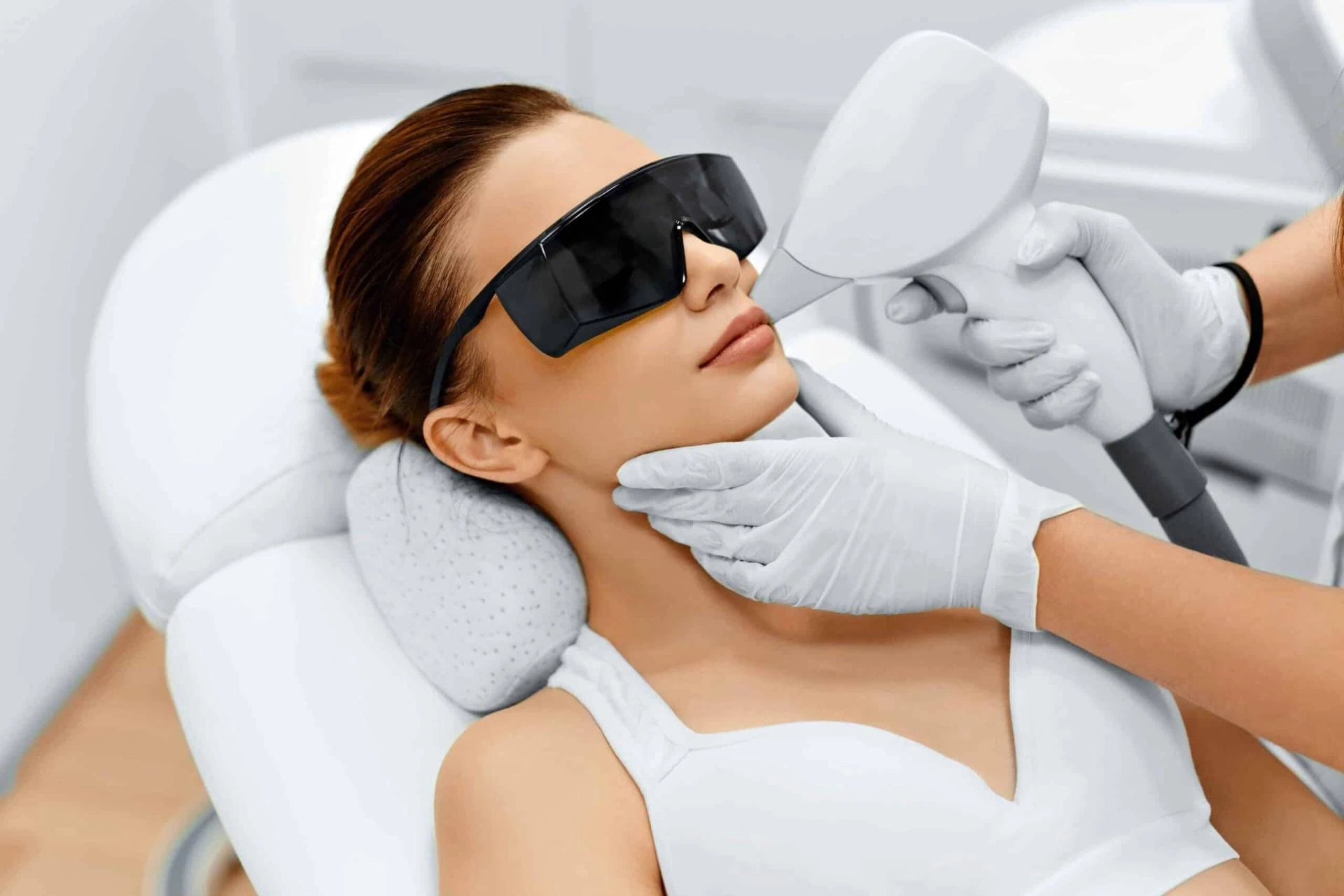
Laser hair removal has become one of the most trusted and efficient ways to manage unwanted hair. While shaving and waxing have dominated grooming routines for decades, more people are now choosing laser treatments because they offer longer-lasting results, smoother skin, and fewer repeated efforts. This guide explores how laser hair removal works, its benefits, preparation tips, aftercare, safety details, and why it has become a popular choice for long-term grooming.

Understanding the Basics of Laser Hair Removal
Laser hair removal uses targeted beams of light that focus on the pigment inside hair follicles. This light converts into heat and weakens the follicle over time. When the follicle becomes damaged, it can no longer produce hair at the same frequency or thickness. With repeated sessions, hair growth reduces significantly, giving the treated area a smoother appearance.
The technology used today is far more advanced than when laser treatments first appeared. Modern devices can adjust to various skin tones, hair types, and sensitivities, making the process safer and more accessible for a wide range of people.
How the Laser Technology Works
The science behind the process is simple but effective. Lasers target melanin, the pigment that gives hair its color. When the laser hits the follicle, the surrounding skin remains unaffected because the energy is designed to be selective.
Key steps in the process include:
- The laser beam identifies pigmented hair.
- Hair absorbs the light and converts it into heat.
- Heat disables the follicle’s ability to grow hair.
- With consistency, future hair growth becomes lighter, finer, or stops entirely.
This selective ability is what makes laser hair removal efficient and precise.
Why People Choose Laser Hair Removal
Although grooming habits vary from person to person, many individuals choose laser treatments because they solve problems that shaving and waxing often cause. Ingrown hairs, razor bumps, rough texture, and constant upkeep can be frustrating. Laser hair removal directly addresses these concerns.
Major reasons people switch to laser include:
Long-Term Reduction
Laser treatments slow hair growth significantly. Most people notice a major difference after a few sessions, and many enjoy long periods without noticeable hair regrowth.
Smoother Skin Texture
Shaving often causes irritation, and waxing can leave redness. Laser treatments, in contrast, gradually create smoother skin since the hair becomes thinner and less frequent.
Less Maintenance
Traditional hair removal methods require constant upkeep. Laser hair removal reduces the need for daily or weekly grooming, saving a considerable amount of time.
Fewer Ingrown Hairs
For those who struggle with ingrown hairs or razor bumps, laser treatments are often a welcome relief. The procedure weakens the follicle, making ingrowns less likely.
Suitable for Several Body Areas
Laser hair removal works on multiple parts of the body, including:
- Legs
- Underarms
- Back
- Chest
- Arms
- Face
- Bikini area
This versatility makes it ideal for full-body grooming plans.
Who Can Benefit from Laser Hair Removal?
Earlier laser technology was most effective for people with light skin and dark hair. Today’s advanced devices can treat many skin tones and hair colors more safely and effectively.
You may be a good candidate if:
- You want long-term hair reduction.
- You experience frequent irritation from shaving or waxing.
- Your hair is dark enough to absorb laser energy.
- You want smoother, even-toned skin with less maintenance.
However, individuals with very light blonde, gray, or red hair may see slower results since the pigment is harder for lasers to detect.
Proper Preparation Before Treatment
Preparing properly helps ensure you get the best results while keeping your skin safe.
Steps to follow before your session:
• Avoid Sun Exposure
Tanned or sunburned skin is more sensitive, which can make treatments uncomfortable or unsafe. Staying out of the sun for at least two weeks before your session is recommended.
• Shave the Area
A close shave removes hair on the surface but keeps the follicle intact, which helps the laser target it more accurately.
• Stop Waxing or Plucking
Waxing removes the follicle the laser needs to target. You should avoid waxing for about four weeks before treatment.
• Skip Strong Skincare Products
Exfoliants, retinoids, and other active products can increase sensitivity. It’s best to avoid them at least 48 hours before treatment.
• Discuss Any Medical Conditions
Your provider should know about skin issues, medications, or sensitivities to ensure safety.
What Happens During the Treatment Session
A typical laser session is straightforward and usually quicker than many first-time patients expect. The provider will clean the area, protect the eyes with safety goggles, and adjust the laser settings based on your skin and hair type. You may feel a warm or snapping sensation, but the discomfort is usually mild.
Length of a session:
- Upper lip: a few minutes
- Underarms: about 10 minutes
- Legs: 30 to 45 minutes
- Full body: 1.5 to 2 hours
Modern lasers often include cooling technology to reduce discomfort during the process.
Aftercare: Protecting Your Skin for Best Results
Taking care of the treated area is essential for healing and achieving smooth, even results.
Recommended aftercare steps:
• Avoid Sun Exposure
Your skin becomes more sensitive after treatment. Sunscreen is necessary for at least a few weeks.
• Skip Hot Showers and Saunas
High heat can irritate the skin, so stick to lukewarm water for the first 24 to 48 hours.
• Moisturize Gently
Use fragrance-free lotions to calm the skin and prevent dryness.
• Avoid Exfoliating
Let the skin rest before applying scrubs or chemical exfoliants.
• Do Not Wax or Pluck
Let shedding occur naturally. Hair may fall out over the next 1 to 3 weeks.
How Many Sessions Are Needed?
Hair grows in cycles, and laser treatments only work on follicles that are actively growing. Because of this, multiple sessions are necessary.
Typical treatment plan:
- 6 to 8 sessions spaced 4 to 6 weeks apart
- Additional maintenance sessions every 6 to 12 months for long-term results
Factors like skin tone, hair density, and hormonal conditions can affect the number of sessions needed.
Possible Side Effects and Safety Considerations
Laser hair removal is considered safe when performed by trained professionals using approved devices. Still, mild effects can occur.
Common but temporary side effects:
- Redness
- Mild swelling
- Warmth
- Temporary darkening or lightening of skin in sensitive areas
Choosing an experienced provider greatly reduces risks and improves your overall results.
Comparing Laser Hair Removal to Other Methods
Shaving
Fast but temporary; can cause irritation, cuts, and ingrowths.
Waxing
Removes hair from the root, but results last only a few weeks and can be painful.
Depilatory Creams
Chemical formulas dissolve hair but may irritate sensitive skin.
Laser Hair Removal
Provides long-lasting reduction, smoother texture, and less effort in the long run.
For people seeking efficiency and comfort, laser hair removal usually stands out as the most convenient option.
Why Laser Hair Removal Is a Long-Term Grooming Solution
The biggest advantage of laser hair removal is the transformation it brings to everyday grooming. Instead of shaving daily or booking frequent waxing appointments, you move toward a routine that requires far less upkeep. This makes it an excellent choice for people with busy schedules or anyone wanting a more polished result without repeated effort.
It also promotes long-term skin health by reducing irritation, bumps, and redness caused by other methods.
Final Thoughts
Laser hair removal is a smart investment for people looking for smooth skin, long-lasting results, and reduced daily grooming. With today’s technology, treatments are safer, faster, and more comfortable than ever. When performed by trained professionals at Expert One and paired with proper care, laser hair removal can significantly improve both appearance and confidence. Whether you want to target one small area or several body parts, this method offers convenience and long-term benefits that traditional hair removal options simply cannot match.