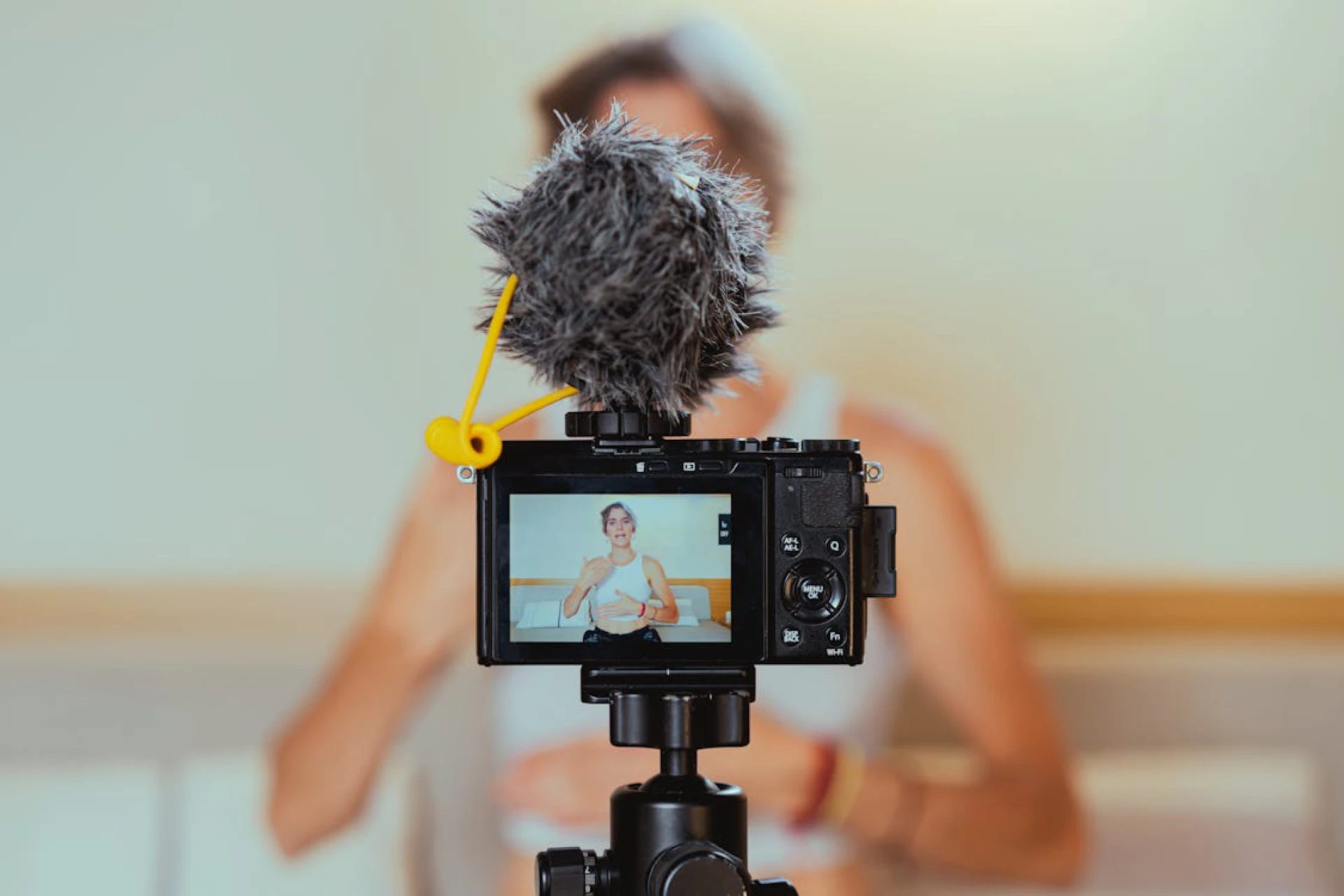
Social media influencers have built billion-dollar industries on the promise of a picture-perfect life. With flawless skin, curated aesthetics, and seemingly boundless energy, they promote the ultimate wellness lifestyle—detox teas, clean eating, luxurious vacations, and high-intensity workouts. But behind the filters and brand partnerships, a darker reality lurks—one of rampant substance abuse, mental health struggles, and an addiction to maintaining an unattainable image.
For their millions of followers, influencers represent an aspirational lifestyle, a vision of health, success, and happiness. However, many of these digital idols are selling an illusion rather than a sustainable reality. The pressure to maintain an image of perfection leads many influencers to turn to prescription stimulants, party drugs, or excessive cosmetic enhancements—all while preaching the virtues of a “healthy” lifestyle.
The Pressure to Perform: Wellness or Self-Destruction?
Influencers are, in essence, personal brands. Their value is tied directly to their appearance, energy, and engagement. Unlike traditional celebrities who have PR teams, managers, and controlled public appearances, influencers must maintain an ongoing, unrelenting presence. Every meal, workout, or skincare routine becomes content, feeding the algorithm and keeping followers engaged.
This pressure can quickly lead to burnout, anxiety, and depression—conditions often “treated” with Adderall, Xanax, or other prescription drugs. Some influencers rely on stimulants to keep up their productivity, while others turn to anti-anxiety medications to handle the crushing weight of public scrutiny. What’s worse, many downplay or completely deny their use of substances while continuing to preach a lifestyle of “pure wellness.”
This dishonesty not only perpetuates unrealistic standards but also normalizes hidden addiction. When influencers claim their energy and focus come from green juices and morning yoga rather than performance-enhancing drugs, they create an impossible ideal that many followers desperately try to chase.
The Dark Side of the Detox Culture
One of the biggest ironies in influencer culture is the obsession with “cleansing” the body. The wellness industry is flooded with detox teas, liver cleanses, and juice fasts, all claiming to rid the body of toxins and promote optimal health. However, many influencers pushing these products engage in extreme behaviors that are far more damaging to their bodies than the toxins they claim to eliminate.
The use of drugs like cocaine and amphetamines, often hidden behind closed doors, contradicts the public facade of clean eating and mindful living. Meanwhile, the diet culture promoted by influencers encourages eating disorders disguised as “discipline.” Many influencers who swear by intermittent fasting or raw diets are, in reality, starving themselves to maintain an unattainable physique.
The Epidemic of Cosmetic Enhancement and Drug Dependency
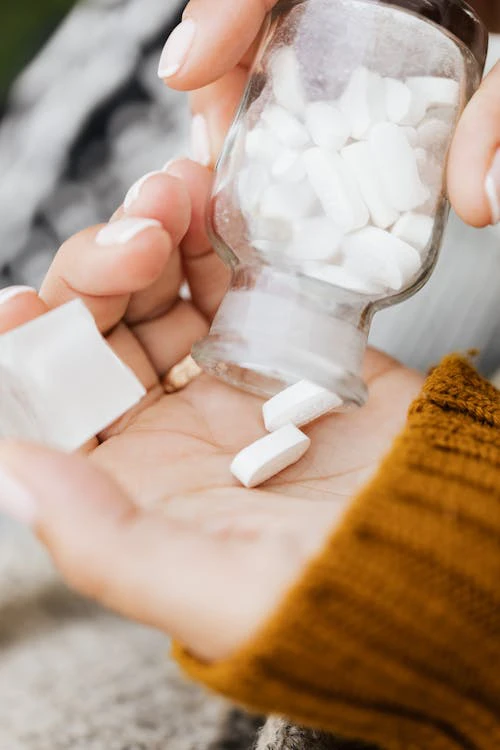
While influencers often attribute their sculpted bodies and youthful looks to workout regimens and organic eating, many undergo extensive cosmetic procedures and rely on substances to maintain their image. Botox, fillers, liposuction, and even plastic surgery have become the unspoken industry standard, yet few influencers openly discuss these enhancements. Instead, they credit their flawless appearance to skincare routines and “clean living,” fueling the dangerous myth that perfection is natural and achievable without intervention.
The fitness influencer space is especially notorious for steroid use. Many male influencers promoting intense weightlifting programs and natural supplements secretly rely on performance-enhancing drugs to achieve their muscular physiques. On the other end, female influencers often rely on Ozempic, Adderall, or extreme dieting to achieve their slim figures, all while crediting their bodies to pilates and portion control.
The Impact on Followers: A Culture of Deception and Disillusionment
The influence of these false narratives extends far beyond the influencers themselves. Vulnerable followers—especially young people—internalize these unrealistic beauty and wellness standards, often leading to body image issues, disordered eating, and mental health struggles. The curated, picture-perfect lives of influencers create a sense of inadequacy in their audiences, leading many to feel as if they’re failing at wellness simply because they can’t achieve the same results.
The dangers go beyond self-esteem issues. Followers looking for a shortcut to an influencer’s seemingly effortless lifestyle may turn to stimulant drugs, extreme diets, or unregulated wellness products in a desperate bid to emulate their idols. The result? A generation increasingly struggling with disordered eating, prescription drug dependency, and a toxic relationship with their own bodies.
While many influencers continue to uphold the illusion of perfection, some have broken the silence about the industry’s dark side. Several former influencers have spoken out about their past struggles with addiction, prescription drug abuse, and the immense pressure to maintain an idealized image.
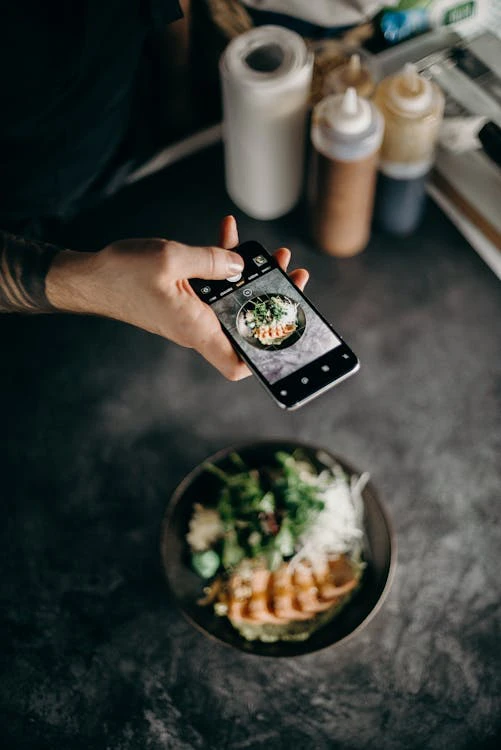
One notable case is that of fitness influencer Brittany Dawn, who was exposed for misleading her followers with fake meal plans and unrealistic body transformations.
However, these moments of honesty are still rare. The influencer economy thrives on perfection, and admitting to drug use, eating disorders, or cosmetic enhancements can lead to backlash, lost sponsorships, and a damaged personal brand.
Breaking the Cycle: A Call for Transparency and Accountability
As consumers of social media content, we must demand greater transparency from influencers and hold the wellness industry accountable for perpetuating unrealistic ideals.
1. Encourage Honesty: Influencers who admit to cosmetic enhancements, mental health struggles, and the realities of their wellness journeys set a positive example for followers. Transparency should be rewarded, not penalized.
2. Challenge Unrealistic Beauty Standards: Brands should prioritize partnering with influencers who promote holistic, realistic wellness rather than unattainable perfection.
3. Educate Followers on Media Literacy: Young social media users should be taught to recognize curated content versus reality, helping them navigate influencer culture without falling into comparison traps.
4. Promote True Wellness Over Aesthetics: Real health and wellness should focus on balanced lifestyles, mental well-being, and sustainable habits—not extreme dieting, over-exercising, or quick-fix solutions.
Finding Real Support: Overcoming Addictions LLC Can Help
If you or someone you know is struggling with addiction, substance use, or the pressure of maintaining an unrealistic lifestyle, know that help is available. Overcoming Addictions LLC provides compassionate, professional mental health therapy and substance abuse treatment, offering personalized treatment plans tailored to individual needs.
Whether you're facing prescription drug dependency, stimulant abuse, or the mental health struggles that come with the influencer-driven wellness industry, Overcoming Addictions LLC is here to guide you toward genuine recovery. True wellness isn't about appearances—it’s about health, balance, and freedom from harmful cycles.
Visit Overcoming Addictions LLC today to take the first step toward real healing and holistic addiction treatment. Reach out to them for more details.