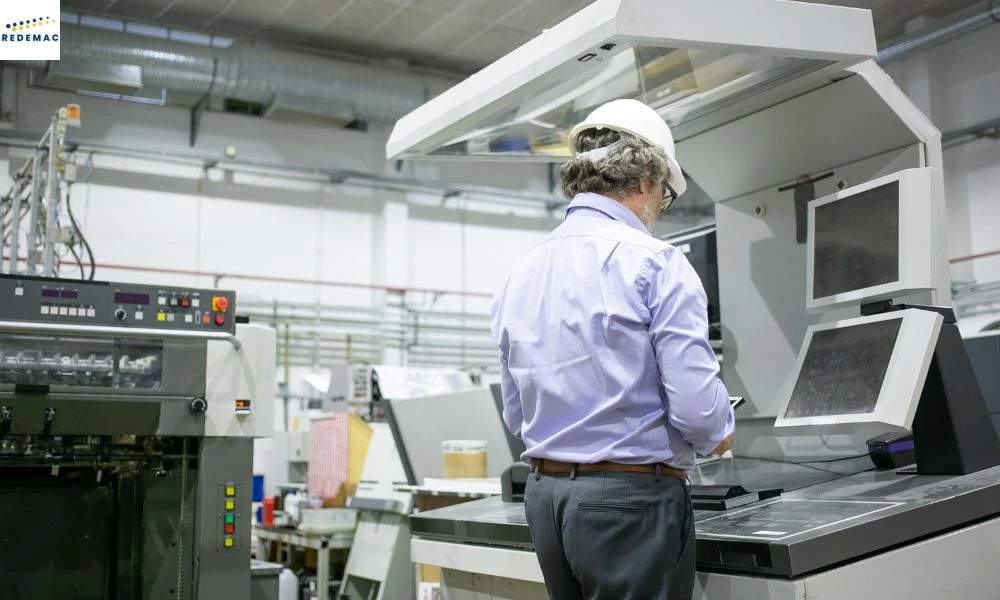
In today’s fast moving manufacturing and packaging environment, accurate and reliable printing is no longer optional. From product identification to compliance labeling and branding, industrial printers play a critical role across production lines. Businesses across food, beverage, pharmaceuticals, electronics, and logistics depend on advanced printing technology to keep operations smooth and efficient. Choosing the right industrial printer helps improve productivity, reduce errors, and maintain consistent quality across every stage of production.
Industrial printing equipment is designed to handle high volume output, harsh environments, and continuous operation. Unlike standard office printers, these systems are built for durability, precision, and integration with automated workflows. A trusted industrial equipment supplier can help businesses select solutions that meet both current production demands and future growth plans.
Understanding Industrial Printing in Modern Production
Industrial printers are used for marking, coding, and labeling products directly on the production line. These systems print barcodes, batch numbers, expiration dates, logos, and regulatory information at high speeds without slowing down operations. One of the most widely used solutions in manufacturing is Label Printers, which allow companies to create clear and durable labels for packaging, shipping, and inventory management.
Label printers work seamlessly with a labeling machine to apply labels accurately on bottles, cartons, pouches, and boxes. When paired with inter label systems, businesses gain better control over traceability and compliance. These solutions are especially valuable in industries where accuracy and consistency are essential, such as food packaging and pharmaceuticals.
Types of Industrial Printers and Their Applications
There are several types of industrial printers available, each designed for specific marking and labeling requirements. Understanding their applications helps businesses choose the right solution for their production line.
Industrial inkjet printers are among the most common options. They use non contact printing technology, making them ideal for high speed lines and uneven surfaces. These printers are widely used for date coding, lot numbers, and product identification.
Thermal transfer printers are often used in label printing applications where durability and print clarity are required. These systems are commonly integrated into labeling machines for packaging operations.
Pigment ink printers are preferred when long lasting and high contrast printing is required. Pigment based inks resist fading, moisture, and chemicals, making them suitable for outdoor storage and demanding environments.
The Role of Industrial Marking Systems
Industrial marking systems are designed to provide permanent and precise identification on products and packaging. These systems include inkjet, laser, and thermal technologies, each offering unique advantages. Ink based marking systems are flexible and cost effective, while laser systems provide permanent marks without consumables.
A well integrated industrial marking system improves traceability, supports regulatory compliance, and enhances brand presentation. Businesses that invest in reliable marking technology reduce rework, minimize waste, and maintain consistent production quality.
Why Automation Matters in Industrial Printing
Modern manufacturing relies heavily on automation to increase efficiency and reduce manual errors. Industrial printers are often part of larger industrial automation solutions that connect printing, labeling, and packaging processes into one streamlined workflow.
Automated systems allow printers to communicate with conveyors, sensors, and inspection tools. This ensures accurate placement, correct data printing, and real time monitoring. For businesses working with industrial supply companies, automation ready printing equipment offers long term scalability and better return on investment.
Choosing the Right Industrial Inkjet Printer
An industrial inkjet printer is a versatile solution for many production environments. These printers handle high speed printing while maintaining excellent print quality. An inkjet industrial printer can print on a wide range of materials including plastic, glass, metal, and cardboard.
When selecting an industrial inkjet printer, businesses should consider factors such as print resolution, ink compatibility, maintenance requirements, and integration with existing systems. Pigment ink printer options are especially useful for products exposed to sunlight, moisture, or chemical contact.
Working with an experienced industrial equipment supplier ensures that the chosen printer matches production speed, substrate type, and operational conditions.
Labeling Machines and Integrated Systems
Labeling machines play a vital role in packaging lines. They apply labels accurately and consistently, even at high speeds. When combined with industrial printers, labeling machines create a complete solution for product identification and branding.
Inter label systems help manage label data, design, and application across multiple production lines. These systems improve efficiency by reducing setup time and ensuring consistency across different products and batches.
A reliable packaging supply store can provide both labeling machines and compatible printers, making it easier to build a fully integrated solution.
Benefits of Working with the Right Supplier
Choosing the right partner is just as important as choosing the right equipment. Trusted industrial supply companies offer more than just products. They provide technical expertise, installation support, training, and long term service.
An experienced industrial equipment supplier understands the challenges of real world production environments. They help businesses select solutions that improve uptime, reduce maintenance costs, and support future expansion.
Industries That Rely on Industrial Printers
Industrial printers are used across a wide range of industries. Food and beverage manufacturers rely on them for date coding and compliance labeling. Pharmaceutical companies use them for traceability and safety information. Electronics manufacturers depend on precise marking for component identification. Logistics and warehousing operations use labeling systems to manage inventory and shipping.
No matter the industry, reliable printing equipment helps maintain accuracy, efficiency, and brand integrity.
Final Thoughts
Industrial printers are essential tools for modern production lines. From label printers and labeling machines to industrial inkjet printers and pigment ink solutions, the right equipment supports productivity and compliance at every stage. When combined with automation and supported by a trusted supplier, these systems become a powerful asset for long term growth.
If you are looking for reliable industrial printing solutions, Redemac offers a wide range of advanced equipment tailored to your production needs.
To learn more about industrial printers, labeling machines, and complete automation solutions, visit redemac or contact our team today. Our experts are ready to help you choose the right solution for your production line.
Frequently Asked Questions
1. What are industrial printers used for
Industrial printers are used for marking, coding, and labeling products on production lines, including barcodes, dates, and product information.
2. How do label printers support packaging operations
Label printers work with labeling machines to produce and apply accurate labels, improving traceability and brand presentation.
3. What is the advantage of an industrial inkjet printer
An industrial inkjet printer offers high speed, non contact printing and works on many surface types, making it ideal for fast production lines.
4. Are pigment ink printers suitable for harsh environments
Yes, pigment ink printers produce durable prints that resist moisture, chemicals, and fading.
5. Why should I buy from an industrial equipment supplier
A trusted industrial equipment supplier provides expert guidance, reliable products, and long term support for your production needs.