Modern industrial systems require accurate flow control, efficient automation, and reliable operational performance to maintain productivity and safety. One of the most important components supporting these requirements is the directional control valve. These valves play a critical role in controlling the movement and direction of fluids or compressed air within industrial systems.
Industries such as manufacturing, automation, construction equipment, packaging, automotive, and hydraulic machinery rely heavily on directional control valves for smooth and controlled operations.
Businesses searching for a trusted Directional Control Valve Manufacturer often focus on durability, operational precision, and long-term system efficiency. High-performance directional control valves are becoming increasingly important in modern industries because they help improve automation, reduce downtime, and support better machine performance.
Understanding Directional Control Valves
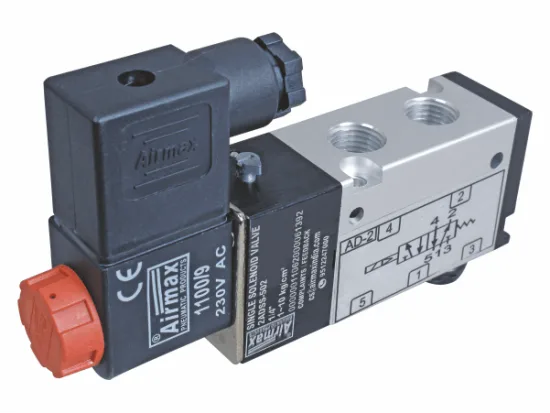
A directional control valve is a device designed to direct the flow of hydraulic fluid or compressed air within a system. It controls the path through which the fluid moves, allowing machinery and actuators to perform specific operational functions.
These valves can start, stop, change, or redirect fluid flow depending on the operational requirements of the system.
Directional control valves are available in different configurations and operating methods, including manual, pneumatic, hydraulic, and electrically operated systems.
Their ability to manage fluid direction accurately makes them essential components in industrial automation and machinery.
Importance in Industrial Automation
Industrial automation depends heavily on precise movement control and stable system operation. Directional control valves help automate machinery by accurately controlling the movement of fluids and pneumatic systems.
The valve’s ability to direct flow quickly and efficiently improves machine coordination and operational accuracy.
Some important automation advantages include:
- Accurate control of fluid and airflow direction
- Improved automation speed and system efficiency
- Better coordination of machine operations
These features help industries improve productivity while reducing manual intervention and operational errors.
Enhanced Operational Efficiency
High-performance directional control valves contribute directly to improved industrial efficiency.
Proper flow management helps machines operate smoothly while reducing pressure loss and unnecessary energy consumption. Efficient fluid control also supports faster response times and stable machine performance.
By improving system coordination and reducing operational interruptions, directional control valves help industries maintain continuous production processes.
Industries using automated systems particularly benefit from the improved operational stability provided by these valves.
Applications Across Different Industries
Directional control valves are widely used across multiple industries because of their versatility and reliable performance.
Manufacturing industries use them in automated machinery and industrial production lines. Hydraulic construction equipment also depends on directional valves for controlled movement and operational precision.
Automotive industries use directional control systems in assembly automation and pneumatic tools. Packaging industries rely on these valves for conveyor systems and machine control operations.
Their ability to support various industrial processes makes them highly valuable in modern automation systems.
Improved Safety and System Reliability
Industrial systems require reliable components to maintain safe working conditions and stable operations.
Directional control valves help improve safety by controlling the movement of hydraulic fluids and compressed air accurately. Proper flow control reduces the risk of sudden pressure changes, equipment malfunction, and operational instability.
Reliable valve operation also helps industries reduce system failures and maintain better control over automated machinery.
Safer and more stable operations contribute directly to improved workplace productivity and reduced maintenance risks.
Reduced Downtime and Maintenance Costs
Operational downtime can significantly affect industrial productivity and profitability. High-performance directional control valves help reduce downtime by providing reliable long-term operation.
Their durable construction and precision engineering minimize wear and operational failure. Reduced maintenance requirements help industries maintain continuous production with fewer interruptions.
Routine servicing and proper inspections are usually sufficient to maintain efficient valve performance over long periods.
Lower maintenance costs and improved operational continuity are among the major advantages of installing high-quality directional control valves.
Importance of Quality Manufacturing
The performance of a directional control valve depends greatly on manufacturing quality, material selection, and engineering precision.
High-quality valves provide smoother operation, better sealing performance, and improved pressure resistance. Proper manufacturing standards also help improve durability and long-term reliability.
Industries often prefer products developed under strict quality control systems because reliable components improve operational efficiency and automation performance.
Companies like Mark & Aira Trading LLC contribute to industrial automation solutions by supporting high-quality directional control valve technologies designed for modern industrial systems.
Role in Energy Efficiency
Modern industries are increasingly focusing on reducing energy consumption and improving system performance.
Directional control valves help optimize fluid and airflow management, reducing unnecessary energy loss within hydraulic and pneumatic systems.
Efficient flow control improves overall machine performance and helps industries lower operating costs over time.
Energy-efficient systems also support more sustainable industrial operations and better resource utilization.
Future of Directional Control Valve Technology
Industrial automation technology continues to evolve with advancements in smart manufacturing and intelligent control systems.
Modern directional control valves are now being integrated with advanced automation technologies, digital monitoring systems, and smart sensors that improve operational control and predictive maintenance.
Improved materials and advanced valve designs are also increasing durability, efficiency, and operational precision.
As industries continue investing in automation and intelligent machinery, directional control valves are expected to remain essential components for future industrial systems.
Conclusion
High-performance directional control valves provide several important industrial advantages, including improved automation, efficient flow management, better operational safety, and reduced downtime.
Their ability to control fluid and airflow accurately makes them essential for modern industrial systems and automated machinery. From manufacturing and packaging to construction equipment and hydraulic systems, directional control valves continue to support efficient and reliable industrial operations.
As industrial technology continues to evolve, these valves are expected to remain critical components for improving productivity, automation efficiency, and long-term system performance.