It is undisputed that resorts or other commercial properties benefit massively by providing recreation opportunities. With the hotel market in the US growing at a CAGR of over 7% each year, investing in recreational features like splash pads ensures your property stays competitive. Whether you walk into an indoor recreational area or love to enjoy the summer sun out in the open, splash pads have been the go-to option for facility owners who want to avoid the liabilities and risks of a traditional swimming pool.
Irrespective of the setting, when built indoors or out, aquatic play facilities share one mission: to bring people together through playful activities, imagination, and joy. The question is, which option best suits your space: an indoor setup or outdoor splash pads? Both settings create a sense of excitement and community. But when choosing what to build, factors like space, climate, budget, and maintenance all play a role.
Today’s commercial aquatic play solutions can be designed for either environment, blending creativity with smart engineering. And with modular, corrosion-resistant systems and vibrant themed equipment available, both indoor aquatic play areas and outdoor spray parks can become signature attractions for any property.
Understanding Indoor Water Play
Indoor water play brings the fun of aquatic spaces inside, turning everyday interiors into lively, weather-proof attractions. Whether it’s snowing outside or raining for days, families can still dive into play without waiting for summer or traveling far from home. These spaces are ideal for communities and resorts that want to offer year-round water-play fun.
Indoor Design Ideas
Inside these play areas, you’ll often find sprays, tipping buckets, aquadeks, and bubbling floor jets. Each element adds a sense of motion and discovery that keeps visitors engaged. Because everything happens indoors, the environment needs extra care, especially when it comes to ventilation and humidity management. Too much moisture can damage interiors or equipment, so modern designs rely on materials that can handle it with ease.
Cutting-Edge Materials That Last
High-quality fiberglass materials and modern plastics that resist corrosion are a popular choice. They don’t rust, they’re light to move and install, and they last for years even in damp conditions. Over time, that durability helps operators cut down on maintenance while keeping the equipment looking clean and inviting.
Pros of Building Indoors
One of the biggest advantages of building indoors is creative freedom. Designers can shape the layout to fit nearly any type of building: from small hotel recreation zones to sprawling family entertainment centers. Because lighting, temperature, and sound can all be adjusted, it’s possible to build an atmosphere that feels warm, safe, and exciting at the same time. The result is a playful environment where kids can splash and explore comfortably, no matter what’s happening outside.
The Appeal of Outdoor Recreation
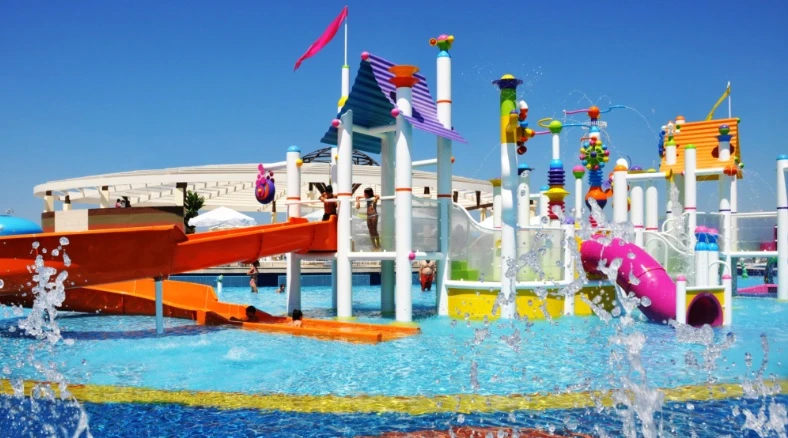
Outdoor splash pads, on the other hand, offer the open-air thrill of aquatic play under the sky. They have become essential attractions for parks, resorts, campgrounds, and community centers. With no standing water and features like self-contained recirculation systems, they combine safety with sustainability.
Conclusion
Indoor and outdoor splash pad facilities each have their own kind of magic. One brings year-round comfort and immersive design; the other captures the carefree joy of playing under open skies. The right choice depends on your vision, but either way, you’re creating a place where water, laughter, and design come together beautifully, a space that brings people closer.