Green walls are gaining significant popularity in both residential and commercial spaces, transforming dull walls into living, breathing pieces of art. Whether you're looking to enhance your workplace's aesthetics, improve indoor air quality, or introduce nature into your office, green walls can provide a wide range of benefits. But when it comes to choosing the right type of green wall — indoor or outdoor — the decision can be challenging. This article will help you navigate the key differences between indoor and outdoor green walls and provide insights on which one may be best suited for your needs.
What is a Green Wall?
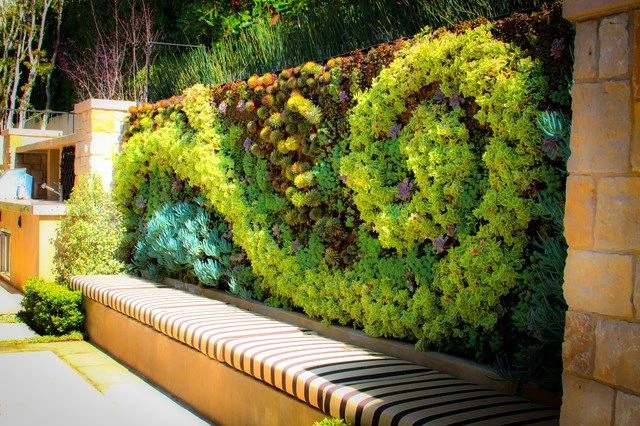
Before diving into the indoor vs. outdoor debate, it’s important to understand what a green wall is. A green wall, also known as a living wall, is a vertical garden installed on a structure. It involves growing plants on a vertical surface, whether it's an exterior wall or a dedicated interior space. These plants are either directly planted into the wall, using hydroponic systems, or are housed in modular containers that are fixed to the surface.
Green walls offer numerous advantages, including improving air quality, enhancing aesthetic appeal, reducing stress, and fostering a connection with nature. Ambius Australia is a leading provider of indoor plant solutions, offering a range of green wall systems that cater to both indoor and outdoor environments, ensuring that businesses can select the most appropriate solution for their unique needs.
Indoor Green Walls: Bringing Nature Indoors
Indoor green walls are designed to thrive in the controlled environment of interior spaces. These green walls are particularly well-suited for office buildings, hotels, hospitals, and shopping centres where enhancing the indoor atmosphere is essential. Here’s why you might consider installing an indoor green wall:
1. Air Quality Improvement
One of the most significant benefits of indoor green walls is their ability to improve indoor air quality. Indoor plants have been shown to absorb harmful pollutants like volatile organic compounds (VOCs), carbon dioxide, and particulate matter, making the air in offices and other commercial spaces cleaner and fresher. The UTS research-backed indoor plant solutions provided by Ambius Australia highlight the role of green walls in removing common indoor pollutants such as those from paints, furniture, and printers.
2. Aesthetic and Psychological Benefits
Indoor spaces can often feel cold or sterile. By incorporating a green wall, you bring natural beauty into the environment, which can enhance the mood of employees, customers, and visitors alike. Studies have found that exposure to plants reduces stress levels, boosts productivity, and improves overall well-being. Ambius Australia’s indoor green walls help create calming spaces that promote mental clarity and focus.
3. Space Efficiency
Indoor green walls are an excellent way to integrate greenery without taking up valuable floor space. This is particularly beneficial for businesses located in urban areas where real estate is at a premium. By utilising vertical space, you can add an element of nature without sacrificing essential space for desks, meetings, or other business functions.
4. Temperature Regulation
Plants are natural temperature regulators, absorbing heat and releasing moisture into the air, creating a more comfortable indoor environment. This is especially beneficial for office spaces with fluctuating temperatures or high energy consumption. Ambius Australia’s green walls help maintain optimal indoor climate conditions while reducing the need for artificial heating and cooling.
Outdoor Green Walls: Nature Meets Architecture
Outdoor green walls, often referred to as vertical gardens, are installed on the exterior of buildings and structures. These green walls are exposed to natural elements such as sunlight, rain, and wind. Here’s what makes outdoor green walls a great choice:
1. Environmental Benefits
Outdoor green walls have significant environmental benefits. They act as natural insulators for buildings, helping to reduce energy consumption by keeping interiors cool in the summer and warm in the winter. Additionally, they improve urban air quality by capturing pollutants and producing oxygen. Outdoor green walls also support biodiversity by providing habitats for various species of birds, insects, and other wildlife.
2. Enhanced Curb Appeal and Property Value
An outdoor green wall can transform a building's exterior, making it stand out and attract attention. This visual appeal can be particularly advantageous for businesses looking to create a positive first impression. In fact, well-maintained green walls have been known to increase property value and enhance a building’s overall aesthetic appeal, which is essential for high-profile offices, hotels, or retail stores.
3. Sustainability and Energy Efficiency
By covering a building’s exterior with a green wall, you create a natural barrier that reduces the heat island effect common in urban areas. The plants act as natural air conditioners, reducing the need for air conditioning and lowering energy costs. This aligns with sustainability goals and demonstrates your commitment to environmentally friendly practices. Ambius Australia’s green wall systems are designed with eco-friendly materials and maintenance solutions, contributing to long-term energy savings and sustainability.
4. Noise Reduction
Urban environments are often noisy, which can be distracting and stressful. Outdoor green walls can act as sound barriers, absorbing and deflecting noise from traffic, construction, and other external sources. This is particularly beneficial for businesses located near busy roads or in noisy city centres, as it helps create a more peaceful and productive atmosphere.
Key Differences Between Indoor and Outdoor Green Walls
Aspect
Indoor Green Walls
Outdoor Green Walls
Environment
Controlled indoor environment
Exposed to natural elements (sun, wind, rain)
Maintenance
Requires more frequent care and monitoring
Generally lower maintenance but depends on local climate
Air Quality
Helps improve indoor air quality by absorbing pollutants
Enhances outdoor air quality and reduces urban heat
Aesthetic Impact
Enhances office aesthetics and promotes well-being
Adds visual appeal to building exteriors
Energy Efficiency
Helps moderate indoor temperatures
Contributes to building insulation and reduces energy use
Space Efficiency
Ideal for limited space in urban environments
Requires significant external wall space
Which One is Right for You?
Choosing between indoor and outdoor green walls largely depends on your specific needs and goals. Here are some considerations to help guide your decision:
For Indoor Spaces: If you want to enhance the atmosphere of your workplace, improve air quality, and provide a stress-reducing environment for employees, an indoor green wall is an ideal choice. Ambius Australia’s indoor green wall systems are expertly designed to improve both the aesthetic and health aspects of your space.
For Outdoor Spaces: If you're aiming to boost curb appeal, reduce energy costs, or promote environmental sustainability, an outdoor green wall is the perfect solution. These walls not only beautify the exterior but also contribute to environmental conservation. Ambius Australia’s outdoor green wall solutions are tailored to suit various weather conditions and building types, ensuring long-term sustainability.
Conclusion
Whether you opt for an indoor or outdoor green wall, both options offer numerous benefits, from improving air quality to enhancing aesthetics and promoting sustainability. Ambius Australia provides high-quality green wall systems and maintenance services that cater to both indoor and outdoor spaces. By working with our experts, you can ensure that your green wall is installed and maintained to the highest standards, helping you achieve a healthier, more productive environment.
For more information on how Ambius Australia can transform your space with a bespoke green wall solution, contact our team today.