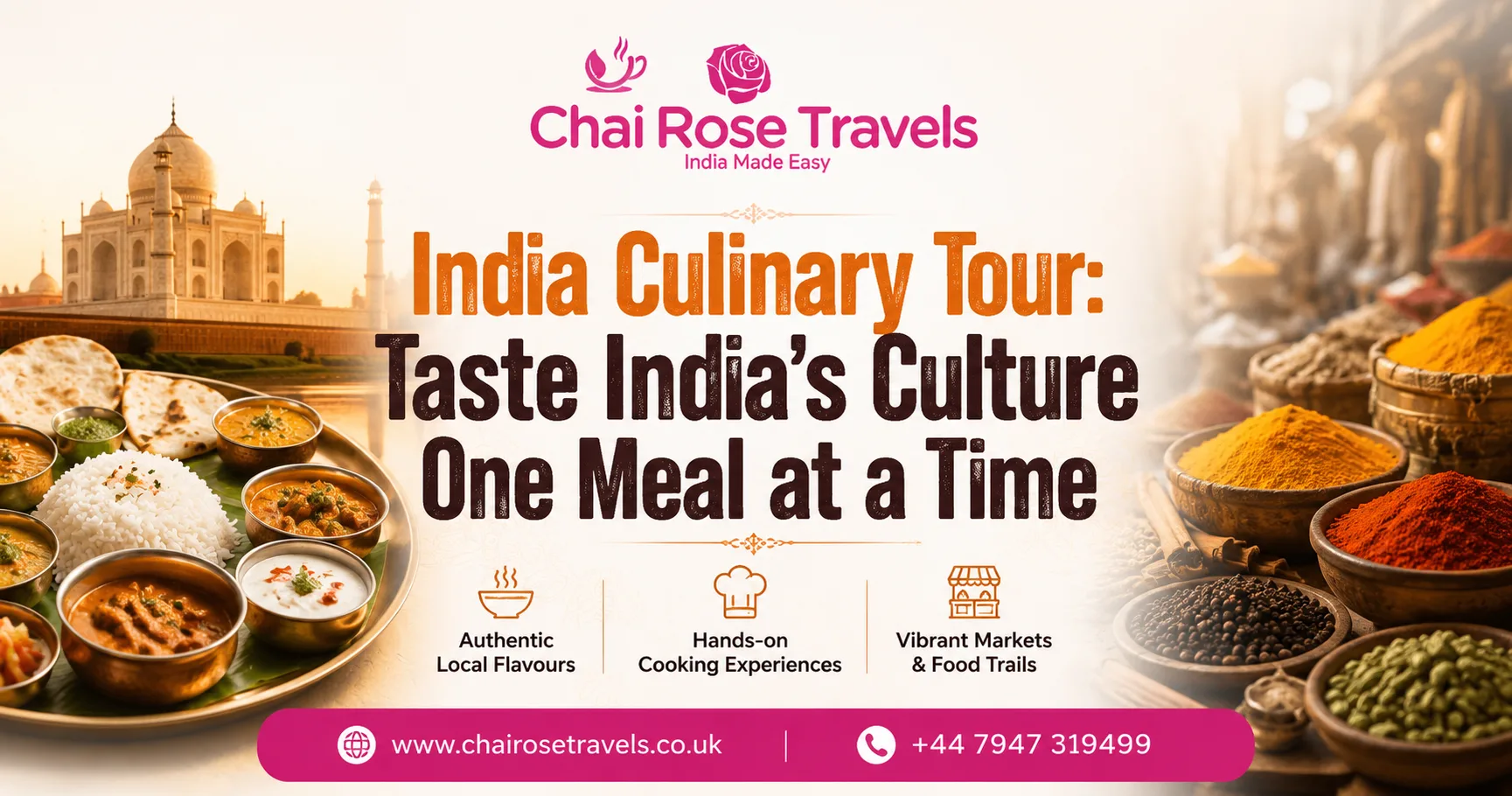
Food tells stories that monuments alone cannot. An India Culinary Tour takes you beyond famous landmarks and into family kitchens, busy street markets, traditional restaurants, spice farms, and local homes. Every region has its own cooking style, ingredients, and traditions that have evolved over hundreds of years.
If you enjoy trying new dishes, meeting local people, and learning about different cultures, this style of travel offers a rewarding experience. Rather than simply eating at tourist restaurants, you become part of India's rich food culture while exploring its famous cities and hidden gems.
Why Food Is the Best Way to Experience India
India is home to one of the world's most diverse food cultures. Every state brings something unique to the table, from fragrant curries in the north to coconut-rich dishes in the south.
Worth knowing: recipes often reflect local history, climate, religion, and farming traditions. That means every meal tells a different story.
Travelling through India with food as your guide helps you understand daily life. You visit spice markets, speak with local vendors, and discover how generations have preserved traditional cooking methods. These experiences create memories that last much longer than simply tasting a famous dish.
Regional Flavours That Make Every Stop Different
One of the biggest highlights of an India food journey is its regional variety.
Northern India offers rich curries, buttery breads, kebabs, and slow-cooked dishes influenced by royal kitchens.
Move west and you'll discover colourful vegetarian meals from Rajasthan and Gujarat that rely on spices rather than heavy sauces.
The south introduces lighter meals featuring rice, coconut, seafood, and tangy flavours. That's not all. Coastal regions serve fresh fish cooked with local herbs that vary from village to village.
Eastern India is famous for sweets, mustard-based recipes, and seafood, while central India combines tribal traditions with local ingredients rarely found elsewhere.
Every destination adds another layer to your culinary experience.
Explore Local Markets Like a Resident
Food markets are often the heart of every Indian city. They are filled with fresh vegetables, colourful spices, seasonal fruits, homemade snacks, and traditional sweets.
The catch? Visiting with local guidance makes a huge difference.
You'll learn how spices are selected, why certain ingredients are combined, and how families shop for everyday meals. It also becomes easier to discover hidden food stalls that many visitors would never find on their own.
These markets offer excellent opportunities to interact with local communities while gaining practical knowledge about Indian cooking.
Learn Traditional Cooking from Local Families
Many travellers remember cooking sessions more than restaurant meals.
Instead of watching from the sidelines, you help prepare authentic recipes using fresh ingredients and traditional techniques. Local hosts often explain family recipes that have been passed down for generations.
It adds up. By the end of the session, you've gained practical cooking skills that you can use at home.
Cooking experiences also create meaningful conversations. Sharing meals around a family table allows visitors to experience genuine Indian hospitality while learning about everyday customs and traditions.
Street Food Offers Authentic Local Flavours
Street food plays a major role in India's food culture. Every city has signature snacks that reflect local tastes and traditions.
Worth knowing: quality matters more than quantity when choosing street food. Experienced guides often recommend vendors known for hygiene, freshness, and consistent preparation.
Popular options may include crispy chaat, stuffed breads, spicy snacks, grilled treats, and refreshing drinks made with seasonal ingredients.
Trying carefully selected street food introduces travellers to flavours that rarely appear in international restaurants.
Food and Culture Always Go Together
Meals in India are closely connected with festivals, religion, family celebrations, and local customs.
That's not all. Many traditional recipes are prepared only during special occasions, making seasonal visits especially rewarding.
Travellers often witness community celebrations where food becomes a symbol of hospitality and togetherness. Regional festivals also showcase traditional sweets, breads, and festive dishes that represent local heritage.
Understanding these traditions adds cultural depth that ordinary sightseeing cannot provide.
Planning the Right Culinary Journey
A well-designed itinerary balances food experiences with sightseeing, relaxation, and cultural activities.
Many visitors combine historic cities with rural villages, tea plantations, spice gardens, heritage hotels, and cooking workshops. This creates a varied journey that avoids rushing from one location to another.
For travellers looking for expertly planned experiences, Chai Rose Travels offers carefully designed itineraries that blend authentic food experiences with cultural exploration across India's diverse regions.
Choosing experienced Indian tour operators in uk can also simplify planning, especially for travellers seeking customised holidays with local expertise and organised logistics.
Tips Before You Travel
Preparing well helps you enjoy every part of your journey.
Carry comfortable clothing suitable for different climates and walking tours. Stay hydrated throughout the day, especially when visiting warmer regions.
Worth knowing: keep an open mind when trying unfamiliar dishes. Some of the most memorable meals are often the ones you've never heard of before.
It's also helpful to inform your guide about any food allergies or dietary preferences before your trip begins. That allows local hosts to prepare suitable alternatives without compromising the experience.
Final Thoughts
An India Culinary Tour offers far more than great food. It opens the door to local traditions, family stories, regional history, and genuine cultural connections. Every market visit, shared meal, and cooking session reveals another side of India that many travellers never experience.
If you want a holiday that combines authentic cuisine with meaningful cultural discovery, a carefully planned culinary journey provides an unforgettable way to explore one of the world's richest food destinations. From bustling city markets to peaceful family kitchens, every stop leaves you with new flavours, lasting memories, and a deeper appreciation of India's remarkable diversity.
FAQs
What is included in an India Culinary Tour?
Most tours combine regional food tastings, cooking classes, market visits, sightseeing, cultural activities, accommodation, transport, and guidance from local experts. Specific inclusions vary depending on the itinerary.
Is an India Culinary Tour suitable for vegetarians?
Yes. India offers one of the world's largest varieties of vegetarian cuisine. Many regions specialise in vegetarian meals featuring fresh vegetables, lentils, grains, dairy products, and aromatic spices.
Are food tours safe for international travellers?
Yes, when organised by experienced operators who carefully select trusted restaurants, markets, and food vendors. Following local guidance also reduces common travel concerns.
How long should a culinary tour of India be?
A journey lasting 10 to 15 days allows travellers to explore several regions without feeling rushed. Shorter trips can focus on one or two destinations, while longer holidays provide a broader culinary experience.
Can beginners join cooking classes during the tour?
Absolutely. Most cooking sessions are designed for all skill levels. Local chefs and home cooks explain each step clearly, making the experience enjoyable even for first-time cooks.