In today’s fast-paced world, access to convenient and patient-centered healthcare is more important than ever. One service that has rapidly gained popularity is in-home blood draw services. Instead of traveling to a hospital, clinic, or laboratory, patients can now have professional blood collection performed in the comfort of their own homes. This innovative approach is transforming how individuals manage their health, particularly for seniors, busy professionals, post-surgery patients, and those with mobility challenges.

What Are In-Home Blood Draw Services?
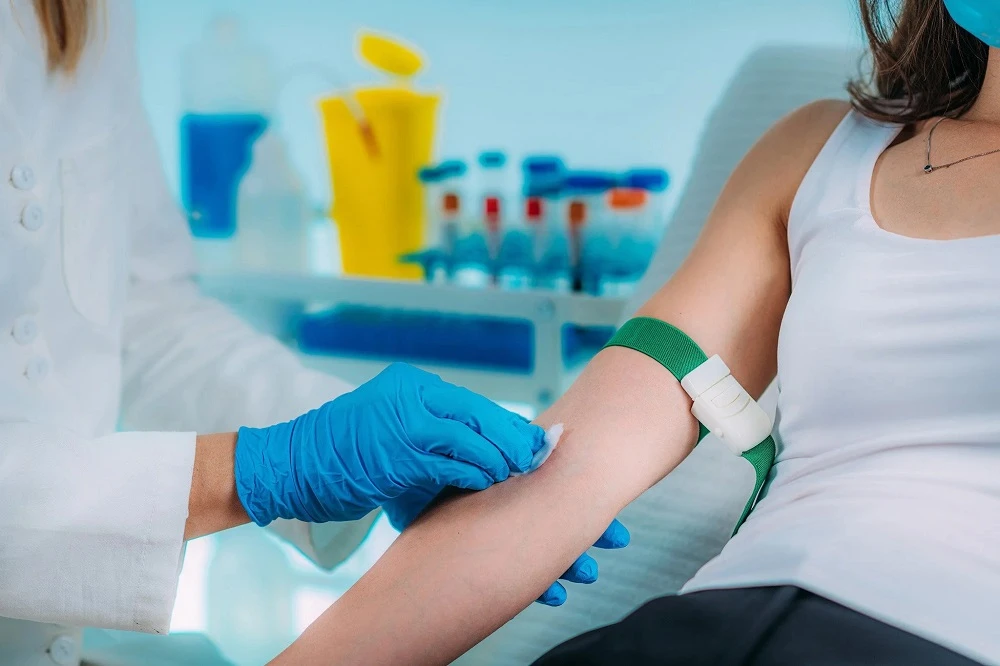
In-home blood draw services also known as mobile phlebotomy services allow licensed phlebotomists or healthcare professionals to visit a patient’s home to collect blood samples. These samples are then transported securely to a certified laboratory for analysis, following strict medical and safety protocols.
The process mirrors a traditional lab blood test but eliminates the need for patients to leave their homes. Services can be scheduled at flexible times, including early mornings, evenings, and sometimes weekends, making them highly accessible.
How In-Home Blood Draw Services Work
The process of using in-home blood draw services is straightforward and designed for patient convenience:
- Appointment Scheduling
- Patients book an appointment online or by phone, selecting a time and location that suits their needs.
- Preparation and Confirmation
- Before the visit, patients receive instructions on fasting requirements, hydration, or medication considerations.
- Home Visit by a Certified Phlebotomist
- A trained professional arrives at the patient’s home with sterile, single-use equipment.
- Blood Sample Collection
- The blood draw is performed safely and efficiently, following clinical best practices.
- Secure Sample Transport
- Samples are labeled and transported to an accredited laboratory for testing.
- Results Delivery
- Test results are sent directly to the patient’s physician or made available through a secure patient portal.
This seamless workflow ensures accuracy, safety, and compliance with healthcare regulations.
Key Benefits of In-Home Blood Draw Services
Convenience and Time Savings
One of the biggest advantages of in-home blood draw services is convenience. Patients no longer need to commute, wait in long lines, or rearrange work and family schedules. This is especially valuable for individuals with demanding jobs or caregivers managing multiple responsibilities.
Ideal for Seniors and Mobility-Challenged Patients
Elderly patients, individuals with disabilities, and those recovering from surgery often find it difficult to visit medical facilities. In-home blood draw services remove this barrier, allowing them to receive essential diagnostic testing without physical strain.
Reduced Exposure to Illness
Hospitals and clinics can expose patients to infectious diseases, particularly those with weakened immune systems. Home-based blood collection significantly reduces this risk by limiting contact with crowded healthcare environments.
Personalized and Comfortable Experience
Receiving care at home creates a calmer, more personalized experience. Patients are more relaxed in familiar surroundings, which can help reduce anxiety and even improve blood draw success rates.
Improved Compliance with Regular Testing
Patients who require frequent blood tests—such as those managing chronic conditions—are more likely to stay compliant when testing is easy and stress-free. In-home blood draw services encourage consistent health monitoring.
Who Can Benefit from In-Home Blood Draw Services?
In-home blood draw services are suitable for a wide range of patients, including:
- Seniors and elderly individuals
- Post-operative patients
- Patients with chronic conditions (diabetes, kidney disease, heart disease)
- Pregnant women requiring regular lab tests
- Busy professionals with limited time
- Patients with anxiety or fear of medical facilities
- Immunocompromised individuals
Healthcare providers and clinical research organizations also rely on these services for clinical trials and long-term patient monitoring.
Types of Tests Offered Through In-Home Blood Draw Services
Most routine and specialized blood tests can be performed at home, including:
- Complete Blood Count (CBC)
- Lipid panels
- Blood glucose and HbA1c tests
- Thyroid function tests
- Hormone panels
- Vitamin and mineral deficiency tests
- Kidney and liver function tests
- Pre- and post-surgical lab work
The availability of tests may vary depending on the provider and partnering laboratories.
Safety and Compliance Standards
A common concern is whether in-home blood draw services are as safe and accurate as traditional lab visits. Reputable providers follow strict medical standards, including:
- Licensed and certified phlebotomists
- Use of sterile, single-use equipment
- Proper sample labeling and handling
- Compliance with HIPAA and patient privacy regulations
- Secure and temperature-controlled sample transport
When provided by qualified professionals, home blood draws are just as reliable as clinic-based services.
In-Home Blood Draw Services vs. Traditional Lab Visits
Feature In-Home Blood Draw Services Traditional Lab Visits Location Patient’s home Clinic or hospital Convenience High Moderate to low Waiting time Minimal Often long Exposure risk Low Higher Personalization High Limited Scheduling flexibility Flexible Fixed hours
This comparison highlights why many patients are shifting toward home-based testing options.
The Role of Technology in In-Home Blood Draw Services
Technology plays a vital role in enhancing the efficiency of in-home blood draw services. Online booking systems, automated reminders, GPS-tracked phlebotomist dispatch, and secure digital result delivery streamline the entire process.
Additionally, integration with electronic health records (EHRs) allows healthcare providers to access results quickly, improving diagnosis and treatment decisions.
In-Home Blood Draw Services for Chronic Disease Management
Patients with chronic conditions often require frequent blood tests to monitor disease progression and treatment effectiveness. In-home blood draw services support long-term disease management by:
- Reducing missed appointments
- Enabling regular monitoring
- Enhancing patient comfort and trust
- Supporting coordinated care between providers
This model aligns with value-based healthcare, focusing on outcomes and patient satisfaction.
Cost and Insurance Coverage
The cost of in-home blood draw services varies based on location, urgency, and type of test. While home visits may have an additional convenience fee, many insurance providers, Medicare, and Medicaid plans cover mobile phlebotomy when medically necessary.
Patients are encouraged to check coverage details with both the service provider and their insurance company to understand potential out-of-pocket costs.
Choosing the Right In-Home Blood Draw Service Provider
When selecting a provider, consider the following factors:
- Certification and experience of phlebotomists
- Service area coverage
- Turnaround time for test results
- Partnerships with accredited laboratories
- Transparent pricing
- Positive patient reviews
A reputable provider ensures accuracy, safety, and a smooth patient experience.
The Future of In-Home Blood Draw Services
As healthcare continues to shift toward patient-centered and home-based care, in-home blood draw services are expected to grow rapidly. Advances in logistics, digital health, and remote patient monitoring will further expand their role in preventive care, diagnostics, and chronic disease management.
This trend reflects a broader movement toward making healthcare more accessible, efficient, and tailored to individual needs.
Conclusion
In-home blood draw services represent a modern, reliable, and patient-friendly alternative to traditional lab visits. By offering convenience, safety, and personalized care, they are reshaping how patients access essential diagnostic testing. Whether for seniors, busy professionals, or individuals managing chronic conditions, in-home blood draw services provide a smarter way to stay on top of health without leaving home.
As demand for flexible healthcare solutions continues to rise, in-home blood draw services are poised to become a standard component of high-quality medical care.