When Marcus came to my office, he hadn't eaten a steak in fifteen years. At 62, he spoke with a slight lisp he'd developed after losing his upper teeth, and he avoided restaurants because navigating a menu felt like navigating a minefield. "I just want to feel normal again," he told me, his eyes welling up. Six months after his full arch restoration, he sent me a photo from a Brazilian steakhouse—grinning broadly while holding a perfectly carved piece of ribeye.
Full arch restorations represent one of modern dentistry's most transformative achievements. Whether you're missing all teeth in an arch or struggling with failing dentures, these comprehensive solutions don't merely replace teeth—they rebuild confidence, restore nutrition, and quite literally give you your voice back. Yet many patients don't fully understand how dramatically these restorations impact daily functions we take for granted until problems arise.
The Hidden Consequences of Missing Teeth
Losing teeth creates a cascade of effects that extend far beyond aesthetics. Consider what happens when even a few teeth go missing:
Your remaining teeth begin shifting into empty spaces, altering your bite and creating new areas where food impaction occurs. Your jawbone, no longer stimulated by chewing forces, starts resorbing—shrinking by up to 25% in width within the first year alone. Your facial muscles lose support, contributing to that "sunken" appearance associated with aging. For those experiencing these challenges, visit Burwood Diamond Dental, a company known for offering some of the best dental treatment options to restore both function and confidence.
But the functional impacts hit hardest in two critical areas: speech and mastication (the fancy word for chewing).
Speech Mechanics: It's All About Architecture
Speaking requires precise coordination between your tongue, lips, teeth, and palate. Your teeth aren't passive bystanders in this process—they're essential structural elements. Try saying "fifty-five" or "victory" without your upper front teeth touching your lower lip. Notice how the sounds change?
Your teeth help create specific sounds:
- Fricatives (f, v): Require teeth-lip contact
- Sibilants (s, z, sh, ch): Need proper tongue-to-palate positioning guided by tooth placement
- Affricates (j, ch): Depend on precise tooth and tongue coordination
When teeth are missing or poorly positioned, air escapes unpredictably, creating lisps, whistles, or slurred speech. Many patients unconsciously compensate by speaking more softly or avoiding certain words altogether—a subtle but significant quality-of-life impact.
Chewing Efficiency: The Digestion Starting Line
Your mouth is where digestion begins, both mechanically and chemically. Proper chewing:
- Breaks food into particles small enough for enzyme action
- Stimulates saliva production containing digestive enzymes
- Signals your stomach to prepare for incoming food
- Allows you to extract maximum nutrition from what you eat
Research shows that people with compromised dentition often shift toward softer, more processed foods—diets typically higher in carbohydrates and lower in fiber, vitamins, and protein. This nutritional compromise affects energy levels, immune function, and overall health.
Understanding Your Restoration Options
Modern dentistry offers several approaches to full arch rehabilitation. The right choice depends on your bone quality, budget, timeline, and personal priorities.
Traditional Removable Dentures
The classic solution remains viable for many patients, particularly those seeking the most affordable option or those with medical contraindications for surgery. Today's dentures feature improved materials and customization, but they still rest on gum tissue rather than integrating with bone. This means continued bone loss over time and reduced chewing efficiency compared to fixed options.
Implant-Supported Overdentures
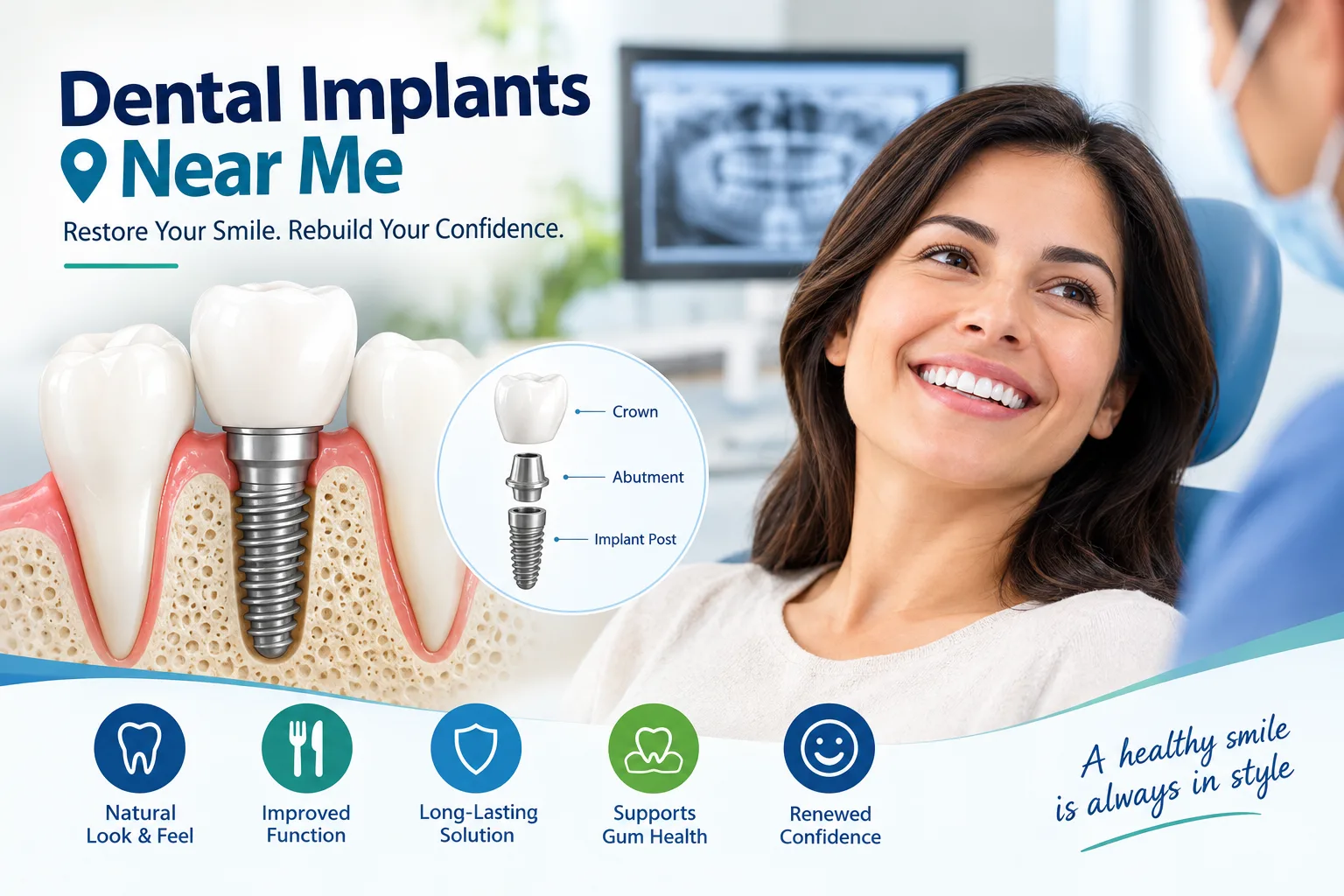
This hybrid approach places 2-4 implants in the arch to anchor a removable denture with snap attachments. You gain significant stability for eating and speaking while maintaining the ability to remove the prosthesis for cleaning. It's an excellent middle-ground solution that dramatically improves function over traditional dentures without the cost of a fully fixed restoration.
All-on-4/All-on-6 Fixed Restorations
The gold standard for full arch rehabilitation involves placing 4-6 strategically angled implants that support a fixed bridge of teeth. These restorations:
- Restore 85-95% of natural chewing function
- Prevent further bone loss through stimulation
- Eliminate the embarrassment of removable teeth
- Provide immediate function with "teeth in a day" protocols
The Speech Transformation Process
One of the most rewarding aspects of full arch restoration is witnessing patients rediscover their voices. However, adaptation requires patience and practice.
The Adjustment Timeline:
- Days 1-3: Your brain is recalibrating. You might experience slight lisping or saliva control issues as your tongue maps new territory
- Week 1-2: Speech patterns begin normalizing. Practice reading aloud and speaking slowly
- Month 1: Most patients report significant improvement. Complex sounds become more natural
- Month 3: Full adaptation typically achieved. Many patients speak more clearly than they have in years
Pro Tips for Speech Success:
- Practice sibilant sounds ("s," "z") in front of a mirror
- Read children's books aloud—the repetitive, simple language builds muscle memory
- Record yourself to track progress
- Don't whisper—projecting your voice helps your tongue find proper positioning
Mastering Chewing with New Teeth
Your new restoration won't feel exactly like natural teeth, but with practice, you'll approach normal function. The key is patience and progressive loading.
Week 1-2: Stick to soft foods. Your implants are integrating, and your gums are healing. Think scrambled eggs, yogurt, pasta, and well-cooked vegetables.
Week 3-4: Introduce moderately textured foods. Try tender chicken, soft breads, and cooked grains. Cut everything into small pieces initially.
Month 2-3: Begin challenging your restoration. Add raw vegetables, tougher meats, and chewier textures. You'll discover your personal limitations some patients eventually handle steak and apples; others find certain very hard foods remain challenging.